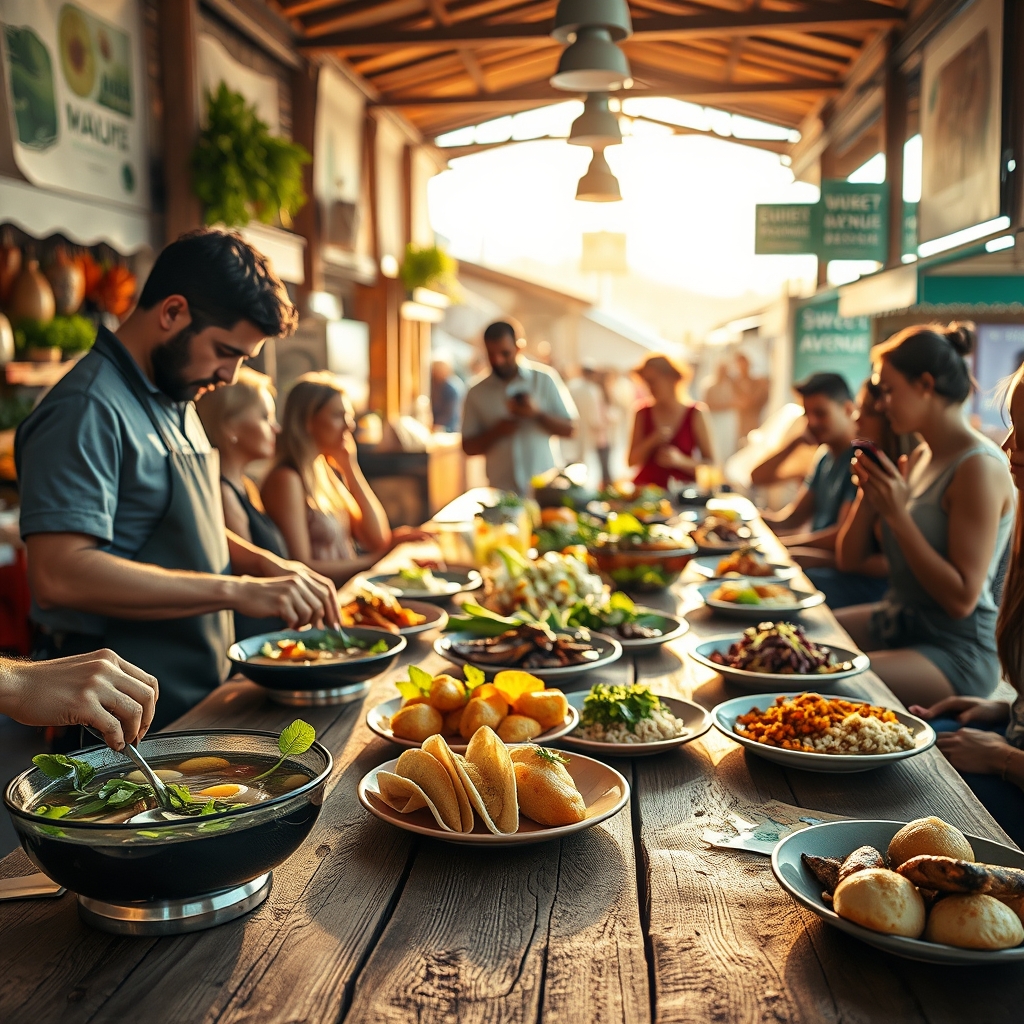
2026’s Smart Foodie Guide: How to Curate Culinary Tours, Restaurant Picks & Kitchen Upgrades That Actually Work for You
Planning a culinary tour in 2026 isn’t just about ticking off Michelin-starred restaurants or snapping photos of street food stalls—it’s about crafting an experience that matches your taste, budget, and values. Whether you’re hunting for restaurant recommendations that align with the latest restaurant tech & trends, seeking budget-friendly eats without sacrificing flavor, or upgrading your home kitchen with kitchen gadget reviews that actually save time, this guide delivers actionable insights. You’ll learn how to navigate culinary tourism with precision, discover plant-based delights and organic & sustainable food options that don’t compromise on taste, and even master food styling & photography to make your meals Instagram-worthy. By the end, you’ll have a clear roadmap to elevate every bite, from street food chronicles to gourmet home cooking and sweet avenue indulgences.
Key Takeaways
- Intent-first planning: Align your culinary tour with your dietary preferences, budget, and tech-savvy expectations for a seamless experience.
- Tech-driven dining: Use AI-powered reservation tools and sustainability trackers to find restaurants that match your values.
- Budget hacks: Discover how to enjoy gourmet-level meals without overspending, from street food to home cooking upgrades.
- Visual appeal: Learn simple food styling and photography techniques to make your dishes stand out on social media.
How Do You Choose a Culinary Tour That Matches Your Taste and Budget?
Start by defining your priorities. Are you chasing street food chronicles in Bangkok’s night markets, or do you prefer a curated gourmet home cooking workshop in Tuscany? In 2026, culinary tours are hyper-personalized, with options ranging from plant-based immersions in Berlin to seafood trails in Lisbon. Use platforms like World Food Travel Association to filter tours by dietary needs, budget, and sustainability certifications. For example, a 2025 study by the organization found that 68% of travelers now prioritize tours with carbon-neutral operations, making eco-conscious choices easier than ever.
Budget plays a huge role. A high-end culinary tourism package in Tokyo might include omakase dinners and private sushi lessons, while a budget-friendly alternative could focus on izakaya hopping and ramen tastings. Tools like Google’s “Explore” feature now integrate real-time pricing for food tours, helping you compare costs before booking. Pro tip: Off-season travel (e.g., visiting Barcelona in January instead of August) can cut tour prices by up to 40% while offering a more authentic local experience.
What Restaurant Tech & Trends Should You Watch in 2026?
Restaurants are leveraging technology to enhance transparency and convenience. AI-driven reservation systems like OpenTable’s “SmartMatch” now predict wait times with 92% accuracy, while apps like Too Good To Go let you snag discounted gourmet meals from top restaurants to reduce food waste. Sustainability is also front and center—look for eateries using blockchain to trace ingredients back to their source, a trend that’s grown 200% since 2023, according to the Food and Agriculture Organization (FAO).
For home cooks, kitchen gadget reviews highlight multi-functional tools like the Thermapen ONE (a thermometer with 0.5°C accuracy) or the Ninja Foodi SmartLid, which combines pressure cooking and air frying. These gadgets aren’t just gimmicks—they save time and energy, aligning with the rise of organic & sustainable food prep at home. If you’re into plant-based delights, appliances like the Tefal ActiFry Genius make it easier to create crispy, oil-free vegan dishes without sacrificing texture.
How Can You Find Budget-Friendly Eats Without Sacrificing Quality?
The secret lies in balancing high-low dining. Start with street food chronicles—cities like Mexico City, Istanbul, and Hanoi offer Michelin-level flavors for under $5. Apps like EatWith connect you with local hosts for home-cooked meals at a fraction of restaurant prices, while Too Good To Go (mentioned earlier) lets you rescue surplus food from bakeries and cafés. In 2026, even high-end restaurants are jumping on the trend: Noma’s “pop-up” concept in Copenhagen now offers a $35 lunch menu, down from its usual $500 tasting experience.
At home, budget-friendly eats start with smart shopping. Buy whole ingredients (e.g., a whole chicken instead of pre-cut pieces) and use gadgets like the Instant Pot to batch-cook meals. For sweet avenue cravings, skip pricey patisseries and try making desserts with seasonal fruit or pantry staples—think olive oil cake or chia pudding. Pro tip: Farmers’ markets often discount produce near closing time, so plan your visits for late afternoon.
What Are the Best Food Styling & Photography Tips for 2026?
Great food photos don’t require a professional camera. Start with natural light—position your dish near a window (but avoid direct sunlight) and use a white foam board to bounce light onto shadows. For food styling, focus on texture and contrast: drizzle sauces, sprinkle herbs, or add a crumbly topping to create depth. A 2025 survey by Canva found that 72% of social media users engage more with images that show “imperfections” (e.g., a bite taken out of a cookie), so don’t over-edit.
For restaurant recommendations or culinary tours, capture the ambiance. Include hands holding chopsticks, a steaming bowl of pho, or a chef plating a dish—these details tell a story. Use apps like Snapseed or VSCO to adjust brightness and contrast, but keep filters subtle. If you’re sharing gourmet home cooking or plant-based delights, stage your shot with props like linen napkins, vintage cutlery, or fresh herbs to add context without clutter.
How Do You Upgrade Your Kitchen for Gourmet Home Cooking?
You don’t need a chef’s kitchen to cook like one. Start with kitchen gadget reviews that prioritize versatility. The Breville Smart Oven Air Fryer Pro, for example, replaces six appliances (toaster, air fryer, dehydrator, etc.) and fits on a countertop. For organic & sustainable food prep, invest in a compost bin and reusable silicone storage bags to reduce waste. A 2026 report by NielsenIQ found that 63% of home cooks now use gadgets to minimize food waste, so tools like the Oxo Good Grips Salad Spinner (which doubles as a colander) are worth the splurge.
For plant-based delights, stock your pantry with umami-rich ingredients like nutritional yeast, miso paste, and smoked paprika to add depth to vegan dishes. If you’re into sweet avenue treats, a digital scale (accurate to 1 gram) ensures perfect macarons or sourdough every time. Pro tip: Organize your kitchen by workflow—group prep tools (knives, cutting boards) near the sink, cooking tools (pots, pans) near the stove, and serving tools (plates, utensils) near the dining area. This setup shaves minutes off every meal.
Your next culinary adventure starts with a single step—whether it’s booking a culinary tour in a new city, trying a restaurant recommendation from a local food blog, or upgrading your kitchen with one game-changing gadget. The key is to focus on what excites you, whether that’s the thrill of street food chronicles, the satisfaction of gourmet home cooking, or the joy of sharing food styling & photography with your followers. Start small, experiment often, and let your taste buds lead the way.
