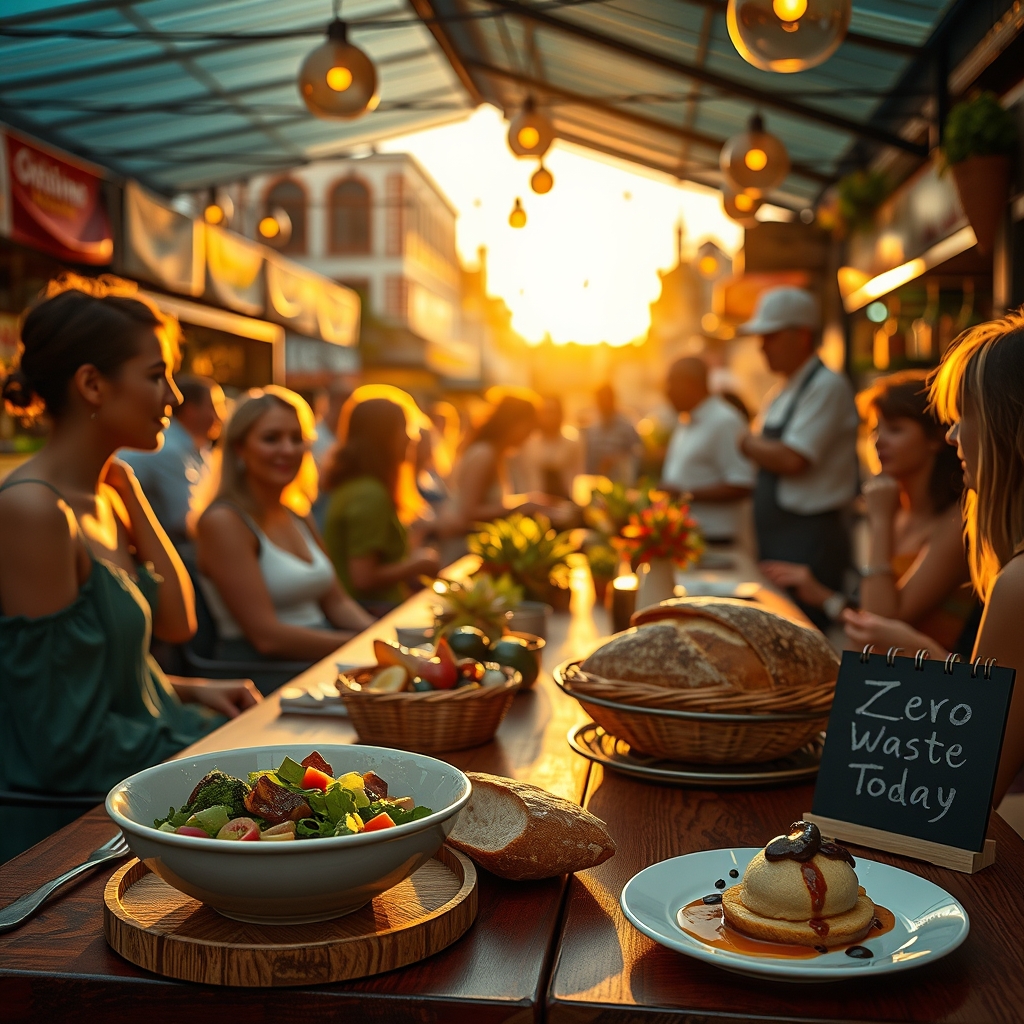
2026’s Ultimate Food Adventure: How to Eat, Cook, and Explore Like a Pro—From Street Food to Smart Kitchens and Sustainable Eats
Planning a culinary tour or refining your home cooking skills in 2026 means navigating a dynamic food landscape shaped by technology, sustainability, and bold flavors. Whether you’re hunting for the best street food, mastering gourmet home cooking, or leveraging restaurant tech to dine smarter, this guide delivers actionable insights to elevate your culinary journey. You’ll learn how to curate unforgettable food experiences, adopt plant-based delights without sacrificing taste, and use kitchen gadgets to streamline your cooking—all while staying budget-friendly and eco-conscious.
Key Takeaways
- Discover how to blend culinary tourism with restaurant tech to find hidden gems and dine efficiently.
- Master gourmet home cooking with smart kitchen tools and sustainable ingredients.
- Explore street food chronicles and plant-based delights that redefine flavor and accessibility.
- Capture stunning food styling and photography to share your culinary adventures authentically.
How Can You Curate a Culinary Tour That Feels Local and Authentic?
Culinary tourism in 2026 is about more than just ticking off Michelin-starred restaurants. It’s about immersing yourself in a destination’s food culture through its markets, street vendors, and family-run eateries. Start by researching neighborhoods known for their culinary diversity, such as Bangkok’s Chinatown for street food or Lisbon’s Time Out Market for curated local flavors. Use apps like Google Maps’ “Local Guides” or Zomato’s “Collections” to uncover hidden gems recommended by residents, not just tourists.
For a truly authentic experience, book a chef-led food tour or a cooking class with a local. These experiences often include visits to wet markets, where you’ll learn to select fresh, seasonal ingredients—key to understanding a region’s cuisine. In 2026, many tours also incorporate sustainability practices, such as zero-waste cooking or farm-to-table dining, aligning with the growing demand for organic and sustainable food.
Where to Find the Best Street Food Without the Guesswork
Street food is the heartbeat of culinary tourism, offering bold flavors at budget-friendly prices. To avoid food safety pitfalls, look for stalls with high turnover—long lines are a good sign. In cities like Mexico City or Hanoi, street vendors often specialize in one dish, perfecting it over decades. Use platforms like Street Food App or Eatwith to find vetted vendors and even connect with home cooks for private meals.
For those wary of dietary restrictions, 2026’s street food scene is more inclusive than ever. Many vendors now offer plant-based versions of classics, such as vegan tacos al pastor or jackfruit rendang. Apps like HappyCow can help you locate these options, ensuring your street food chronicles are both delicious and accommodating.
What Restaurant Tech Trends Are Changing the Way We Dine in 2026?
Restaurant tech is no longer limited to online reservations or QR code menus. In 2026, AI-powered dining assistants are transforming the experience by personalizing recommendations based on your preferences and dietary needs. For example, apps like OpenTable’s “Smart Suggestions” use machine learning to predict dishes you’ll love, reducing decision fatigue at unfamiliar restaurants.
Another game-changer is augmented reality (AR) menus, which allow diners to visualize dishes before ordering. This tech is particularly useful for plant-based delights, where presentation can make or break the experience. Some high-end restaurants are even using 3D food printing to create intricate, customizable desserts—think Sweet Avenue meets sci-fi.
For budget-conscious diners, dynamic pricing apps like Too Good To Go offer discounted meals from restaurants looking to reduce food waste. This aligns with the organic and sustainable food movement, as it encourages mindful consumption. According to a 2025 report by the Food and Agriculture Organization (FAO), reducing food waste could lower global greenhouse gas emissions by up to 8%, making these apps both economical and eco-friendly.
How Can You Master Gourmet Home Cooking with Minimal Effort?
Gourmet home cooking in 2026 is all about efficiency and innovation. Smart kitchen gadgets, like AI-powered sous vide machines or multi-cookers with built-in scales, take the guesswork out of complex recipes. For example, the Instant Pot Pro Crisp can pressure cook, air fry, and slow cook, making it a versatile tool for everything from budget-friendly eats to plant-based delights.
To elevate your dishes, focus on food styling and photography. Natural lighting, simple backdrops, and a focus on texture can turn a humble meal into a work of art. Use apps like Snapseed or VSCO to enhance your photos, and platforms like Instagram Reels or TikTok to share your creations. In 2026, short-form video content is king, so a 15-second clip of your Sweet Avenue-worthy dessert could inspire others to try your recipe.
Which Kitchen Gadgets Are Worth the Investment?
Not all kitchen gadgets are created equal. In 2026, the most valuable tools are those that save time, reduce waste, or enhance flavor. The Thermomix TM6, for instance, combines 12 appliances into one, from blending to steaming, making it ideal for gourmet home cooking. For bakers, the Breville Smart Oven Air Fryer Pro offers precision temperature control, perfect for achieving bakery-quality results at home.
If you’re on a budget, consider reusable silicone food covers or compostable dish brushes, which align with the organic and sustainable food ethos. These small changes can significantly reduce your kitchen’s environmental footprint without breaking the bank.
How Do You Capture Food Like a Pro for Social Media?
Food styling and photography in 2026 are less about perfection and more about authenticity. Start by choosing a consistent aesthetic—whether it’s rustic, minimalist, or vibrant—and stick to it. Natural light is your best friend, so shoot near a window or outdoors during the golden hour. For props, opt for neutral tones or textured surfaces like wood or linen to let the food shine.
When it comes to editing, less is more. Adjust brightness and contrast to enhance the dish’s natural colors, but avoid over-filtering. Apps like Lightroom Mobile offer presets designed for food photography, making it easy to achieve a polished look. If you’re sharing on social media, pair your photos with engaging captions that tell the story behind the dish—whether it’s a street food chronicle or a plant-based experiment.
To stand out, experiment with video content. A short clip of a sauce being drizzled or a cake being sliced can make your post more dynamic. In 2026, platforms like TikTok and Instagram prioritize video, so mastering this format can help you grow your audience and inspire others to explore the world of food with you.
Your culinary adventure in 2026 starts with curiosity and a willingness to experiment. Whether you’re exploring a new city’s street food scene, testing out a smart kitchen gadget, or perfecting your food photography skills, the key is to embrace the journey. Start small—try one new recipe, visit one local market, or invest in one sustainable kitchen tool—and let your passion for food guide you. The world of flavors is waiting, and with the right approach, you’ll savor every bite.
