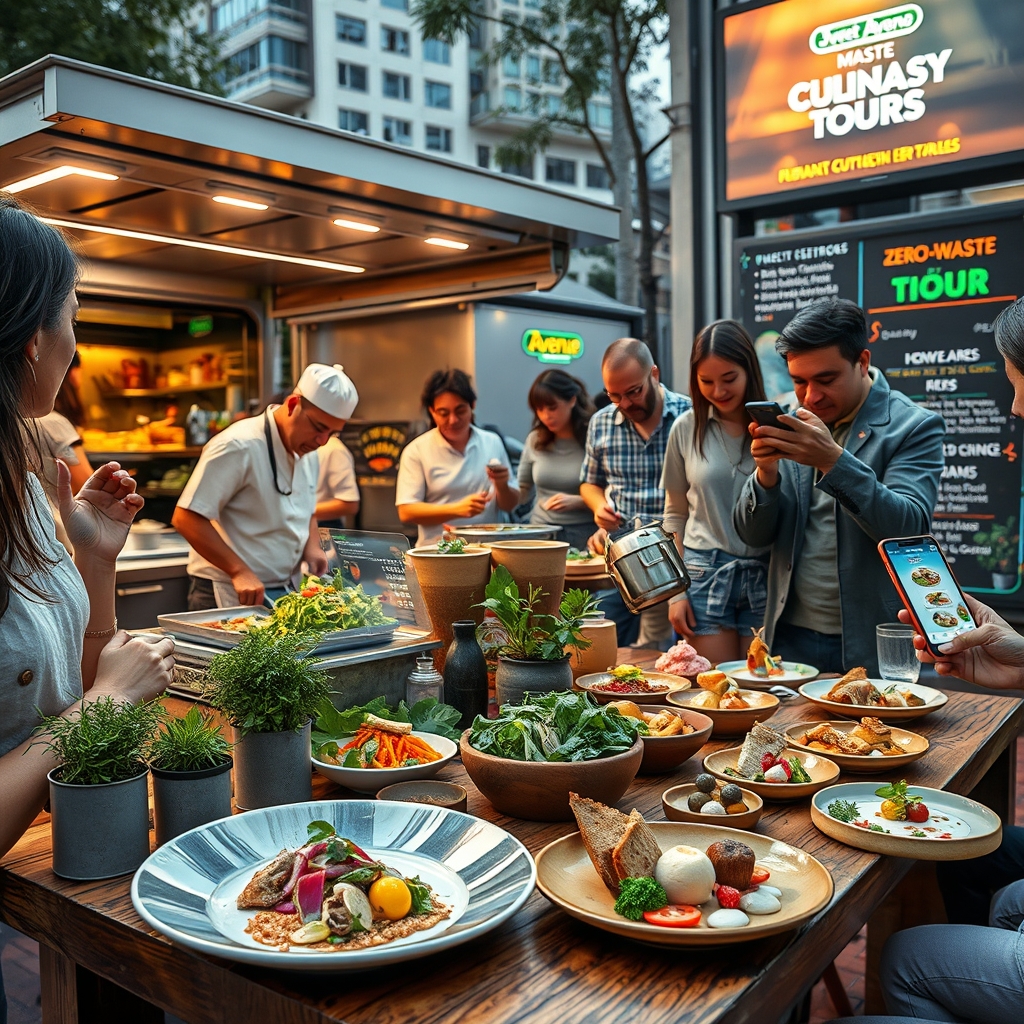
2026’s Next-Level Food Journey: How to Savor Culinary Tours, Restaurant Tech & Sustainable Eats Without Breaking the Bank
Planning a food-centric trip in 2026 means more than just picking restaurants—it’s about curating experiences that blend culinary tours, cutting-edge restaurant tech, and sustainable eating while staying on budget. Whether you’re a street food enthusiast, a gourmet home cook, or a plant-based foodie, this guide will show you how to navigate restaurant recommendations, discover hidden gems, and leverage the latest kitchen innovations to elevate every meal. You’ll learn how to balance indulgence with affordability, use tech to find the best eats, and capture stunning food photography that tells a story.
Key Takeaways
- Use AI-powered apps and local food tours to uncover budget-friendly eats and street food chronicles without sacrificing quality.
- Prioritize organic and sustainable food by seeking out restaurants with transparent sourcing and zero-waste initiatives.
- Incorporate restaurant tech trends like reservation bots and augmented reality menus to streamline your dining experience.
- Enhance your gourmet home cooking with smart kitchen gadgets and food styling & photography tips to make meals Instagram-worthy.
How Can You Experience Culinary Tours Without the Hefty Price Tag?
Culinary tours don’t have to drain your wallet. In 2026, savvy travelers are turning to local food cooperatives and community-led street food markets for authentic, affordable experiences. Apps like EatWith and Withlocals connect you with home cooks offering private dining experiences at a fraction of restaurant prices. For example, a plant-based delights tour in Lisbon might cost €30 for a multi-course meal, while a similar experience in a high-end restaurant could run €100 or more.
Another budget-friendly strategy is to time your visits with food festivals. Events like World Food Travel Association’s global festivals often feature discounted tastings, chef demos, and exclusive access to restaurant recommendations from local experts. These events are also a goldmine for discovering sweet avenue bakeries and dessert spots that might not appear in mainstream guides.
What Are the Best Tools for Finding Hidden Restaurant Gems?
Gone are the days of relying solely on Yelp or TripAdvisor. In 2026, foodies are using AI-driven platforms like Zomato’s “Hidden Gems” feature, which analyzes user behavior to suggest lesser-known spots with high ratings. For culinary tourism, tools like Google’s “Explore” tab now integrate real-time data on wait times, peak hours, and even dish popularity, helping you avoid tourist traps.
For those who prefer a more hands-on approach, restaurant tech like OpenTable’s “Resy” integration allows you to book last-minute tables at high-demand spots, often with exclusive perks. If you’re into gourmet home cooking, apps like SideChef offer step-by-step recipes paired with kitchen gadget reviews to help you recreate restaurant-quality dishes at home.
How Is Restaurant Tech Shaping the Future of Dining in 2026?
From AI sommeliers to robotic chefs, restaurant tech is revolutionizing how we dine. One standout trend is the rise of augmented reality (AR) menus, which allow you to visualize dishes before ordering—perfect for food styling & photography enthusiasts. For example, a restaurant in Tokyo uses AR to show how sushi is prepared, adding an interactive layer to the dining experience.
Another game-changer is dynamic pricing, where restaurants adjust prices based on demand, time of day, or even weather conditions. This can work in your favor if you’re hunting for budget-friendly eats. Apps like Too Good To Go partner with restaurants to sell surplus food at discounted rates, reducing waste while saving you money. According to a 2025 report by the Food and Agriculture Organization (FAO), such initiatives have helped divert over 1.3 billion tons of food waste globally, making them a win for both your wallet and the planet.
What Kitchen Gadgets Are Worth the Investment for Home Cooks?
If you’re serious about gourmet home cooking, 2026’s must-have gadgets include the Thermapen ONE, a precision thermometer that ensures perfect doneness every time, and the Ninja Foodi SmartLid, which combines pressure cooking, air frying, and slow cooking in one device. For plant-based delights, the Vitamix E310 is a powerhouse for blending nut milks, soups, and sauces with restaurant-quality smoothness.
For those who love food styling & photography, tools like the Lume Cube Panel Mini provide professional lighting for capturing your creations. Pair this with a smartphone macro lens, and you’ll be able to highlight textures and details like a pro—no expensive camera required.
How Can You Make Sustainable Choices Without Compromising on Flavor?
Sustainable eating in 2026 goes beyond just choosing organic produce. Restaurants are now adopting closed-loop systems, where food waste is composted and used to grow new ingredients. For example, Silk Road Café in London uses spent coffee grounds to fertilize mushrooms, which are then served in their dishes. Look for eateries with certifications like B Corp or Fair Trade to ensure your meal aligns with your values.
At home, you can reduce waste by investing in reusable food storage like Stasher bags or Beeswax wraps. For budget-friendly eats, buy in bulk and opt for ugly produce—imperfect fruits and vegetables that are often sold at a discount but taste just as good. Apps like Olio connect you with neighbors giving away surplus food, making it easy to save money while supporting a circular economy.
Your 2026 food journey starts with a single step: whether it’s booking a culinary tour, experimenting with a new kitchen gadget, or snapping the perfect shot of your sweet avenue dessert, the key is to savor every moment. Use the tools and trends outlined here to craft an experience that’s as delicious as it is memorable—without the stress of overspending or missing out on the latest innovations.
