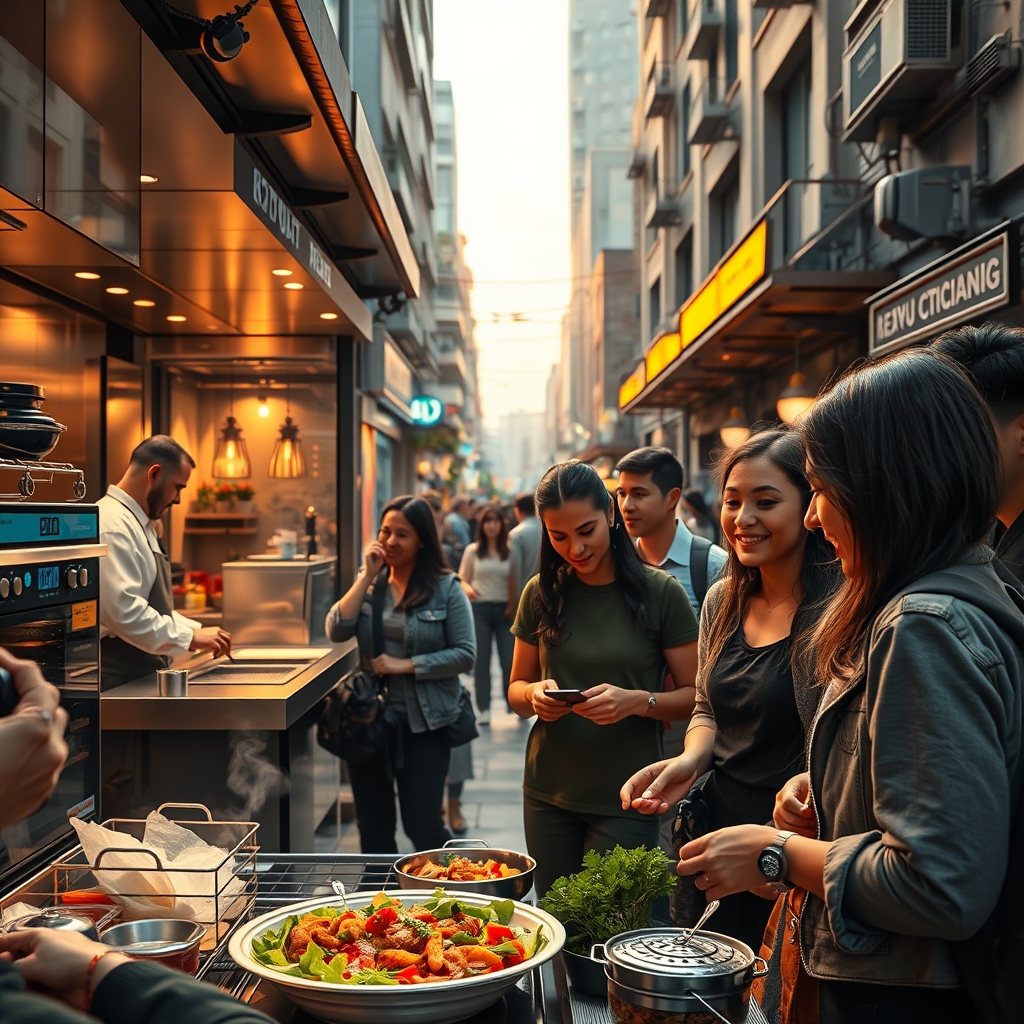
2026’s Ultimate Food Journey: Where to Find the Best Culinary Tours, Street Food, and Restaurant Tech Innovations
Planning your 2026 food adventures? Whether you’re a traveler seeking culinary tours, a home cook exploring gourmet home cooking, or a tech-savvy diner curious about restaurant tech & trends, this guide delivers actionable insights to elevate your experience. You’ll discover how to navigate street food chronicles, uncover budget-friendly eats, and master food styling & photography—all while aligning with the latest in organic & sustainable food and plant-based delights. By the end, you’ll know exactly where to eat, what to cook, and how to capture it like a pro.
Key Takeaways
- Prioritize culinary tourism destinations with verified local guides and immersive experiences.
- Leverage restaurant tech like AI-driven reservations and contactless menus for seamless dining.
- Use food styling & photography techniques to enhance your social media presence and personal brand.
- Balance indulgence with organic & sustainable food choices to support ethical dining trends.
How Can You Experience Authentic Culinary Tours in 2026?
Culinary tours are no longer just about tasting food—they’re about storytelling, culture, and hands-on participation. In 2026, the most sought-after tours blend street food chronicles with behind-the-scenes access to local markets, artisanal workshops, and family-run kitchens. For example, cities like Oaxaca, Mexico, and Kyoto, Japan, offer multi-day immersions where travelers learn to make mole from scratch or master the art of kaiseki plating.
To ensure authenticity, opt for tours led by certified guides or platforms like World Food Travel Association, which sets industry standards for culinary tourism. Look for itineraries that include farm-to-table visits, foraging expeditions, or chef-led demonstrations. These experiences not only deepen your appreciation for global cuisines but also support local economies and sustainable practices.
What Should You Look for in a High-Quality Culinary Tour?
First, verify the tour operator’s credentials. Reputable providers often partner with local chefs, historians, or food anthropologists to curate unique narratives. Second, check group sizes—smaller groups (under 12 people) allow for personalized interactions and better access to off-the-beaten-path spots. Finally, read reviews that highlight the tour’s cultural depth, not just the food quality. A well-rounded experience should leave you with new skills, recipes, or even friendships with locals.
Where Can You Find the Best Street Food in 2026?
Street food chronicles are evolving beyond Instagram-worthy stalls. In 2026, cities like Bangkok, Istanbul, and Mexico City are investing in hygienic, tech-enabled street food hubs with QR code menus and digital payments. These spaces prioritize organic & sustainable food by sourcing ingredients from urban farms or zero-waste vendors. For instance, Singapore’s hawker centers now feature stalls with carbon-neutral certifications, proving that street food can be both affordable and eco-conscious.
To navigate street food safely, follow these steps:
- Observe the crowd: Busy stalls with locals are a good sign of freshness and popularity.
- Ask for recommendations: Vendors often suggest their signature dishes or lesser-known specialties.
- Check for certifications: Look for health department ratings or sustainability badges displayed at the stall.
How Is Restaurant Tech Transforming Dining in 2026?
Restaurant tech & trends are reshaping how we discover, order, and experience food. AI-powered reservation systems, like those used by Resy or OpenTable, now predict wait times with 90% accuracy by analyzing historical data and real-time foot traffic. Meanwhile, augmented reality (AR) menus allow diners to visualize dishes in 3D before ordering, reducing food waste and enhancing satisfaction. A 2025 study by the National Restaurant Association found that 68% of diners are more likely to return to restaurants offering tech-driven personalization.
For home cooks, smart kitchen gadgets are bridging the gap between gourmet home cooking and professional techniques. Devices like the June Oven or Thermomix use AI to adjust cooking times and temperatures, ensuring perfect results every time. These tools are particularly valuable for mastering plant-based delights, where precision is key to replicating meat-like textures or umami-rich flavors.
Which Restaurant Tech Trends Should You Try in 2026?
Start with contactless dining experiences. Many restaurants now offer QR code menus that link to nutritional information, allergen alerts, and even chef interviews. For a futuristic twist, visit venues with robotic servers or automated cocktail mixers—these are becoming mainstream in cities like Tokyo and Dubai. If you’re dining at home, experiment with voice-activated assistants like Amazon’s Alexa to set timers, convert measurements, or find ingredient substitutions.
How Can You Capture Stunning Food Photos for Social Media?
Food styling & photography is an essential skill for foodies in 2026. With platforms like TikTok and Instagram prioritizing visual content, a well-composed photo can boost your engagement by up to 40%. Start with natural lighting—position your dish near a window or use a ring light to avoid harsh shadows. For props, opt for minimalist backgrounds like wooden boards or marble slabs to keep the focus on the food.
Editing apps like Lightroom or VSCO can enhance colors and textures, but avoid over-filtering. Instead, use tools like the “clarity” slider to emphasize details like caramelization on a steak or the flakiness of a croissant. For sweet avenue (bakery & desserts) shots, capture the first bite or a drizzle of sauce to evoke sensory appeal. Remember, the goal is to tell a story—whether it’s the rustic charm of a budget-friendly eats dish or the elegance of a plant-based delight.
What Are the Best Angles for Food Photography?
- Overhead (flat lay): Ideal for dishes with intricate details, like sushi platters or charcuterie boards.
- 45-degree angle: Perfect for layered foods, such as burgers or cakes, to showcase depth.
- Close-up (macro): Highlights textures, like the crispiness of fried chicken or the glossiness of a glaze.
As you plan your 2026 food journey, focus on experiences that align with your values—whether that’s supporting organic & sustainable food initiatives, exploring restaurant tech, or mastering gourmet home cooking. Start by booking one culinary tour or trying a new kitchen gadget, then document your progress with food styling & photography. The world of food is evolving, and with these tools, you’ll be ready to savor every bite—both literally and visually.
