2026’s Global Palate: How to Experience Culinary Tours, Street Food, and Restaurant Tech Like a Savvy Insider
Planning a food-centric trip in 2026 means more than just picking restaurants—it’s about curating experiences that blend culinary tours, street food discoveries, and cutting-edge restaurant tech. Whether you’re a budget-conscious traveler, a gourmet home cook, or a plant-based foodie, this guide will help you navigate the best of global flavors, from hidden street food stalls to high-tech dining spaces. You’ll learn how to find authentic eats, capture stunning food photography, and even replicate restaurant-quality dishes at home with the latest kitchen gadgets.
Key Takeaways
- Culinary tours in 2026 prioritize sustainability, local sourcing, and immersive storytelling—choose operators with transparent practices.
- Street food remains the heart of authentic travel; use tech like AI-powered review aggregators to find hidden gems.
- Restaurant tech (e.g., smart menus, automated kitchens) is reshaping dining—embrace it for efficiency and novel experiences.
- Food styling and photography are now essential skills; master natural lighting and minimalist plating for social media-worthy shots.
How Can Culinary Tours Elevate Your Travel Experience in 2026?
Culinary tours are no longer just about tasting food—they’re about understanding culture, history, and sustainability. In 2026, the best tours offer behind-the-scenes access to organic farms, zero-waste kitchens, and family-run eateries. Look for operators that partner with local communities, ensuring your tourism dollars support ethical practices. For example, the UN’s Sustainable Development Goals highlight how food tourism can drive economic growth while preserving heritage—a trend shaping 2026’s tour offerings.
Pro tip: Book tours that include hands-on cooking classes. These sessions often reveal regional techniques, like fermenting kimchi in Seoul or crafting pasta from scratch in Bologna, giving you skills to recreate dishes at home.
Where to Find the Best Street Food in 2026 Without the Tourist Traps
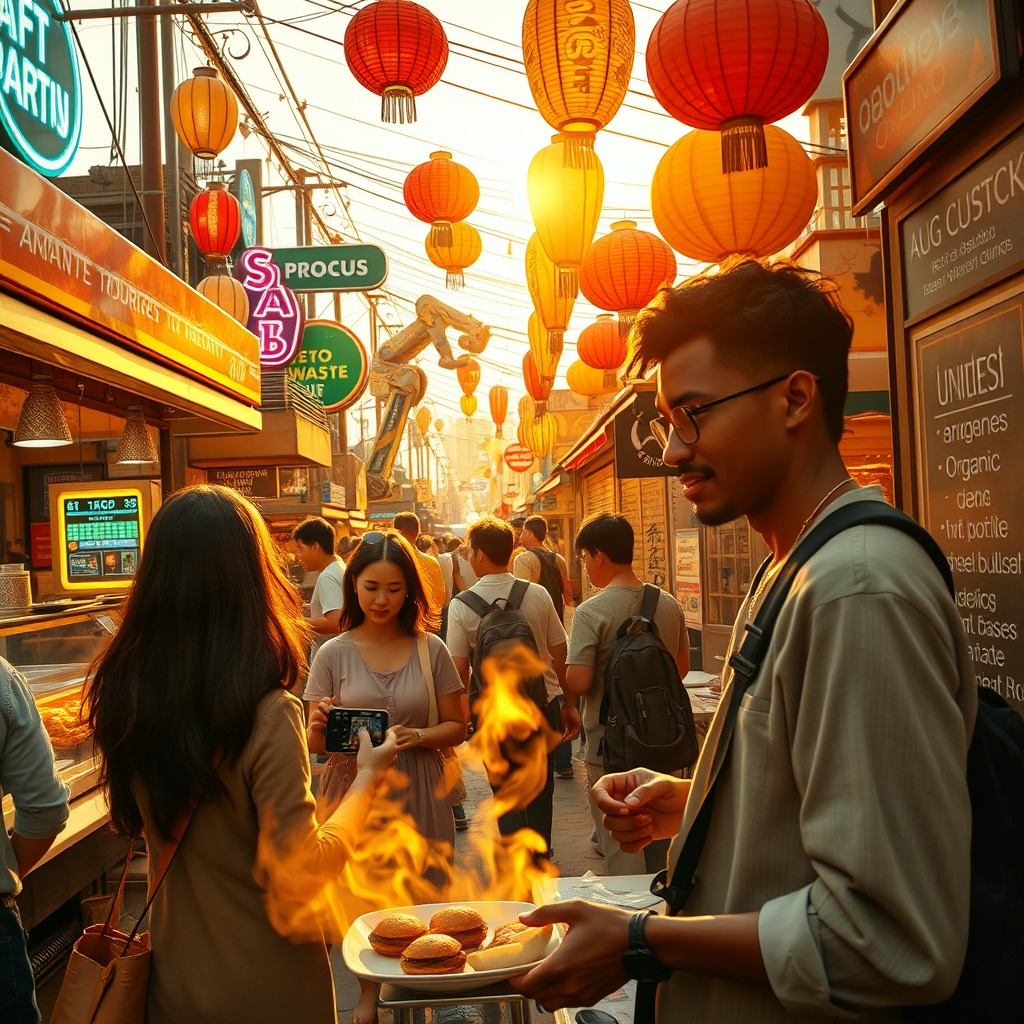
Street food is the soul of culinary tourism, but avoiding overpriced or inauthentic stalls requires strategy. Start by researching neighborhoods known for local flavors, like Bangkok’s Chinatown or Mexico City’s Mercado de San Juan. In 2026, AI-driven apps aggregate real-time reviews from locals, helping you dodge tourist traps and find vendors with high turnover (a sign of freshness).
Safety matters too. Prioritize stalls with visible hygiene practices, such as gloves, covered food, and high foot traffic. A 2025 study by the World Health Organization found that street food vendors adhering to basic hygiene standards reduced foodborne illnesses by 40%—a statistic worth remembering as you explore.
Budget-Friendly Eats: How to Eat Like a Local on Any Budget
Traveling on a budget doesn’t mean sacrificing flavor. Seek out “menu del día” specials in Spain, “thali” meals in India, or “comida corrida” in Mexico—these fixed-price lunches offer generous portions at a fraction of dinner costs. In 2026, apps like Too Good To Go partner with restaurants to sell surplus food at discounted rates, reducing waste while filling your plate.
Another hack: Visit markets during closing hours. Vendors often slash prices on fresh produce, baked goods, and prepared foods to avoid waste. Pair this with a portable kitchen gadget like a multi-cooker, and you can turn market finds into gourmet meals in your Airbnb.
What Restaurant Tech Trends Are Redefining Dining in 2026?
From AI-powered sommeliers to robotic chefs, restaurant tech is transforming how we eat. In 2026, expect to see more automated kitchens in fast-casual spots, where robots handle repetitive tasks (like flipping burgers) while human chefs focus on creativity. Smart menus with augmented reality (AR) overlays will let you visualize dishes before ordering, reducing food waste and enhancing transparency.
For home cooks, tech is making gourmet cooking accessible. Devices like precision sous-vide machines or smart ovens with built-in scales and guided recipes take the guesswork out of complex dishes. If you’re curious about plant-based delights, 2026’s lab-grown meat alternatives and AI-designed vegan recipes are pushing boundaries—try a gadget like a plant-based meat grinder to experiment at home.
Sweet Avenue: How to Discover the Best Bakeries and Desserts Worldwide
Dessert tourism is booming, with travelers seeking out artisanal bakeries and Instagram-famous patisseries. In 2026, look for shops using organic, locally sourced ingredients—think matcha mochi in Kyoto or cardamom-infused pastries in Istanbul. Many bakeries now offer workshops where you can learn techniques like tempering chocolate or laminating dough, perfect for bringing skills home.
Pro tip: Use hashtags like #HiddenBakeries or #DessertTourism on social media to uncover lesser-known spots. Pair your finds with a portable espresso maker for the ultimate café experience on the go.
How to Capture Food Like a Pro: Food Styling and Photography Tips for 2026
Food photography is an art, but you don’t need a professional setup to create stunning shots. Start with natural light—position your dish near a window and use a white foam board to bounce light and reduce shadows. In 2026, minimalist plating is trending: focus on one hero ingredient (like a drizzle of olive oil or a sprinkle of herbs) to draw the eye.
For gadget lovers, a smartphone with a macro lens or a portable lightbox can elevate your photos. Apps like Lightroom or VSCO offer presets tailored to food photography, ensuring your shots look cohesive across social media. Remember, the goal is to tell a story—capture the steam rising from a bowl of ramen or the texture of a crusty sourdough loaf.
As you plan your 2026 culinary adventures, focus on experiences that align with your values—whether that’s sustainability, affordability, or innovation. Start by mapping out a few key destinations, then layer in culinary tours, street food crawls, and tech-driven dining. With the right tools and mindset, you’ll return home not just with memories, but with new skills, recipes, and a deeper appreciation for global flavors.
