2026’s Flavor Odyssey: How to Master Culinary Tours, Restaurant Tech, and Plant-Based Eats with Confidence and Creativity
Planning a culinary adventure in 2026 means more than just picking a restaurant—it’s about curating experiences that blend street food chronicles, gourmet home cooking, and cutting-edge restaurant tech. Whether you’re a budget-conscious traveler, a plant-based foodie, or a gadget enthusiast, this guide will show you how to navigate culinary tours, uncover hidden gems, and elevate your kitchen skills with confidence. You’ll learn how to balance authenticity with innovation, capture stunning food photography, and make sustainable choices without sacrificing flavor.
- Discover how restaurant tech like AI-driven menus and augmented reality dining is reshaping the way we eat out in 2026.
- Learn to identify budget-friendly eats without compromising on quality, from street food hubs to affordable gourmet spots.
- Master food styling and photography with pro tips for capturing Instagram-worthy dishes, even on a smartphone.
- Explore plant-based delights and organic, sustainable food trends that are redefining global cuisine.
How Can You Experience Authentic Culinary Tours Without the Tourist Traps?
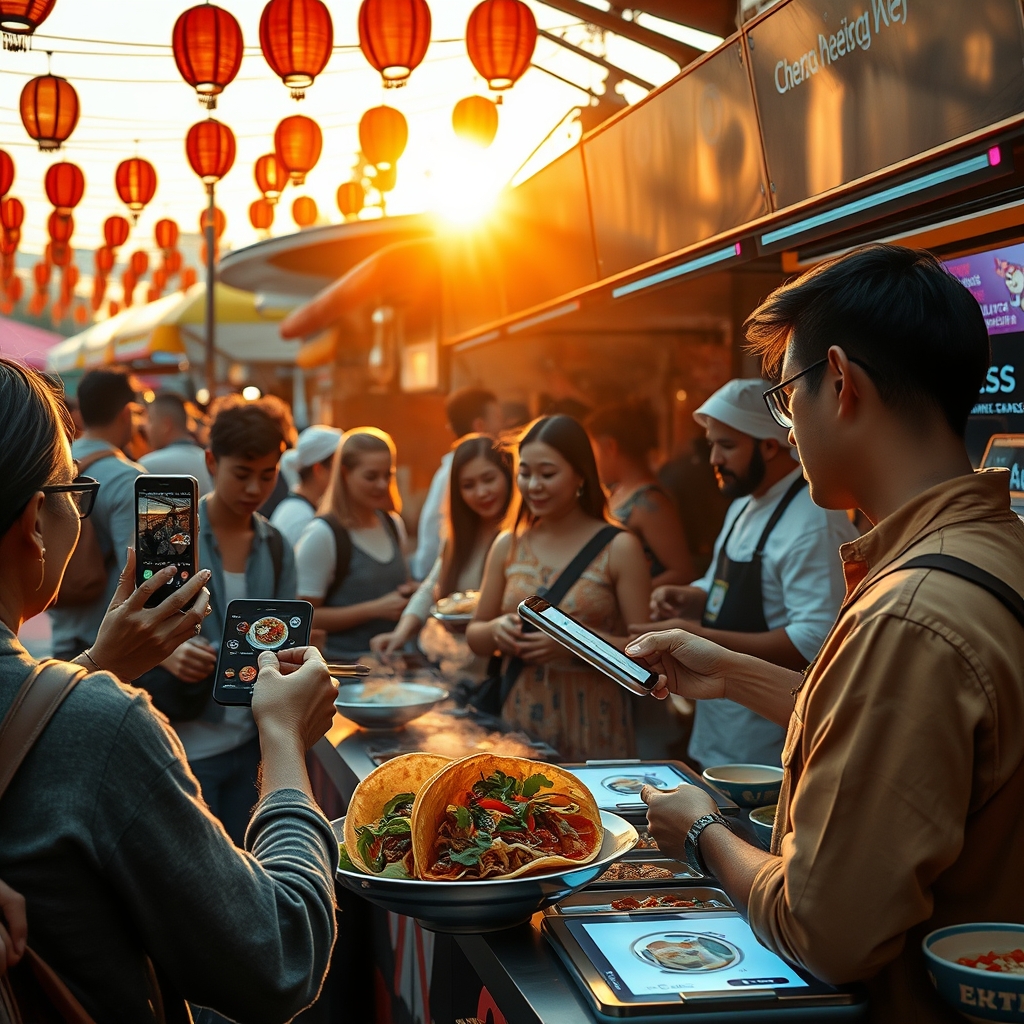
Culinary tourism in 2026 is all about immersive, localized experiences. Skip the overpriced guided tours and opt for neighborhood-led street food chronicles that highlight regional specialties. Platforms like World Food Travel Association curate off-the-beaten-path itineraries, connecting travelers with home cooks, farmers, and artisans. For example, a Bangkok street food tour might include a visit to a family-run pad thai stall that’s been perfecting its recipe for generations, rather than a crowded night market.
To maximize authenticity, research destinations where food is deeply tied to culture. Cities like Oaxaca, Mexico, or Naples, Italy, offer culinary tours that focus on heritage—think mole-making workshops or wood-fired pizza classes with nonnas. Use apps like Eatwith or Airbnb Experiences to filter for highly rated, locally hosted activities. These platforms often feature hosts who are passionate about sharing their culinary traditions, not just selling a scripted tour.
What Are the Top Restaurant Tech Trends Shaping Dining in 2026?
Restaurant tech is no longer just about contactless payments. In 2026, expect to see AI-powered sommeliers suggesting wine pairings based on your meal history, or augmented reality (AR) menus that let you visualize dishes before ordering. A report by the National Restaurant Association highlights that 63% of diners are more likely to return to restaurants offering personalized tech experiences, such as digital concierges or real-time ingredient sourcing info.
For home cooks, smart kitchen gadgets are bridging the gap between restaurant-quality meals and everyday cooking. Devices like the Thermapen ONE (a precision thermometer) or the June Oven (an AI-powered countertop oven) are becoming staples in gourmet home kitchens. These tools not only streamline cooking but also help reduce food waste—a key concern for organic and sustainable food enthusiasts. Look for gadgets with multi-functionality, like the Ninja Foodi, which combines pressure cooking, air frying, and slow cooking in one.
How Do You Find Budget-Friendly Eats That Don’t Skimp on Flavor?
Eating well on a budget in 2026 means knowing where to look. Street food remains a goldmine for budget-friendly eats, but quality varies widely. Prioritize stalls with high turnover—this usually indicates freshness—and watch where locals line up. In cities like Hanoi or Istanbul, street food hubs like Dong Xuan Market or Kadıköy Market offer meals for under $5 that rival sit-down restaurants.
For sit-down meals, seek out lunch specials or prix-fixe menus at mid-range restaurants. Many high-end chefs now offer affordable daytime options to attract a broader audience. Apps like Too Good To Go also help reduce food waste by selling surplus meals from restaurants at a fraction of the cost. If you’re cooking at home, focus on versatile ingredients like lentils, rice, or seasonal produce to stretch your grocery budget without sacrificing nutrition or taste.
What’s the Secret to Capturing Stunning Food Photography in 2026?
Food styling and photography in 2026 are less about expensive gear and more about technique. Natural light remains the best tool for capturing vibrant, true-to-life colors. Position your dish near a window (but avoid direct sunlight) and use a reflector—even a white foam board—to bounce light onto shadows. For smartphones, enable the grid feature to apply the rule of thirds, and tap the screen to adjust exposure before snapping.
Composition is key. Use the “hero shot” approach, where one element (like a drizzle of sauce or a sprinkle of herbs) draws the eye. Props should complement, not overpower, the dish—think minimalist wooden boards or neutral linens. For editing, apps like Lightroom Mobile or VSCO offer presets tailored to food photography, helping you enhance colors without over-processing. If you’re sharing on social media, engage with trends like “#FoodieAdventures” or “#PlantBasedEats” to reach a wider audience.
Why Are Plant-Based Delights Dominating Menus in 2026?
Plant-based dining is no longer a niche trend—it’s a mainstream movement driven by health, sustainability, and innovation. In 2026, expect to see plant-based delights that mimic meat in texture and flavor, thanks to advancements in food science. Companies like Impossible Foods and Beyond Meat are expanding their offerings to include whole-cut products like steaks and chicken breasts, while startups like Meati are using mycelium (mushroom root) to create meat-like alternatives with minimal processing.
Restaurants are also embracing plant-forward menus, with many dedicating entire sections to organic and sustainable food. For example, Eleven Madison Park in New York City made headlines by transitioning to a fully plant-based menu, proving that fine dining can thrive without animal products. At home, experiment with umami-rich ingredients like nutritional yeast, miso, or smoked paprika to add depth to plant-based dishes. Fermentation is another trend to watch—think homemade kimchi or kombucha—for adding complexity to flavors.
How Can You Elevate Your Home Cooking with Gourmet Techniques?
Gourmet home cooking in 2026 is about mastering a few key techniques that elevate everyday meals. Sous vide, for example, ensures perfectly cooked proteins every time, while reverse searing (slow-cooking meat in the oven before searing) delivers restaurant-quality steaks. If you’re new to these methods, start with affordable tools like the Anova Precision Cooker, which attaches to any pot and connects to your smartphone for guided cooking.
Flavor layering is another skill to hone. Think beyond salt and pepper—incorporate aromatics like garlic, ginger, or lemongrass early in the cooking process, and finish dishes with fresh herbs or citrus zest. For sweet avenue enthusiasts, mastering techniques like tempering chocolate or making custards from scratch can turn homemade desserts into showstoppers. Online platforms like MasterClass or YouTube channels like Basics with Babish offer step-by-step tutorials for all skill levels.
As you plan your 2026 culinary journey, start small: pick one area to explore, whether it’s a local culinary tour, a new kitchen gadget, or a plant-based recipe. Document your progress with photos and notes, and don’t be afraid to experiment. The best food experiences often come from curiosity and a willingness to step outside your comfort zone—so grab your camera, your appetite, and get ready to taste the future.
