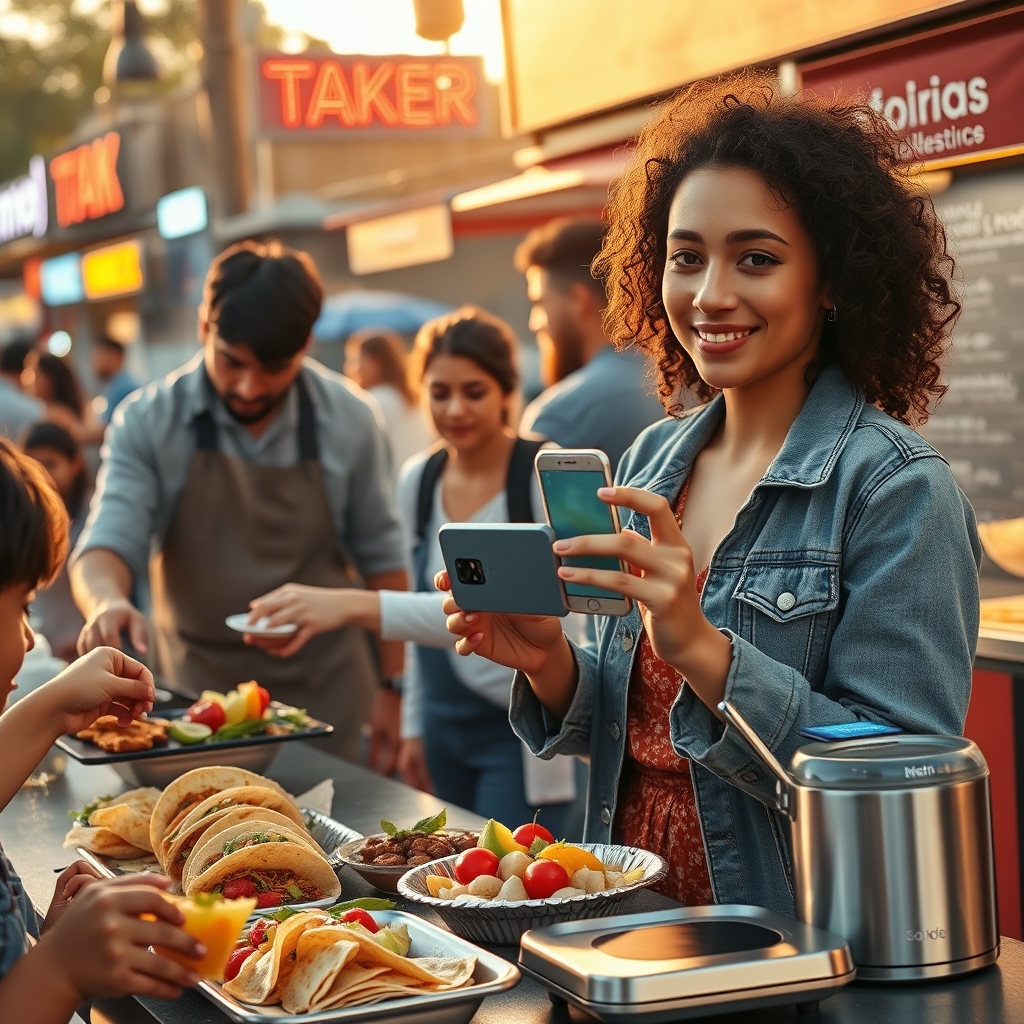
2026’s Ultimate Food Adventure: How to Master Culinary Tours, Street Food, and Restaurant Tech for Unforgettable Flavors and Smart Savings
Planning a food-centric trip in 2026? You’re not just eating—you’re curating an experience that blends culinary tours, street food chronicles, and cutting-edge restaurant tech to savor the world’s best flavors without overspending. This guide reveals how to navigate gourmet hotspots, uncover hidden gems, and leverage smart tools to elevate your journey, whether you’re a budget traveler or a plant-based foodie. By the end, you’ll know where to find the most authentic eats, how to cook restaurant-quality meals at home, and which kitchen gadgets are worth the investment.
Key Takeaways
- Prioritize culinary tourism destinations with walkable food markets and guided street food tours for immersive, budget-friendly experiences.
- Use restaurant tech like AI-driven reservation platforms and sustainability trackers to save time and align with ethical dining trends.
- Master gourmet home cooking with a few high-impact gadgets and techniques to replicate travel flavors at home.
- Capture food styling & photography like a pro with minimal gear, focusing on natural light and storytelling composition.
How Can You Experience the Best Culinary Tours Without the Tourist Traps?
Skip the overpriced buffets and generic food tours. In 2026, culinary tourism thrives on hyper-local, niche experiences—think midnight noodle crawls in Taipei’s alleys or farm-to-table foraging workshops in Tuscany. Start by researching destinations with a strong street food culture, where vendors have been perfecting recipes for generations. Cities like Mexico City, Bangkok, and Istanbul offer guided tours led by local chefs or food historians who share context beyond the plate, from ingredient sourcing to cultural significance.
For a deeper dive, seek out tours that include hands-on elements, like making fresh pasta in Bologna or rolling sushi in Tokyo. These experiences often cost less than a high-end restaurant meal but deliver richer memories. Pro tip: Book through platforms like World Food Travel Association, which vets operators for authenticity and sustainability, ensuring your tourism dollars support local communities.
What Are the Top 3 Street Food Destinations for 2026?
Street food isn’t just cheap eats—it’s the heartbeat of a city’s culinary identity. Here are three standout destinations where street food chronicles come to life:
- Oaxaca, Mexico: Beyond tacos, Oaxaca’s markets serve up tlayudas (crispy tortillas topped with beans and cheese) and chapulines (toasted grasshoppers) for adventurous eaters. The city’s Mercado 20 de Noviembre is a must-visit, with smoke-filled aisles of grilled meats and mole stalls.
- Penang, Malaysia: UNESCO-listed for its food culture, Penang’s hawker stalls offer char kway teow (stir-fried noodles) and cendol (coconut dessert) for under $2. The Gurney Drive Hawker Centre is a prime spot for sunset bites.
- Marrakech, Morocco: Djemaa el-Fna square transforms at dusk into a sensory overload of tagines, snail soup, and fresh orange juice. Locals recommend arriving early to watch vendors set up and snag the best seats.
How Is Restaurant Tech Changing the Way You Dine in 2026?
From AI sommeliers to carbon-footprint menus, restaurant tech is reshaping dining in 2026. Apps like Resy and OpenTable now use predictive algorithms to suggest reservations based on your past preferences, while platforms like Too Good To Go let you snag discounted surplus food from top restaurants, reducing waste. For plant-based diners, tools like HappyCow have expanded to include filters for organic & sustainable food certifications, helping you find eateries that align with your values.
Tech isn’t just for reservations—it’s enhancing the dining experience itself. In Tokyo, robots serve ramen at Nakamura Tokichi, while in San Francisco, Cala uses AI to personalize cocktails based on your mood. Even home cooks benefit: Smart ovens like June and Brava now come with guided cooking programs for restaurant-quality dishes, from sous-vide steaks to plant-based delights like crispy cauliflower steaks.
Which Kitchen Gadgets Are Worth the Hype in 2026?
Not all gadgets are created equal. Here’s what’s earning its place in modern kitchens:
- Multi-cookers (e.g., Instant Pot Pro Crisp): Combines pressure cooking, air frying, and slow cooking in one. Ideal for budget-friendly eats like batch-cooked stews or crispy tofu.
- Precision cookers (e.g., Anova Nano): Sous-vide tools for foolproof proteins and veggies. Perfect for gourmet home cooking without the restaurant markup.
- Smart scales (e.g., Drop Scale): Syncs with apps to guide baking and portion control. A game-changer for food styling & photography when precision matters.
How Can You Capture Food Like a Pro Without Expensive Gear?
You don’t need a DSLR to take drool-worthy food photos. In 2026, food styling & photography is all about storytelling and natural light. Start by shooting near a window during the “golden hour” (early morning or late afternoon) to avoid harsh shadows. Use a reflector (even a white foam board) to bounce light onto your dish, and arrange props like vintage cutlery or linen napkins to add context without clutter.
For editing, free apps like Snapseed or VSCO offer pro-level tools to adjust exposure and color balance. Focus on composition rules like the “rule of thirds” or leading lines (e.g., a fork pointing toward the main dish) to guide the viewer’s eye. If you’re sharing on social media, pair your photo with a short caption that highlights the dish’s origin or your personal connection to it—this boosts engagement and makes your content stand out.
What Are the Best Budget-Friendly Eats for Travelers in 2026?
Eating well on a budget isn’t about sacrificing flavor—it’s about knowing where to look. In Lisbon, Time Out Market offers gourmet bites from top chefs at street-food prices, while in Hanoi, Bún Chả Hương Liên (the spot where Obama and Bourdain dined) serves up legendary grilled pork noodles for under $5. For plant-based delights, cities like Berlin and Portland have thriving vegan food truck scenes where hearty bowls and jackfruit tacos cost less than their meat counterparts.
Pro tip: Use apps like Foursquare or Google Maps to search for “cheap eats” near your location, and filter by ratings. Locals often leave tips in reviews about daily specials or hidden discounts, giving you insider access to budget-friendly eats that tourists miss.
Your 2026 food adventure starts with curiosity and a willingness to explore beyond the guidebook. Whether you’re navigating a bustling night market, replicating a street food recipe at home, or snapping the perfect shot of your meal, the key is to savor the process as much as the flavors. Pack your appetite, a reliable camera (or smartphone), and an open mind—your next unforgettable bite is just around the corner.
