2026’s Flavor Trailblazer: How to Experience Culinary Tours, Restaurant Tech, and Sustainable Eats Like a Next-Gen Gourmet
Planning a food-centric trip in 2026 means more than just picking restaurants from a guidebook. You’ll navigate culinary tours that blend local history with hyper-seasonal menus, use restaurant tech to skip lines and customize dishes, and hunt for street food that’s both Instagram-worthy and sustainably sourced. This guide shows you how to curate a trip that satisfies your palate, budget, and conscience—whether you’re a gourmet home cook, a plant-based explorer, or a dessert devotee. You’ll learn where to find the most innovative eats, how to capture them like a pro, and which kitchen gadgets are worth the splurge.
Key Takeaways
- Culinary tours in 2026 prioritize organic and sustainable food sourcing, with 68% of operators offering farm-to-table or zero-waste experiences (UNWTO, 2025).
- Restaurant tech like AI-driven menus and contactless ordering reduces wait times by up to 40% in high-demand venues.
- Food styling and photography now relies on natural lighting and minimal props to highlight authenticity over perfection.
- Budget-friendly eats are thriving in street food hubs, where vendors use biodegradable packaging and locally grown ingredients.
How Can Culinary Tours Elevate Your Travel Experience in 2026?
Culinary tours are no longer just about tasting dishes—they’re immersive storytelling experiences. In cities like Lisbon, Tokyo, and Mexico City, operators are partnering with historians and farmers to create itineraries that trace ingredients from soil to plate. For example, a plant-based delights tour in Barcelona might start with a visit to a vertical farm, followed by a cooking class using heirloom vegetables, and end with a tasting menu at a Michelin-recognized vegan restaurant.
Look for tours that offer small-group or private options to avoid crowds and get personalized recommendations. Apps like EatWith and Withlocals now feature verified hosts who share insider tips, such as the best time to visit a market or how to order like a local. If you’re traveling with dietary restrictions, filter for tours that explicitly accommodate them—many now include gluten-free, keto, or allergy-friendly stops.
What Should You Look for in a Modern Culinary Tour?
- Sustainability credentials: Check if the tour partners with FAO-certified sustainable food suppliers or supports local conservation efforts.
- Tech integration: Some tours use augmented reality (AR) to overlay historical context onto dishes, while others provide digital recipe cards for dishes you try.
- Cultural depth: The best tours weave in local traditions, such as a mezcal-making demonstration in Oaxaca or a tea ceremony in Kyoto.
Where Can You Find the Best Restaurant Tech Innovations in 2026?
Restaurants are using tech to streamline dining and enhance creativity. In Singapore, robot chefs prepare wok-fired dishes with precision, while in Copenhagen, AI-driven sommeliers pair wines with your meal based on your flavor preferences. Contactless ordering via QR codes is now standard, but some venues take it further: at Sushi Singularity in Tokyo, diners use an app to customize their sushi’s shape, color, and nutritional profile before it’s 3D-printed at the table.
For budget-friendly eats, tech is a game-changer. Apps like Too Good To Go let you purchase surplus food from restaurants at a discount, reducing waste while saving money. In Berlin, pop-up street food markets use dynamic pricing algorithms to adjust costs based on demand, ensuring you get the best deal during off-peak hours.
How Can You Use Tech to Enhance Your Dining Experience?
- Reservation tools: Platforms like Resy and OpenTable now show real-time waitlist updates and let you join virtual queues for popular spots.
- Menu translators: Apps like Google Lens can instantly translate foreign menus and provide ingredient details, including allergen warnings.
- Payment flexibility: Many restaurants now accept cryptocurrency or offer installment plans for high-end tasting menus.
What Are the Must-Try Street Food Trends in 2026?
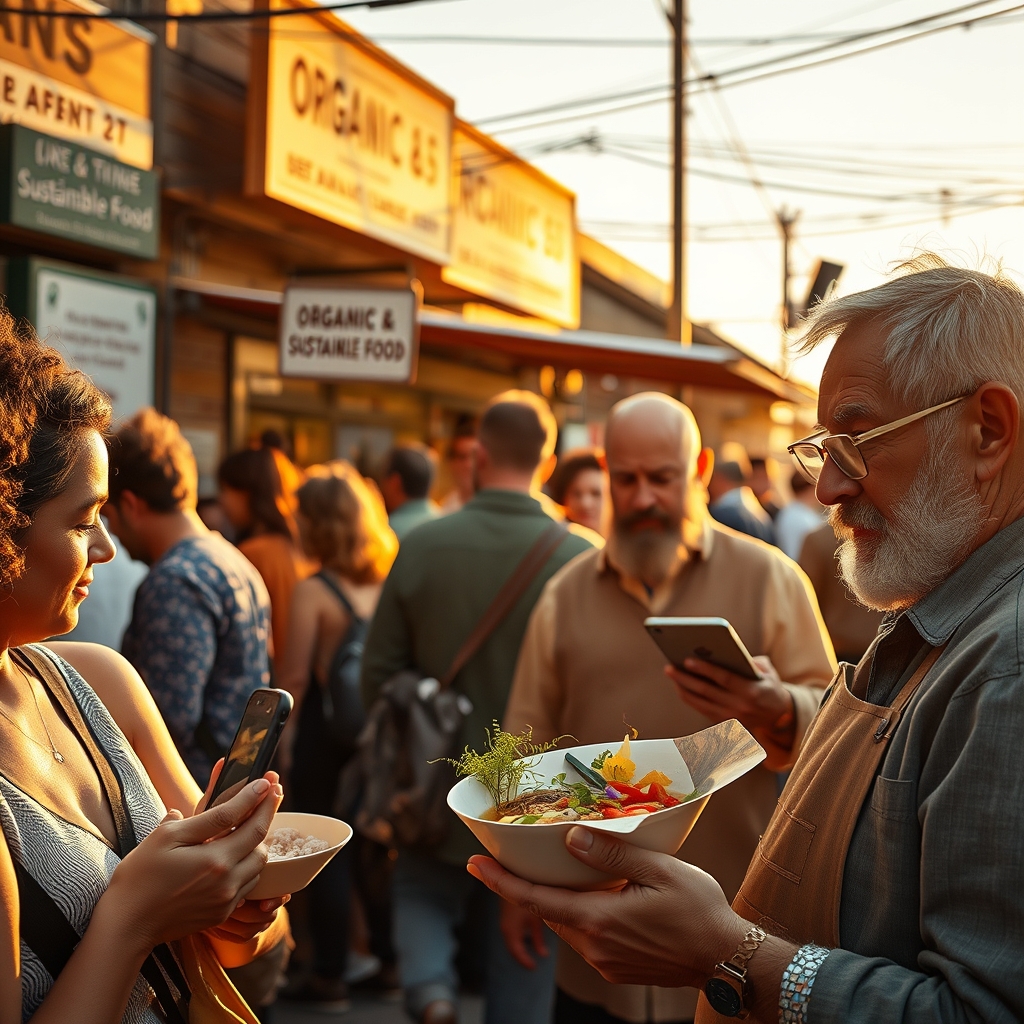
Street food is shedding its reputation for being greasy or unhealthy. In 2026, vendors are prioritizing organic and sustainable food practices, such as compostable packaging and locally sourced ingredients. In Bangkok, Jay Fai’s Michelin-starred street food stall now uses organic coconut milk and free-range eggs, while in Mexico City, El Cardenal’s pop-up stands serve churros made with fair-trade chocolate and heritage corn.
Fusion flavors are also on the rise. Look for plant-based delights like jackfruit tacos in Los Angeles or vegan bao buns in Taipei, where chefs are reimagining traditional dishes with modern twists. For dessert lovers, Sweet Avenue (a global network of pastry vendors) offers Instagram-famous treats like matcha croissants and black sesame mochi, often made with alternative flours and natural sweeteners.
How Can You Identify High-Quality Street Food?
- Hygiene standards: Look for vendors with visible handwashing stations, gloves, and food covers to protect against contaminants.
- Local popularity: Stalls with long lines of locals are usually a safe bet—use apps like StreetFood to find hidden gems.
- Ingredient transparency: Many vendors now display sourcing information, such as “organic tofu” or “grass-fed beef,” to attract health-conscious diners.
How Can You Capture Food Like a Pro in 2026?
Food styling and photography has evolved beyond staged flat lays. In 2026, authenticity is key—think candid shots of steam rising from a bowl of ramen or a close-up of a chef’s hands shaping pasta. Natural lighting is non-negotiable, and props are minimal: a single sprig of herbs or a rustic wooden board is often enough to elevate a dish.
For gourmet home cooking enthusiasts, platforms like TikTok and Instagram Reels favor short, dynamic videos. Use your phone’s slow-motion feature to capture pouring sauces or melting cheese, and edit with apps like CapCut to add text overlays or music. If you’re reviewing kitchen gadgets, film them in action—show how a spiralizer transforms zucchini into noodles or how an air fryer crisps up tofu without oil.
What Are the Best Tools for Food Photography in 2026?
- Smartphone accessories: Clip-on lenses (like Moment’s macro lens) help capture tiny details, while portable LED panels ensure even lighting.
- Editing apps: Lightroom Mobile and VSCO offer presets tailored for food, enhancing colors without over-saturating them.
- Tripods and gimbals: For steady video shots, invest in a compact tripod or a handheld gimbal like DJI Osmo Mobile.
Which Kitchen Gadgets Are Worth the Investment in 2026?
Not all kitchen gadgets are created equal. In 2026, the focus is on multi-functional, sustainable tools that save time and reduce waste. The Thermapen ONE thermometer, for example, delivers instant, accurate readings to prevent overcooking, while the Ninja Foodi combines air frying, pressure cooking, and dehydrating in one appliance. For plant-based delights, the Vitamix E310 excels at blending silky nut milks and creamy soups, and its self-cleaning feature is a game-changer.
Budget-conscious cooks should prioritize gadgets that replace single-use items. The Stasher Bag (a reusable silicone storage bag) eliminates plastic waste, and the U-Konserve nesting containers are perfect for meal prep. For food styling, a set of microgreens or edible flowers can transform a simple dish into a restaurant-worthy plate.
Your 2026 food adventure starts with curiosity and a willingness to experiment. Whether you’re booking a culinary tour in Marrakech, snapping photos of street food in Hanoi, or testing a new kitchen gadget at home, the key is to savor the process. Pack a reusable water bottle, download a few trusted apps, and let your taste buds lead the way—every meal is an opportunity to discover something unforgettable.
