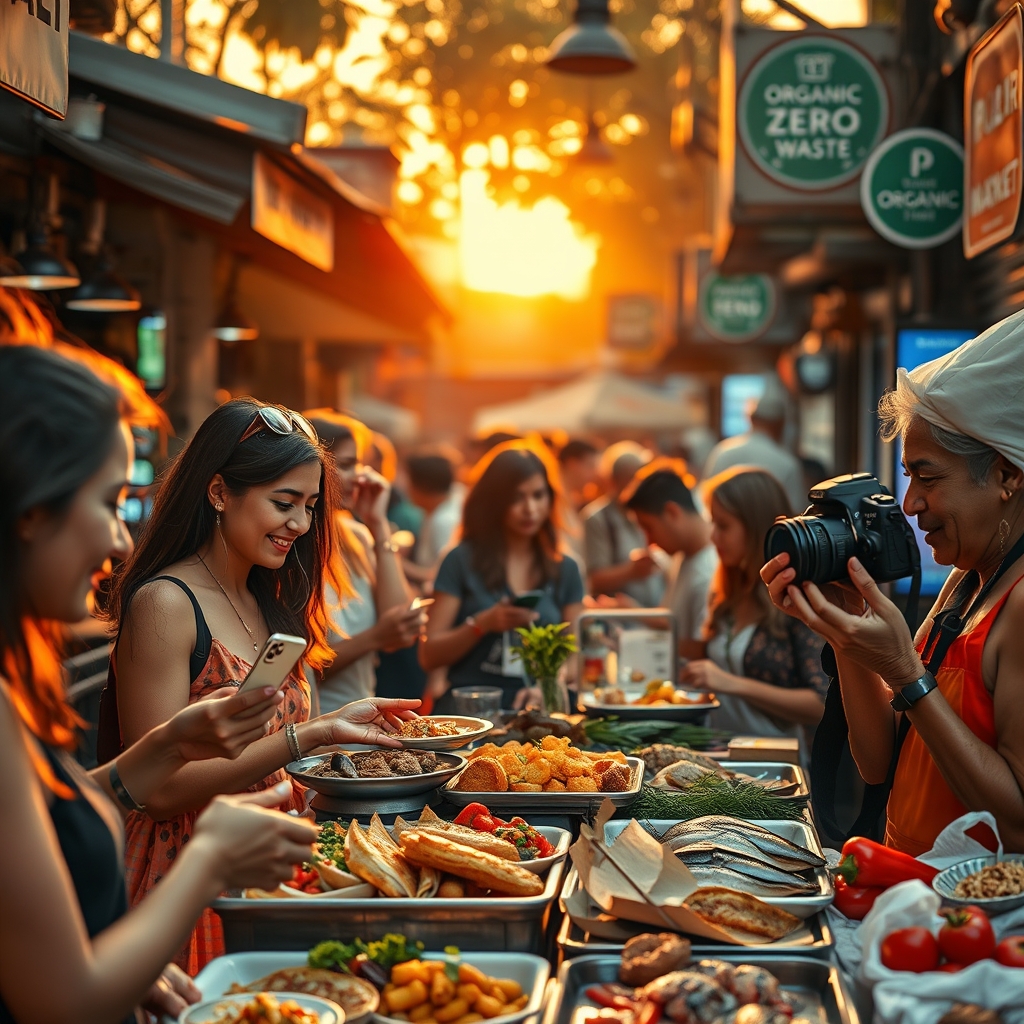
2026’s Essential Foodie Handbook: How to Savor Culinary Tours, Street Food, and Restaurant Tech Like a Pro
Planning a culinary tour in 2026 but unsure where to start? This guide cuts through the noise to show you how to experience the best of culinary tourism, from hidden street food stalls to cutting-edge restaurant tech. You’ll learn how to navigate plant-based menus, capture stunning food photography, and even recreate gourmet dishes at home—all while staying on budget. Whether you’re a traveler, home cook, or tech-savvy foodie, these strategies will help you eat, explore, and savor like a local.
Key Takeaways
- Discover how restaurant tech like AI-driven menus and contactless dining is reshaping the way we eat out in 2026.
- Learn where to find the most authentic street food experiences and how to identify sustainable, organic vendors.
- Master food styling and photography with simple gadgets and lighting tricks to elevate your social media game.
- Get insider tips for budget-friendly eats without sacrificing quality or flavor.
How Can You Experience the Best Culinary Tours in 2026?
Culinary tours are no longer just about tasting food—they’re about immersing yourself in a destination’s culture, history, and innovation. In 2026, look for tours that blend street food chronicles with behind-the-scenes access to local markets, artisanal producers, and even urban farms. For example, cities like Lisbon and Bangkok now offer plant-based delights tours, where you can sample vegan versions of traditional dishes while learning about sustainable farming practices.
To find the best tours, prioritize those led by local chefs or food historians who can provide context beyond the plate. Apps like Eatwith and Withlocals curate experiences with verified hosts, ensuring authenticity. If you’re traveling with dietary restrictions, book tours that explicitly mention organic and sustainable food options—many now include filters for gluten-free, vegan, or allergy-friendly stops.
What Should You Look for in a Modern Culinary Tour?
First, check if the tour incorporates restaurant tech like augmented reality (AR) menus or QR code-based storytelling. Some tours in Tokyo and Barcelona now use AR to overlay historical images of dishes or neighborhoods, adding depth to the experience. Second, seek out tours that include hands-on elements, such as cooking classes or tastings with producers. For instance, a gourmet home cooking segment might teach you how to make pasta from scratch using locally sourced ingredients.
Finally, read reviews to gauge whether the tour balances popular spots with hidden gems. A well-designed tour should introduce you to both iconic dishes and lesser-known street food vendors that locals love.
Where Can You Find the Most Authentic Street Food in 2026?
Street food remains the heartbeat of culinary tourism, but in 2026, the focus has shifted toward sustainability and hygiene. Look for vendors that use biodegradable packaging, locally sourced ingredients, and energy-efficient cooking methods. Cities like Mexico City and Hanoi are leading the way with organic and sustainable food markets that prioritize zero-waste practices. For example, Mexico City’s Mercado de San Juan now features stalls with carbon-neutral certifications, making it easier to eat responsibly while exploring.
To identify the best street food spots, follow these steps:
- Observe the crowd: Locals know best—if a stall has a long line of residents, it’s likely worth the wait.
- Check for transparency: Vendors who display ingredient sourcing or preparation methods are often more trustworthy.
- Use tech tools: Apps like StreetFoodApp and Foodie provide real-time reviews and hygiene ratings for street food vendors in major cities.
How Can You Recreate Street Food at Home?
Bringing the flavors of your travels into your kitchen is easier than ever, thanks to kitchen gadget reviews and online tutorials. Start with versatile tools like an air fryer or a cast-iron skillet, which can replicate the crispy textures of street food. For example, you can make plant-based delights like jackfruit tacos or crispy falafel with minimal oil and maximum flavor.
For authentic recipes, seek out YouTube channels or blogs run by street food vendors or local chefs. Many now offer step-by-step guides for dishes like Thai pad see ew or Indian chaat, complete with tips for sourcing ingredients. If you’re new to cooking, invest in a multi-cooker like the Instant Pot, which can handle everything from slow-cooked stews to quick stir-fries.
What Restaurant Tech Trends Should You Watch in 2026?
Restaurants are embracing technology to enhance efficiency and personalization. In 2026, expect to see more AI-driven menus that adapt to your dietary preferences or past orders. For instance, some high-end restaurants in Singapore and New York now use AI to suggest wine pairings based on your meal choices. Another trend is contactless dining, where you can order, pay, and even request refills via a QR code on your table—no server required.
Sustainability is also driving innovation. Many restaurants now use apps like Too Good To Go to sell surplus food at discounted prices, reducing waste. For a deeper dive into how tech is transforming dining, check out the National Restaurant Association’s 2026 State of the Industry report, which highlights emerging trends like robotic chefs and blockchain-based supply chain tracking.
How Can You Use Tech to Find Budget-Friendly Eats?
Tech isn’t just for high-end dining—it’s also a powerful tool for finding budget-friendly eats. Apps like Yelp and Google Maps now include filters for price ranges and user-generated deals. For example, you can set a budget of $10-$15 per meal and sort by ratings to find highly recommended spots that won’t break the bank.
Another strategy is to follow food bloggers or influencers who specialize in affordable dining. Many share real-time updates on happy hour specials, lunch deals, or food truck festivals. If you’re traveling, consider using apps like Eatwith to book home-cooked meals with locals, which are often cheaper and more authentic than restaurant dining.
How Can You Capture Stunning Food Photography in 2026?
Food styling and photography have evolved from a niche hobby to a must-have skill for foodies. In 2026, the focus is on authenticity and storytelling. Start with natural light—position your dish near a window and use a reflector (even a white foam board) to soften shadows. For close-ups, invest in a macro lens or use your smartphone’s portrait mode to blur the background and draw attention to the food.
To elevate your photos, experiment with props like vintage cutlery, linen napkins, or fresh herbs. For example, a sprinkle of chopped parsley or a drizzle of sauce can add texture and color. If you’re shooting in low light, use a small LED ring light or a portable softbox to avoid harsh shadows. For inspiration, follow hashtags like #FoodStyling or #GourmetHomeCooking on Instagram, where professionals share behind-the-scenes tips.
What Gadgets Can Help You Take Better Food Photos?
Kitchen gadget reviews often highlight tools that double as photography aids. For example, a handheld steamer can refresh wilted greens, while a spray bottle can add a dewy finish to fruits and vegetables. For editing, apps like VSCO and Lightroom Mobile offer presets designed specifically for food photography, helping you achieve a consistent look across your posts.
If you’re serious about improving your skills, consider taking a short course on platforms like Skillshare or Udemy. Many courses cover advanced techniques like flat lays, action shots (e.g., pouring syrup), and even video content for platforms like TikTok and Reels.
Ready to put these tips into action? Start by researching culinary tours in your next destination or experimenting with a new street food recipe at home. Whether you’re snapping photos for social media or savoring a meal at a tech-forward restaurant, 2026 offers endless opportunities to explore the world through food—one bite at a time.
