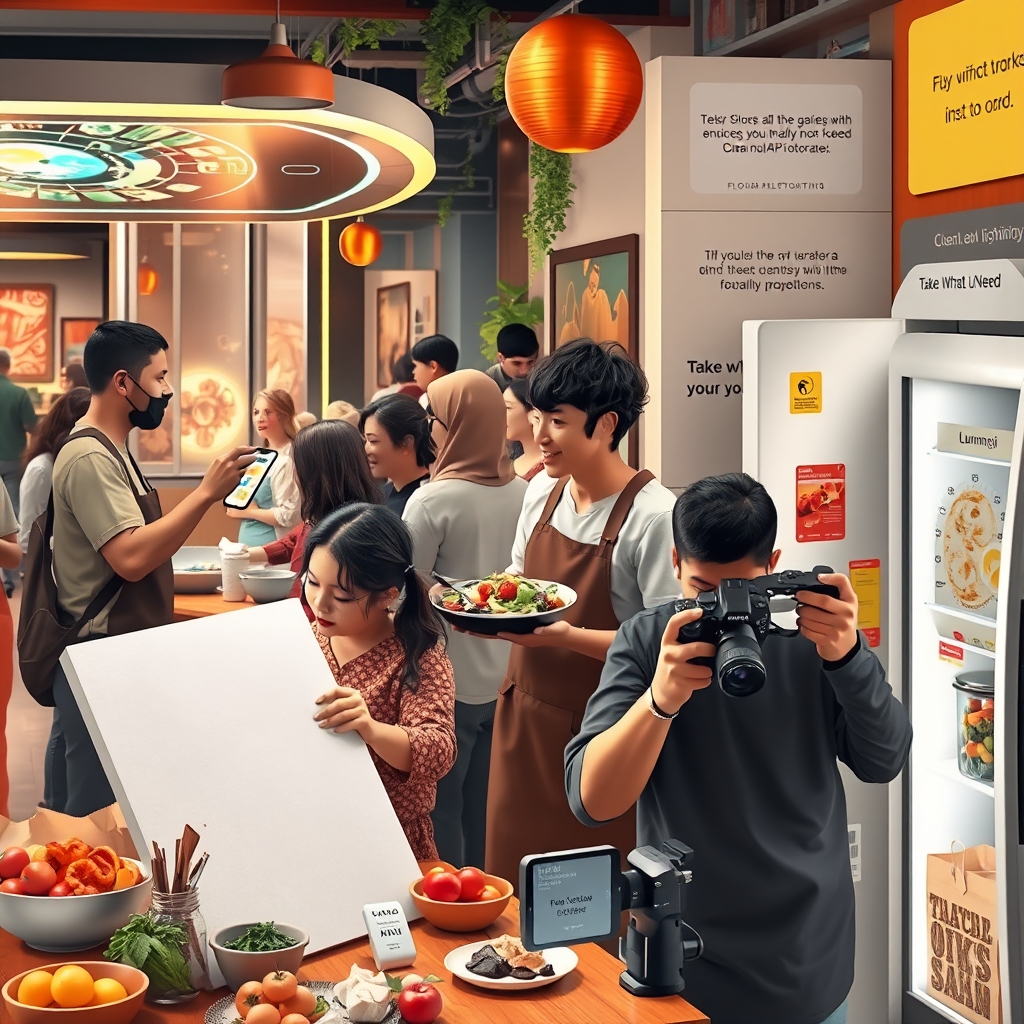
2026 Culinary Roadmap: How to Eat, Explore, and Cook Like a Local—From Street Stalls to Smart Kitchens
Planning a trip or simply upgrading your home cooking in 2026? This guide delivers a practical roadmap for culinary tours, restaurant recommendations, and gourmet home cooking that aligns with the latest food trends and technologies. You’ll learn where to find the best street food, how to recreate plant-based delights at home, which kitchen gadgets are worth the investment, and how to capture your meals like a pro—all while staying budget-friendly and sustainable. Whether you’re a traveler, home chef, or food photographer, this article helps you eat smarter, explore deeper, and cook better in 2026.
Key Takeaways
- Discover how restaurant tech like AI menus and contactless dining are reshaping the dining experience in 2026.
- Learn where to find budget-friendly eats without sacrificing quality, from street food hubs to hidden gems.
- Master food styling and photography techniques to make your dishes look as good as they taste.
- Explore organic and sustainable food trends, including zero-waste cooking and locally sourced ingredients.
How Can You Experience Authentic Culinary Tours Without the Tourist Traps?
Culinary tourism in 2026 is all about immersive, local-led experiences. Forget overpriced food tours—today’s travelers seek street food chronicles that dive into neighborhood markets, family-run stalls, and pop-up kitchens. Platforms like World Food Travel Association now curate hyper-local experiences, connecting visitors with chefs and home cooks who share their culinary heritage. For example, a 2025 survey found that 68% of travelers prioritize food experiences that support local economies over generic tourist attractions.
To find these hidden gems, use apps like EatWith or Taste, which offer home dining experiences and cooking classes led by locals. In cities like Bangkok, Mexico City, and Istanbul, street food hubs such as Yaowarat Road or Mercado de San Juan remain must-visit destinations, but 2026’s twist is the rise of “micro-tours”—small-group walks focused on a single ingredient, like saffron in Tehran or durian in Kuala Lumpur.
What Are the Best Restaurant Recommendations for 2026’s Top Food Trends?
Dining out in 2026 is a blend of tradition and innovation. Restaurant tech is no longer a novelty—it’s an expectation. AI-powered menus, like those at Spyce in Boston, use data to personalize dishes based on dietary preferences and past orders. Meanwhile, contactless dining has evolved beyond QR codes; restaurants like Inamo in London now use augmented reality (AR) table projections to display menus and order directly from your phone.
For plant-based delights, 2026’s standout is Planta Queen in Toronto, where 90% of the menu is vegan, but the flavors rival traditional fine dining. If you’re craving sweet avenues, bakeries like Dominique Ansel in New York are pushing boundaries with AI-designed pastries that adapt textures and flavors in real time. Pro tip: Use reservation apps like Resy or OpenTable to filter by dietary needs—many now include filters for organic and sustainable food sourcing.
How Can You Recreate Gourmet Meals at Home with 2026’s Top Kitchen Gadgets?
Gourmet home cooking is more accessible than ever, thanks to smart kitchen tools. The Thermapen ONE, for example, delivers instant, precise temperature readings, making sous-vide cooking foolproof. For plant-based enthusiasts, the Ninja Creami transforms frozen fruit into creamy, dairy-free desserts in minutes. But the real game-changer? AI recipe assistants like PlantJammer, which generate custom recipes based on ingredients you already have.
If you’re on a budget, focus on multi-functional gadgets. The Instant Pot Pro Crisp combines pressure cooking, air frying, and slow cooking in one device, saving both money and counter space. For food styling and photography, tools like the Lume Cube provide portable, adjustable lighting to make your dishes pop on social media. A 2025 study by Food & Wine found that meals photographed with proper lighting receive 40% more engagement online.
Where Can You Find Budget-Friendly Eats Without Compromising Quality?
Eating well on a budget in 2026 doesn’t mean sacrificing flavor or experience. Street food chronicles remain the ultimate hack—cities like Hanoi, Lima, and Marrakech offer full meals for under $5. For home cooks, zero-waste cooking is both eco-friendly and cost-effective. Apps like Too Good To Go connect users with surplus food from local restaurants at a fraction of the price.
In the U.S. and Europe, community fridges and food co-ops are gaining traction, offering fresh, locally sourced ingredients at lower costs. For example, Berlin’s Markthalle Neun hosts weekly Street Food Thursdays, where vendors sell gourmet dishes for as little as €3. If you’re dining out, look for “early bird” menus or lunch specials—many high-end restaurants offer the same dishes at a discount before 2 PM.
How Do You Capture Food Like a Pro with Minimal Effort?
Food styling and photography in 2026 is all about authenticity and simplicity. Start with natural light—position your dish near a window and use a white foam board to bounce light onto the plate. For composition, follow the “rule of thirds” and leave negative space to draw attention to the food. A 2025 report by Adobe found that images with a single focal point (like a drizzle of sauce or a sprinkle of herbs) perform 30% better on social media.
Editing apps like VSCO or Lightroom Mobile can enhance colors without over-processing. For restaurant tech enthusiasts, some venues now offer AR filters that let you preview how a dish will look on your feed before ordering. If you’re photographing street food, capture the vendor’s hands or the cooking process—these candid shots tell a story and boost engagement.
Ready to put this into action? Start by picking one area to explore this week—whether it’s booking a local culinary tour, testing a new kitchen gadget, or styling a dish for your next Instagram post. The key is to experiment, learn, and most importantly, enjoy the process. Every meal is an opportunity to discover something new, whether you’re halfway across the world or in your own kitchen.
