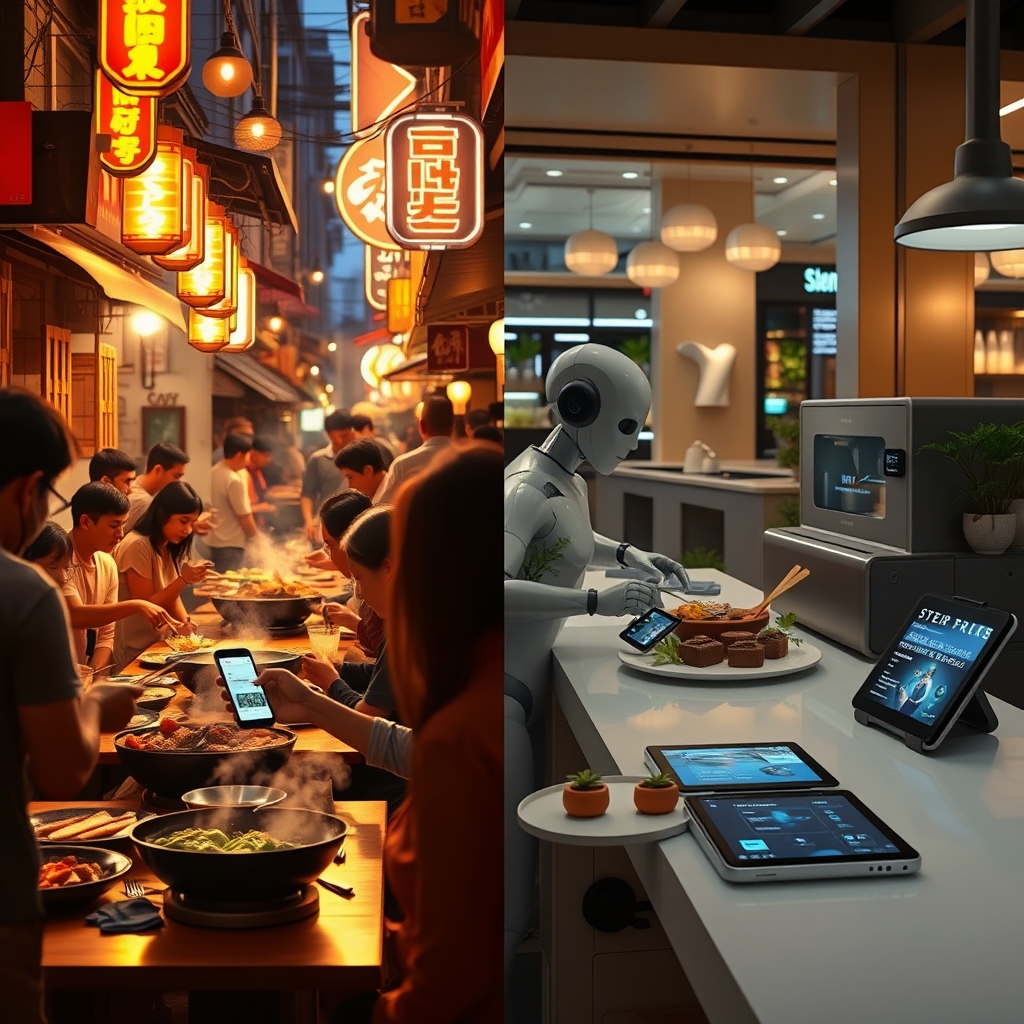
2026’s Ultimate Culinary Playbook: How to Eat, Cook, and Explore Like a Pro—From Street Food to Smart Kitchens and Beyond
Planning a culinary adventure in 2026? Whether you’re a traveler hunting for the best street food, a home cook mastering gourmet techniques, or a tech-savvy foodie exploring restaurant innovations, this guide delivers actionable insights to elevate your dining and cooking experiences. You’ll discover how to curate unforgettable culinary tours, uncover hidden gems in global food scenes, and integrate the latest kitchen tech and sustainable practices into your routine—all while staying on budget. Let’s dive into the trends, tools, and techniques shaping the future of food.
Key Takeaways
- Culinary tourism in 2026 prioritizes immersive, hyper-local experiences—think street food crawls with augmented reality guides and chef-led workshops.
- Restaurant tech is transforming dining with AI-driven menus, contactless payments, and zero-waste kitchens, making meals faster, smarter, and more sustainable.
- Plant-based and organic dining are no longer niche; they’re mainstream, with 68% of global consumers actively seeking sustainable options (source: NielsenIQ 2023 Sustainability Report).
- Budget-friendly eats don’t mean sacrificing quality—learn how to find affordable gourmet meals and replicate them at home with smart kitchen gadgets.
How Can You Design a Culinary Tour That Goes Beyond the Guidebook?
Forget generic food tours—2026’s culinary travelers crave authenticity, storytelling, and hands-on engagement. Start by mapping out neighborhoods known for their street food culture, like Bangkok’s Yaowarat Road or Mexico City’s Mercado de San Juan. Use apps like Eatwith or Withlocals to book private dining experiences with home cooks or local chefs, where you’ll learn to prepare regional dishes using traditional methods. Augmented reality (AR) apps, such as Google Lens, can now translate menus in real time and provide historical context about the dishes you’re sampling, adding depth to your exploration.
To maximize your experience, focus on seasonal and hyper-local ingredients. For example, plan your visit to Italy during truffle season (October–November) or Japan for cherry blossom-inspired kaiseki meals in spring. Many cities now offer farm-to-table tours, where you can visit urban farms or rooftop gardens that supply top restaurants. These tours often include tastings and cooking demos, giving you a behind-the-scenes look at how sustainability is reshaping modern dining.
What Are the Must-Try Street Food Destinations in 2026?
Street food remains the heartbeat of culinary tourism, offering a direct line to a city’s culture and history. In 2026, these destinations are leading the charge with innovative twists on classic flavors:
- Singapore’s Hawker Centres: Beyond the Michelin-starred stalls, explore newer spots like Hawker Chan’s soy sauce chicken rice or Liao Fan Hong Kong Soya Sauce Chicken Rice & Noodle, where digital ordering kiosks and automated wok stations are becoming the norm.
- Istanbul’s Balık Ekmek: This simple grilled fish sandwich has gotten a gourmet upgrade, with vendors offering sustainably sourced seafood and organic toppings. Pair it with a Turkish coffee brewed via smart, temperature-controlled machines.
- Oaxaca’s Tlayudas: Known as “Mexican pizza,” these crispy tortillas are now being reinvented with plant-based cheeses and heirloom corn, catering to the growing demand for vegan street food.
- Seoul’s Gwangjang Market: A hotspot for bindaetteok (mung bean pancakes) and kimbap, this market is embracing tech with QR code menus and contactless payment systems, making it easier than ever to navigate.
How Is Restaurant Tech Redefining the Dining Experience?
Restaurants in 2026 are leveraging technology to enhance efficiency, sustainability, and personalization. AI-driven reservation systems, like SevenRooms, now predict your preferences based on past orders, dietary restrictions, and even your mood (tracked via subtle biometric data from wearable devices). Once seated, expect to interact with digital menus that adjust in real time based on ingredient availability, reducing food waste by up to 30% in some establishments.
Kitchens are also getting smarter. Robotic chefs, such as Spyce’s automated wok stations, can prepare meals with precision, while 3D food printers are being used to create intricate desserts and plant-based meat alternatives. For diners, this means faster service, consistent quality, and the ability to customize dishes down to the gram. Sustainability is another key focus—many restaurants now use compostable packaging and closed-loop water systems, while apps like Too Good To Go help reduce food waste by connecting users with surplus meals at discounted prices.
What Kitchen Gadgets Are Worth the Investment in 2026?
If you’re looking to upgrade your home cooking setup, these gadgets are game-changers:
- Smart Sous Vide Circulators: Devices like the Anova Precision Cooker now sync with recipe apps to guide you through gourmet meals, adjusting temperature and time automatically. They’re ideal for perfecting proteins, infusing flavors, and even making desserts like crème brûlée.
- Multi-Functional Air Fryers: Beyond frying, models like the Ninja Foodi can pressure cook, dehydrate, and bake, making them a budget-friendly alternative to multiple appliances. Look for models with carbon footprint trackers to monitor your energy usage.
- AI-Powered Recipe Assistants: Tools like PlantJammer or Chefling use machine learning to suggest recipes based on the ingredients you have on hand, reducing food waste and inspiring creativity. Some even integrate with smart scales to ensure precise measurements.
- Automated Herb Gardens: Compact systems like AeroGarden allow you to grow fresh herbs, greens, and even dwarf vegetables year-round, making organic cooking more accessible and sustainable.
How Can You Eat Gourmet on a Budget in 2026?
Eating well doesn’t have to break the bank. Start by exploring lunch specials at high-end restaurants, where you can often enjoy the same dishes as dinner service at a fraction of the price. Apps like Resy or OpenTable highlight these deals, while Taste offers last-minute discounts on premium dining experiences. Another strategy is to visit food halls, which bring together multiple vendors under one roof—think Chelsea Market in New York or Time Out Market in Lisbon. These spaces offer diverse, high-quality options at lower price points than traditional restaurants.
At home, focus on batch cooking and meal prepping to save time and money. Invest in versatile ingredients like lentils, quinoa, and frozen vegetables, which can be used in multiple dishes. Smart kitchen gadgets, such as instant pots or multi-cookers, can help you prepare restaurant-quality meals with minimal effort. For example, a single pot of dal makhani can be transformed into a week’s worth of meals, from wraps to soups to grain bowls.
What Are the Top Plant-Based and Sustainable Food Trends for 2026?
Plant-based dining is no longer just for vegans—it’s a mainstream movement driven by health, environmental, and ethical concerns. In 2026, expect to see more hybrid proteins, which blend plant-based ingredients with lab-grown or cultured meat to create products that mimic the taste and texture of traditional animal proteins. Brands like Impossible Foods and Beyond Meat are leading the charge, but smaller startups are innovating with ingredients like mushroom-based bacon and fermented pea protein.
Sustainability is also shaping how we source and consume food. Regenerative agriculture, which focuses on restoring soil health and biodiversity, is gaining traction among farmers and chefs alike. Look for labels like Regenerative Organic Certified (ROC) when shopping for produce, meat, or dairy. Additionally, upcycled foods—products made from ingredients that would otherwise go to waste—are becoming more popular. Examples include snacks made from spent grain (a byproduct of beer brewing) or fruit jerky crafted from imperfect produce.
How Can You Capture Your Culinary Adventures Like a Pro?
Food styling and photography are essential skills for documenting your culinary journey, whether for social media or personal memories. Start by mastering natural light—position your dish near a window and use a reflector (even a white piece of paper) to soften shadows. For composition, follow the rule of thirds and experiment with angles: overhead shots work well for flat lays, while 45-degree angles highlight texture and depth.
Editing apps like Lightroom or VSCO can enhance your photos without overdoing it. Focus on adjusting exposure, contrast, and white balance to make your food look vibrant and appetizing. If you’re shooting video, use a stabilizer or tripod to keep your footage smooth, and consider adding close-up shots of ingredients or cooking techniques to tell a story. For inspiration, follow food photographers like @dennistheprescott or @lindsayostrom, who excel at capturing the beauty of everyday meals.
As you plan your culinary adventures in 2026, remember that the best experiences are those that connect you to the people, places, and stories behind the food. Whether you’re savoring street food in Hanoi, experimenting with plant-based recipes at home, or dining at a tech-forward restaurant in Tokyo, let curiosity be your guide. Start by picking one trend or destination from this guide and take the first step—your next unforgettable meal is waiting.
