2026’s Hidden Gems: How to Discover Authentic Eats, Master Gourmet Cooking, and Capture Food Like a Pro—Without Breaking the Bank
Planning a culinary tour in 2026 means more than just ticking off Michelin-starred restaurants—it’s about uncovering street food chronicles that tell a city’s story, mastering gourmet home cooking with smart kitchen gadgets, and capturing plant-based delights through food styling and photography. Whether you’re a budget-conscious traveler, a tech-savvy home chef, or a sustainability-focused foodie, this guide will help you navigate the latest trends in culinary tourism, restaurant tech, and organic eating while keeping your wallet (and your Instagram feed) full.
Key Takeaways
- Discover how to blend culinary tours with local street food scenes for an authentic, budget-friendly experience.
- Learn which kitchen gadgets and restaurant tech trends are worth investing in for gourmet home cooking in 2026.
- Master food styling and photography techniques to elevate your plant-based and organic dishes visually.
- Explore sustainable and budget-friendly eats without sacrificing flavor or quality.
How Can You Turn a Culinary Tour into a Street Food Adventure?
Culinary tourism in 2026 isn’t just about fine dining—it’s about diving into the heart of a city through its street food chronicles. Start by researching neighborhoods known for their local eats, like Bangkok’s Chinatown for crispy pork skewers or Mexico City’s Mercado de San Juan for chapulines (grasshoppers). Apps like TasteAtlas provide crowdsourced rankings of authentic street food, helping you avoid tourist traps and find hidden gems. Pair your food crawl with a local guide or cooking class to learn the stories behind the dishes—many cities now offer immersive experiences that combine street food with cultural history.
For budget-friendly eats, timing is everything. Visit markets during off-peak hours to snag discounts on fresh produce or artisanal goods. In Lisbon, for example, Time Out Market vendors often reduce prices an hour before closing. Similarly, night markets in Taipei and Singapore offer smaller portions at lower costs, perfect for sampling without overspending. Pro tip: Carry a reusable container to take leftovers home—many vendors will happily pack up your favorites.
What Restaurant Tech and Kitchen Gadgets Are Worth Your Investment in 2026?
Restaurant tech is transforming how we dine out and cook at home. In 2026, expect to see more AI-driven reservation systems that predict wait times and suggest personalized menus based on dietary preferences. Apps like Resy and OpenTable are already integrating these features, making it easier to secure a table at high-demand spots. For home cooks, smart kitchen gadgets like the Thermomix TM6 or Ninja Foodi SmartLid are bridging the gap between professional and gourmet home cooking, offering precision temperature control and multi-functionality in one device.
If you’re on a budget, focus on versatile tools that save time and space. The Instant Pot Pro Crisp remains a favorite for its ability to pressure cook, air fry, and slow cook, while the Anova Precision Cooker brings sous-vide cooking to your countertop for restaurant-quality results. For plant-based delights, gadgets like the Almond Cow (a nut milk maker) or Tofu Press can help you create creamy sauces or crispy tofu without the hassle. Check out reviews from trusted sources like Wirecutter or America’s Test Kitchen to avoid gimmicky products.
How Can You Use Food Styling and Photography to Showcase Your Dishes?
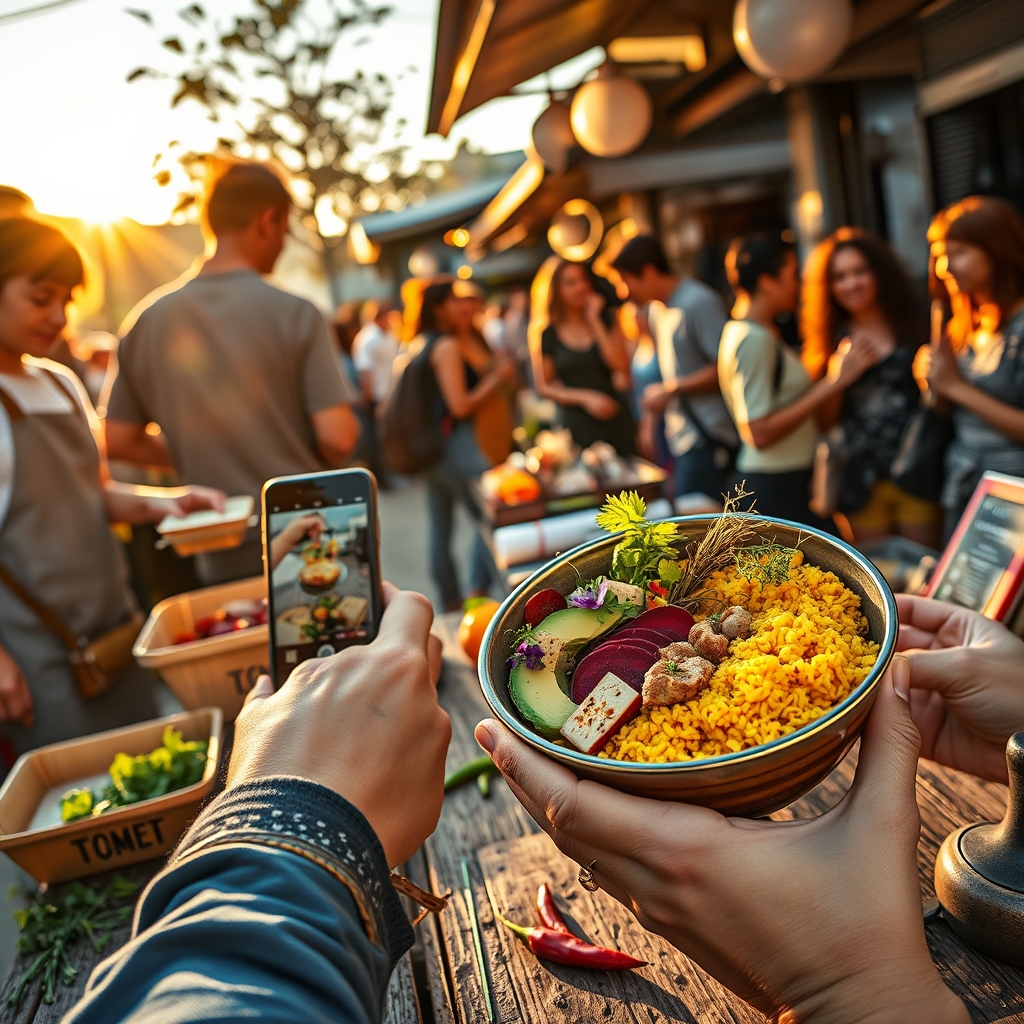
Food styling and photography are no longer just for professionals. With a few simple techniques, you can turn your plant-based delights or budget-friendly eats into Instagram-worthy shots. Start with natural light—position your dish near a window and avoid harsh overhead lighting. Use props like textured cutting boards, vintage utensils, or fresh herbs to add depth without clutter. For plant-based dishes, focus on vibrant colors: think bright green pesto, deep red beetroot hummus, or golden turmeric-infused rice.
When photographing street food, capture the environment to tell a story. A close-up of a steaming bao bun is great, but a wider shot of the bustling market stall or the vendor’s hands assembling your order adds context. Use editing apps like Lightroom Mobile or VSCO to enhance colors and contrast, but keep it natural—over-editing can make food look unappetizing. If you’re sharing your gourmet home cooking, consider a flat-lay setup with ingredients scattered around the finished dish to highlight the cooking process.
Where Can You Find Organic and Sustainable Food Without the Premium Price Tag?
Organic and sustainable food doesn’t have to break the bank. In 2026, more cities are embracing farmers’ markets and community-supported agriculture (CSA) programs, which offer fresh, locally grown produce at lower prices than supermarkets. Look for markets that accept SNAP benefits or offer “ugly produce” discounts—imperfect fruits and vegetables that taste just as good. Apps like Too Good To Go connect users with restaurants and grocery stores selling surplus food at a fraction of the cost, reducing waste while saving you money.
For home cooks, growing your own herbs or microgreens is a cost-effective way to add freshness to meals. Kits like Click & Grow make it easy to cultivate basil, mint, or cherry tomatoes indoors, even in small spaces. When dining out, seek restaurants that prioritize sustainability, such as those certified by the Green Restaurant Association. These spots often feature plant-based delights and locally sourced ingredients, giving you a guilt-free (and delicious) dining experience.
What Are the Best Budget-Friendly Eats for Culinary Travelers?
Budget-friendly eats don’t mean sacrificing flavor or authenticity. In 2026, street food remains the ultimate way to experience a city’s culinary culture without overspending. In Istanbul, a simit (sesame bread ring) costs less than $1, while in Hanoi, a bowl of pho can be found for under $3. For a sit-down meal, look for lunch specials at high-end restaurants—many offer prix-fixe menus at a fraction of dinner prices. In Tokyo, for example, sushi omakase lunches can be half the cost of evening service.
Another tip: Explore food halls and hawkers centers, which offer a variety of dishes under one roof. Singapore’s Maxwell Food Centre or Barcelona’s Mercat de Sant Antoni are perfect for sampling multiple cuisines in a single visit. If you’re cooking at home, bulk-buying staples like rice, beans, and spices from ethnic grocery stores can stretch your budget further. Pair these with fresh, seasonal produce to create gourmet meals without the gourmet price tag.
Whether you’re documenting your culinary tour with food styling and photography or experimenting with gourmet home cooking, 2026 offers endless opportunities to eat, explore, and create like never before. Start by mapping out a street food route in your next destination, investing in one or two versatile kitchen gadgets, and practicing your food photography skills with natural light. The world of food is evolving, and with these tips, you’ll be ready to savor every bite—without the hefty bill.
