2026’s Smart Food Explorer: How to Eat, Cook, and Capture the Best of Culinary Travel—From Street Stalls to High-Tech Kitchens
Planning a culinary tour in 2026 means navigating a landscape where street food chronicles, gourmet home cooking, and restaurant tech trends collide. Whether you’re hunting for budget-friendly eats, mastering plant-based delights, or capturing food styling and photography for social media, this guide helps you explore smarter. You’ll learn how to uncover hidden gems, use kitchen gadgets that save time, and dine sustainably—all while keeping costs in check. By the end, you’ll have a clear roadmap to elevate your food experiences, whether you’re traveling or cooking at home.
Key Takeaways
- Culinary tourism in 2026 blends street food, high-tech dining, and sustainable practices—prioritize destinations with strong local food cultures.
- Restaurant tech like AI-driven menus and contactless payments streamline dining, while plant-based options and organic ingredients dominate trends.
- Budget-friendly eats don’t mean sacrificing quality; use apps and local insights to find affordable gourmet experiences.
- Food styling and photography are essential for documenting your journey—natural lighting and minimal props create the most impact.
How Can You Find Authentic Street Food Without the Tourist Traps?
Street food chronicles in 2026 are all about authenticity. Skip the overpriced stalls near landmarks and head to neighborhoods where locals eat. Markets like Bangkok’s Or Tor Kor or Mexico City’s Mercado de San Juan offer fresh, affordable bites with deep cultural roots. Use apps like Foodie to crowdsource recommendations from residents, ensuring you’re getting the real deal.
Look for stalls with long lines—this is often a sign of quality. Avoid places with pre-cooked or reheated dishes; freshness is key. In cities like Singapore or Istanbul, night markets are treasure troves of flavor, where vendors specialize in one or two signature dishes. Ask locals for their favorites; many will happily share their go-to spots if you show genuine interest.
What Are the Best Tools for Documenting Your Street Food Adventures?
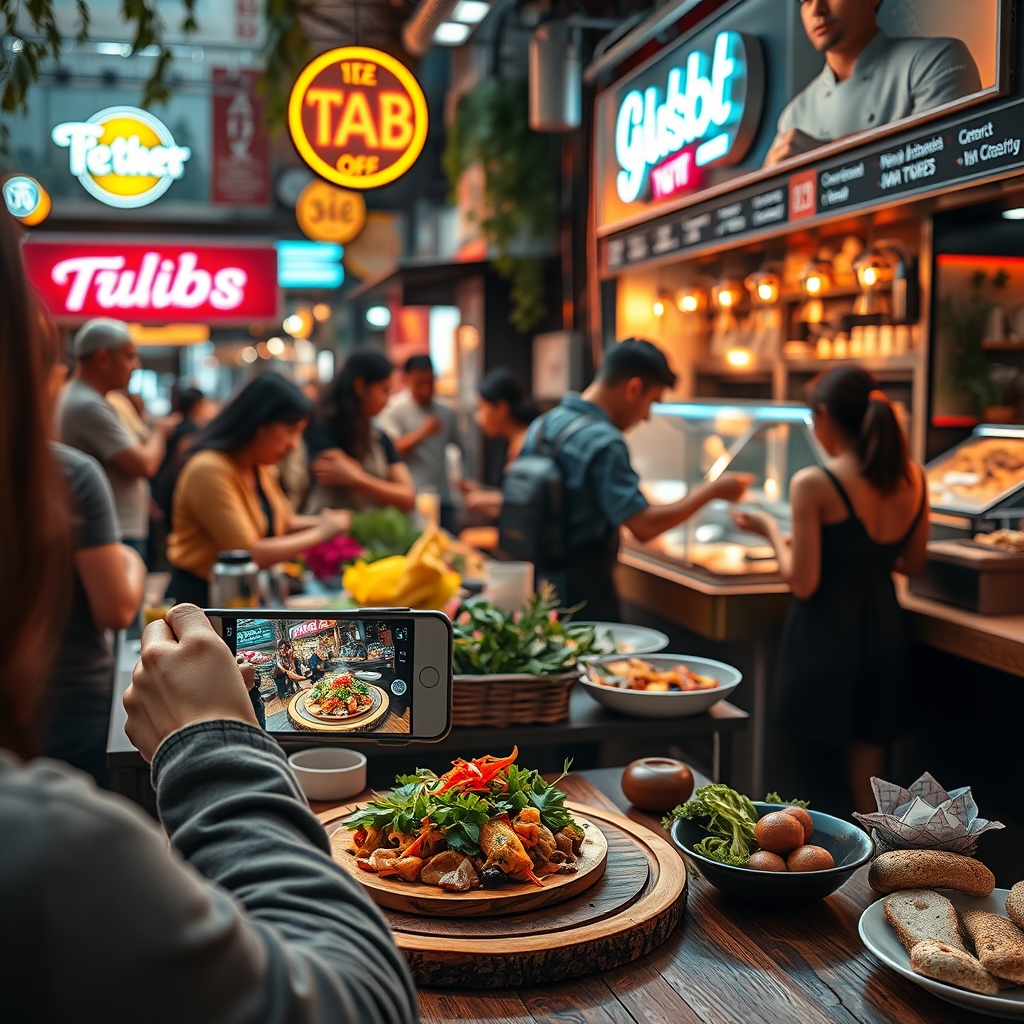
Food styling and photography are critical for capturing your culinary tourism experiences. Use natural light to highlight textures—early morning or late afternoon provides the best conditions. A portable reflector or a small LED panel can help soften shadows in dimly lit markets.
Minimal props work best. A simple wooden board or a rustic plate can elevate your shots without overpowering the food. For close-ups, focus on details like steam rising from a bowl of pho or the crispy edges of a taco. Apps like Snapseed or Lightroom Mobile offer quick edits to enhance colors and sharpness without overdoing it.
How Is Restaurant Tech Changing the Way We Dine in 2026?
Restaurant tech and trends are reshaping dining experiences. AI-driven menus personalize recommendations based on dietary preferences, while contactless payments and digital reservations streamline service. In cities like Tokyo and San Francisco, robotic chefs and automated kitchens are becoming commonplace, reducing wait times and improving consistency.
Sustainability is another major focus. Many restaurants now use compostable packaging and locally sourced ingredients to minimize their environmental impact. Tools like Too Good To Go help diners find surplus food at discounted prices, reducing waste while offering budget-friendly eats. For a deeper dive into sustainable dining practices, check out the UN’s Sustainable Development Goals, which outline global standards for responsible food consumption.
What Kitchen Gadgets Are Worth Investing In for Gourmet Home Cooking?
Gourmet home cooking in 2026 is easier with the right tools. Multi-functional gadgets like the Instant Pot or Thermomix save time and space, while precision cookers like the Anova sous vide ensure restaurant-quality results. For plant-based delights, a high-speed blender (e.g., Vitamix) is essential for smooth sauces and nut milks.
Smart scales and apps like Yummly sync with your devices to provide step-by-step guidance, making complex recipes more accessible. If you’re into organic and sustainable food, a countertop compost bin can help reduce kitchen waste while creating nutrient-rich soil for gardening.
How Can You Enjoy Sweet Avenue Without Breaking the Bank?
Sweet Avenue—bakery and dessert spots—doesn’t have to drain your wallet. Many patisseries offer discounted pastries at the end of the day, while food halls often feature rotating dessert vendors with affordable options. In cities like Paris or Vienna, look for “pâtisserie du jour” deals, where bakeries sell day-old but still delicious treats at a fraction of the price.
For home bakers, investing in a few key tools (e.g., a stand mixer, piping bags) can elevate your creations. Experiment with plant-based sweeteners like dates or coconut sugar for healthier alternatives. Online tutorials and baking communities provide endless inspiration for budget-friendly desserts.
What Are the Best Strategies for Capturing Food Styling and Photography?
Food styling and photography require attention to detail. Start with a clean, uncluttered background—neutral tones like white, gray, or wood work well. Use natural light whenever possible, and avoid harsh overhead lighting, which can create unflattering shadows.
Garnishes add visual appeal. Fresh herbs, edible flowers, or a drizzle of sauce can make a dish pop. For action shots, capture steam rising from a hot dish or a knife slicing through a cake. Editing apps like VSCO or Canva offer filters and tools to enhance your photos without losing their authenticity.
Your culinary journey in 2026 is about more than just eating—it’s about experiencing food as a cultural and technological evolution. Start by picking one area to explore, whether it’s street food chronicles, gourmet home cooking, or restaurant tech trends. Use the tools and strategies in this guide to make every bite, photo, and meal count. The next time you travel or cook at home, you’ll do it with confidence, creativity, and a deeper appreciation for the world of food.
