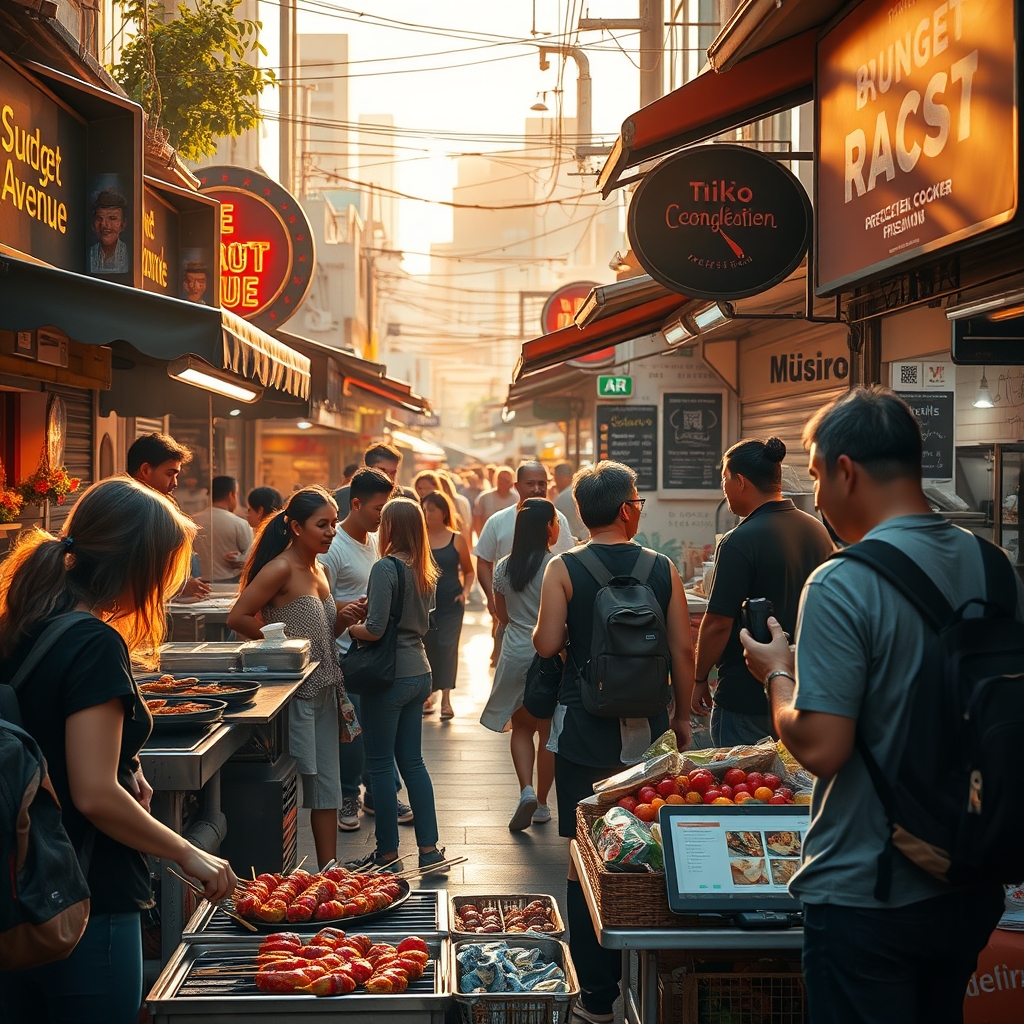
2026’s Smart Food Explorer: How to Curate Unforgettable Culinary Tours, Master Gourmet Home Cooking, and Dine with Confidence—From Street Food to Sustainable Eats
Planning a culinary tour in 2026 means more than just picking restaurants—it’s about curating experiences that blend authentic street food, gourmet home cooking, and cutting-edge restaurant tech. Whether you’re a traveler seeking restaurant recommendations, a home cook exploring plant-based delights, or a budget-conscious foodie hunting for budget-friendly eats, this guide will help you navigate the evolving food landscape with confidence. You’ll learn how to identify must-visit spots, leverage smart kitchen tools, and capture stunning food photography while staying ahead of trends like organic and sustainable dining.
Key Takeaways
- Use AI-powered apps and local food blogs to uncover hidden gems for culinary tourism and street food.
- Master gourmet home cooking with smart gadgets and plant-based techniques for healthier, flavorful meals.
- Optimize your budget with budget-friendly eats while still enjoying high-quality, sustainable dining.
- Elevate your food styling & photography with simple lighting tricks and composition tips for social media.
How Can You Discover Authentic Street Food and Hidden Culinary Gems in 2026?
Street food remains the heartbeat of culinary tourism, offering unfiltered access to local flavors. In 2026, travelers are turning to AI-driven platforms like TasteAtlas and Eater’s city guides to find off-the-beaten-path vendors. These tools analyze user reviews, ingredient sourcing, and cultural significance to rank the best street food chronicles globally. For example, Bangkok’s Jay Fai—a Michelin-starred street food stall—continues to draw crowds, proving that authenticity trumps ambiance.
Local food markets are another goldmine. Cities like Mexico City’s Mercado de San Juan and Istanbul’s Karaköy Güllüoğlu bakery district offer immersive experiences where you can sample everything from artisanal cheeses to sweet avenue desserts. To avoid tourist traps, prioritize stalls with long lines of locals—this is often a sign of quality and value.
Pro Tip: Use Tech to Your Advantage
Apps like Google Lens can translate menus in real time, while Too Good To Go helps you snag discounted meals from top vendors at the end of the day. These tools make budget-friendly eats accessible without sacrificing quality. For a deeper dive into sustainable street food practices, check out the UN’s Sustainable Development Goals, which highlight how food systems are evolving to reduce waste and support local economies.
What Are the Must-Have Kitchen Gadgets for Gourmet Home Cooking in 2026?
Gourmet home cooking is no longer reserved for professional chefs. Smart kitchen gadgets are democratizing high-end techniques, making it easier to replicate restaurant-quality dishes at home. The kitchen gadget reviews for 2026 highlight three game-changers: precision cookers like Anova’s Nano, multi-functional air fryer-toaster ovens, and AI-powered meal planners such as PlantJammer for plant-based delights.
Precision cookers, for instance, allow home cooks to sous-vide proteins to perfect doneness, while air fryers deliver crispy textures without excess oil. For those embracing organic & sustainable food, gadgets like Sow Right Seeds’ indoor herb gardens make it easy to grow fresh ingredients year-round. These tools not only save time but also reduce food waste—a win for both your wallet and the planet.
Data-Backed Insight: The Rise of Plant-Based Cooking
A 2025 report from Bloomberg Intelligence projected that the plant-based food market would reach $162 billion by 2030, driven by consumer demand for sustainable and health-conscious options. Home cooks are responding by investing in gadgets like NutriBullet’s high-speed blenders and Instant Pot’s plant-based preset programs. These innovations make it simple to create restaurant-worthy plant-based delights, from creamy cashew sauces to hearty lentil stews.
How Can You Dine Smartly with Restaurant Tech and Trends in 2026?
Restaurant tech is transforming the dining experience, from reservation systems to interactive menus. In 2026, expect to see more restaurants adopting QR code menus with augmented reality (AR) features, allowing diners to visualize dishes before ordering. Apps like OpenTable and Resy now offer AI-driven recommendations based on your past preferences, making it easier to discover restaurant recommendations tailored to your tastes.
Sustainability is also shaping restaurant trends. Many establishments are now transparent about their sourcing, with QR codes linking to details about ingredient origins. For example, Noma in Copenhagen has pioneered a zero-waste approach, repurposing food scraps into new dishes. This shift aligns with the growing demand for organic & sustainable food, as diners increasingly prioritize ethical consumption.
What Are the Best Budget-Friendly Eats Without Compromising Quality?
Eating well on a budget is entirely possible in 2026, thanks to a mix of tech innovations and culinary creativity. Food delivery apps like Uber Eats and Deliveroo now feature “affordable eats” filters, highlighting restaurants with high ratings and lower price points. Meanwhile, grocery delivery services like Misfits Market offer discounted organic produce, making organic & sustainable food more accessible.
Another strategy is to explore culinary tourism in emerging food destinations. Cities like Lisbon, Porto, and Hanoi offer incredible value, with street food meals averaging under $5. Pair this with lunch specials at high-end restaurants—many offer prix-fixe menus at a fraction of dinner prices—and you can enjoy gourmet experiences without the hefty bill.
How Can You Capture Stunning Food Photography for Social Media?
Food styling and photography are essential skills for sharing your culinary adventures in 2026. Start with natural lighting—position your dish near a window to avoid harsh shadows. Use props like linen napkins, fresh herbs, or vintage cutlery to add depth to your shots. For sweet avenue desserts, a sprinkle of powdered sugar or a drizzle of syrup can elevate the visual appeal.
Editing apps like VSCO and Lightroom Mobile offer presets designed for food photography, enhancing colors without over-processing. For inspiration, follow accounts like @foodie and @thefeedfeed, which showcase how to style everything from street food chronicles to gourmet home-cooked meals. Remember, the goal is to make your audience crave the dish—not just admire it.
As you plan your next culinary adventure, focus on experiences that align with your values, whether that’s sustainability, affordability, or innovation. Start by mapping out a single destination—perhaps a city known for its street food or a restaurant at the forefront of tech-driven dining—and let your curiosity guide the rest. The best meals are the ones that tell a story, and in 2026, you have more tools than ever to craft yours.
