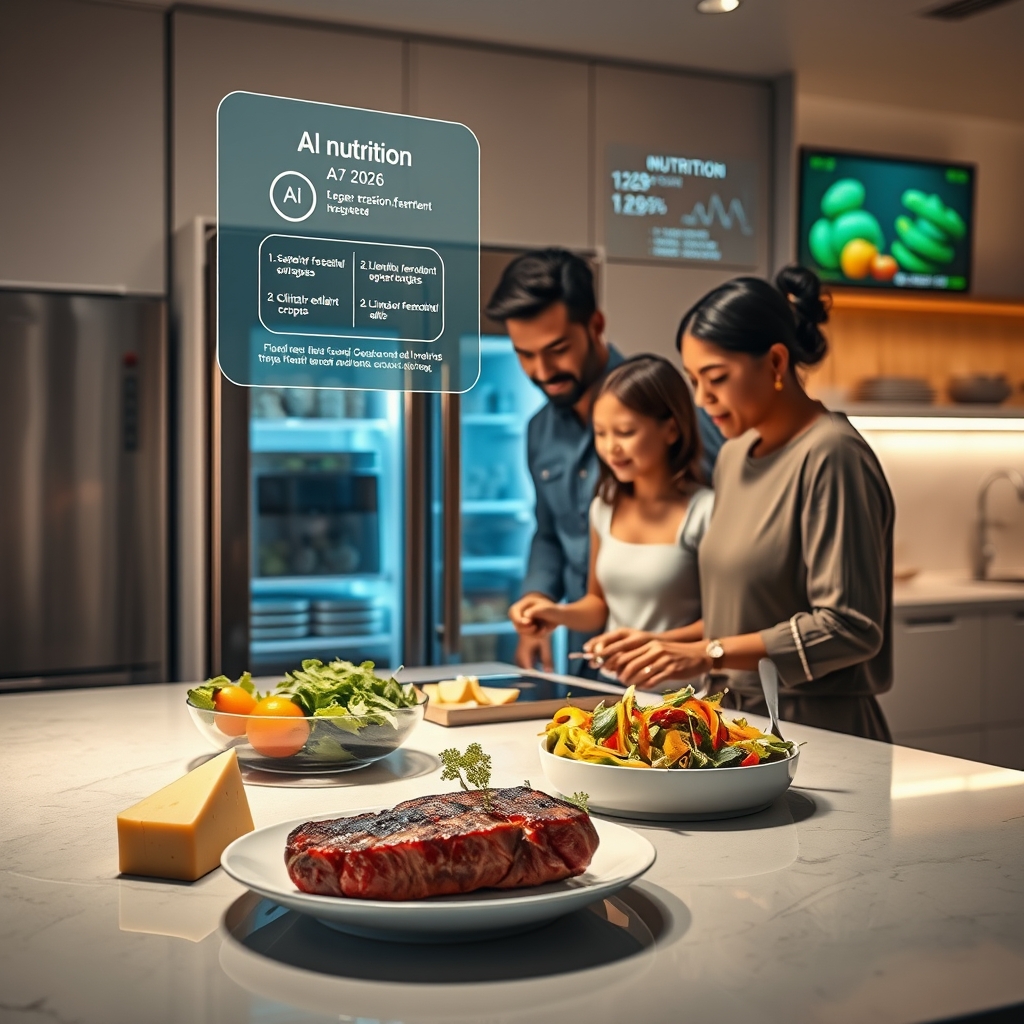
The Future of Food in 2026: Trends, Innovations, and How to Adapt for Health and Sustainability
By 2026, the way we grow, choose, and consume food will look radically different. Whether you’re a home cook, health-conscious consumer, or sustainability advocate, this guide will help you navigate the biggest shifts in food technology, nutrition science, and global supply chains. You’ll learn how to make smarter food choices, reduce waste, and even incorporate cutting-edge ingredients into your daily meals—all while aligning with the latest evidence-backed practices.
Key Takeaways
- Personalized nutrition will dominate, with AI-driven meal planning tailored to your genetics and lifestyle.
- Alternative proteins, like precision-fermented dairy and lab-grown meat, will hit mainstream grocery shelves at competitive prices.
- Food waste reduction will become a household priority, with apps and smart appliances making it easier than ever.
- Climate-resilient crops (e.g., drought-tolerant grains) will reshape global agriculture, improving food security.
How Will AI Change the Way You Eat in 2026?
Artificial intelligence is no longer just a tool for tech companies—it’s becoming a personal nutritionist in your pocket. By 2026, AI-powered apps will analyze your bloodwork, microbiome, and activity levels to generate hyper-personalized meal plans. For example, if your gut bacteria thrive on fiber but struggle with gluten, your app might suggest a quinoa bowl with fermented vegetables instead of whole-wheat pasta.
These tools won’t just recommend recipes; they’ll sync with your smart fridge to track ingredient freshness, suggest substitutions based on local availability, and even adjust portion sizes to minimize waste. A 2023 study in Nature Medicine found that AI-driven dietary interventions improved metabolic health markers by up to 30% in participants over six months, highlighting the potential for these technologies to transform public health.
What Are the Most Exciting Alternative Proteins Hitting Shelves?
By 2026, alternative proteins will move beyond the niche market and into everyday meals. Lab-grown meat, once a novelty, will be sold in major supermarkets at prices comparable to conventional beef. Companies like Upside Foods and Mosa Meat have already received regulatory approval in the U.S. and Singapore, and scaling production will make these products accessible to millions.
Precision fermentation—where microbes are engineered to produce dairy proteins without cows—will also revolutionize the dairy aisle. Brands like Perfect Day and New Culture are creating milk, cheese, and yogurt with the same taste and texture as traditional dairy but with a fraction of the environmental impact. These innovations aren’t just for vegans; they’re for anyone looking to reduce their carbon footprint without sacrificing flavor.
How Do These Proteins Compare to Traditional Options?
Lab-grown meat and precision-fermented dairy offer several advantages over conventional animal agriculture:
- Environmental impact: Lab-grown beef produces up to 96% fewer greenhouse gas emissions than traditional beef, according to a 2021 Science study.
- Nutritional profile: Many alternative proteins are fortified with vitamins and minerals, such as B12 and iron, which are often lacking in plant-based diets.
- Food safety: Cultivated meat eliminates the risk of zoonotic diseases (e.g., salmonella or E. coli) that can occur in traditional livestock farming.
How Can You Reduce Food Waste at Home in 2026?
Food waste is one of the most pressing challenges of our time, with nearly one-third of all food produced globally lost or wasted each year. By 2026, new technologies and habits will make it easier to cut waste at home. Smart appliances, like AI-powered refrigerators, will alert you when food is nearing its expiration date and suggest recipes to use up ingredients before they spoil.
Apps like Too Good To Go and Olio will expand their reach, connecting consumers with surplus food from local restaurants and grocery stores at discounted prices. Composting will also become more accessible, with municipal programs and countertop composters making it easier to divert food scraps from landfills. Even small changes, like meal prepping with leftovers in mind or storing produce properly, can significantly reduce waste.
What Are the Best Strategies for Storing Food to Extend Freshness?
Proper storage can double or even triple the shelf life of many foods. Here’s how to keep common items fresh longer:
- Herbs: Trim the stems, place them in a jar of water, and cover loosely with a plastic bag before refrigerating.
- Leafy greens: Wrap in a paper towel to absorb moisture, then store in a reusable container or bag.
- Berries: Rinse in a vinegar-water solution (1:3 ratio) to kill mold spores, then dry thoroughly before refrigerating.
- Bread: Freeze half a loaf immediately and toast slices as needed to prevent staling.
Which Climate-Resilient Crops Should You Watch in 2026?
Climate change is forcing farmers to adapt, and by 2026, new crop varieties will become staples in kitchens worldwide. Drought-tolerant grains like millet and sorghum, which require far less water than wheat or rice, will gain popularity as water scarcity worsens. These grains are also nutrient-dense, offering high levels of protein, fiber, and minerals like magnesium and iron.
Other climate-resilient crops to watch include:
- Quinoa: A complete protein that thrives in poor soil conditions and requires minimal water.
- Kernza: A perennial wheatgrass developed by The Land Institute that reduces soil erosion and sequesters carbon.
- Cassava: A starchy root crop that grows well in tropical climates and is resistant to pests and drought.
These crops aren’t just for farmers—they’re making their way into mainstream products like pasta, snacks, and even beer. Incorporating them into your diet can help future-proof your meals against climate-related disruptions.
As food systems evolve, the choices you make in 2026 will have a ripple effect—on your health, your wallet, and the planet. Start small by experimenting with one new alternative protein, downloading a food waste app, or swapping a traditional grain for a climate-resilient alternative. The future of food isn’t just coming; it’s already here, and the best way to prepare is to start adapting today.
