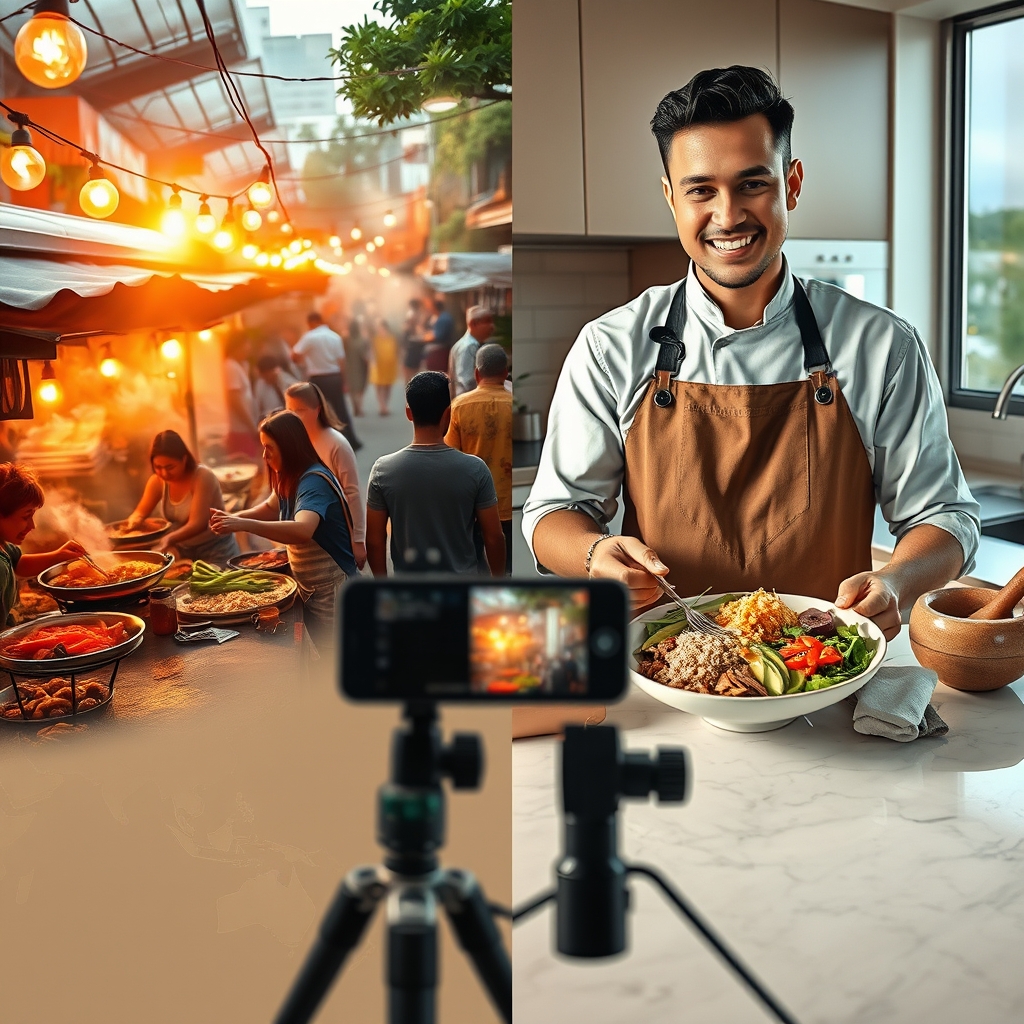
The Modern Foodie’s Playbook: Culinary Tours, Hidden Gems & Kitchen Innovations for 2024
Imagine standing in a bustling Bangkok alleyway, the air thick with the sizzle of woks and the sweet tang of tamarind, as a street vendor hands you a steaming plate of pad thai wrapped in banana leaf. Or picture yourself in a sleek Tokyo izakaya, where a chef deftly slices sashimi so fresh it melts on your tongue. These aren’t just meals—they’re moments that define a culinary tour and transform the way we experience the world. Whether you’re a seasoned traveler or a home cook looking to elevate your skills, the fusion of global flavors, cutting-edge restaurant tech, and sustainable practices is reshaping how we eat, explore, and savor.
The Rise of Culinary Tourism: More Than Just a Meal
Culinary tourism has evolved from a niche interest into a full-blown movement, with travelers prioritizing food experiences as much as landmarks. According to a 2023 report by the World Food Travel Association, 53% of leisure travelers now plan trips around food and drink. But what makes a culinary tour truly unforgettable? It’s not just about the dishes—it’s the stories behind them.
Take, for example, a street food chronicles tour in Mexico City, where guides share the history of tacos al pastor, tracing its roots to Lebanese immigrants who brought shawarma to Mexico in the early 20th century. Or a vineyard-hopping adventure in Tuscany, where sommeliers explain how terroir shapes the flavor of Chianti. These experiences turn dining into an education, blending culture, history, and flavor in ways that linger long after the last bite.
How to Choose the Right Culinary Tour for You
Not all culinary tours are created equal. Some focus on high-end restaurant recommendations, while others dive into local markets and home kitchens. To find the perfect fit, ask yourself: Do you want hands-on cooking classes, behind-the-scenes restaurant tours, or a mix of both? For the adventurous, a street food chronicles tour in Hanoi or Istanbul offers a raw, unfiltered taste of a city’s soul. For those who prefer structure, curated experiences like Eating Europe’s food tours in Rome or Barcelona provide a balance of history and gastronomy.
Pro tip: Look for tours led by local chefs or food historians. Their insights can turn a simple meal into a masterclass in culture and technique. And don’t forget to check reviews—platforms like Withlocals and Airbnb Experiences often feature hidden gems with rave ratings.
From Global Flavors to Your Kitchen: The Art of Gourmet Home Cooking
You don’t need a passport to bring the world to your table. Gourmet home cooking is all about recreating the magic of a culinary tour in your own kitchen. Start by mastering a few foundational techniques—like perfecting risotto’s creamy texture or balancing the umami in a miso-glazed dish. Then, experiment with global ingredients: swap out pasta for soba noodles in a Japanese-inspired stir-fry, or use harissa to add North African heat to roasted vegetables.
One of the biggest trends in gourmet home cooking is the rise of plant-based delights. Chefs and home cooks alike are discovering that vegetables can be just as indulgent as meat—think smoky jackfruit tacos, creamy cashew-based cheeses, or decadent chocolate avocado mousse. The key? Treating plants as the star, not the sidekick. As chef Yotam Ottolenghi puts it, “Vegetables are not just a substitute; they’re a celebration.”
Kitchen Gadgets That Actually Make a Difference
Not all kitchen gadget reviews are created equal. While some tools end up gathering dust in the back of a drawer, others become game-changers. Take the immersion circulator, for example—a sous vide machine that ensures perfectly cooked steak, fish, or even eggs every time. Or the air fryer, which delivers crispy, golden results with a fraction of the oil. For bakers, a stand mixer is a worthy investment, turning labor-intensive doughs into effortless creations.
But you don’t need to break the bank to upgrade your kitchen. Simple tools like a mandoline slicer (for paper-thin veggies), a microplane (for zesting citrus or grating garlic), or a mortar and pestle (for freshly ground spices) can elevate your dishes without the hefty price tag. The trick is to invest in gadgets that align with your cooking style—whether that’s meal prepping, baking, or whipping up quick weeknight dinners.
Sweet Avenue: Where Bakery & Desserts Meet Innovation
Dessert isn’t just the grand finale—it’s an art form. From Parisian patisseries to Tokyo’s mochi shops, Sweet Avenue is where tradition meets innovation. One of the hottest trends in the dessert world? Hybrid treats that blend flavors and textures in unexpected ways. Think cronuts (croissant-donut hybrids), brookies (brownie-cookie mashups), or matcha-infused tiramisu. These creations aren’t just delicious; they’re Instagram gold, too.
For home bakers, the key to Sweet Avenue-worthy desserts lies in technique. Mastering the perfect macaron, for example, requires precision—from aging egg whites to achieving the ideal “feet” (those delicate ruffles at the base). And don’t underestimate the power of presentation. A dusting of edible gold leaf, a drizzle of salted caramel, or a sprinkle of crushed pistachios can turn a simple dessert into a showstopper. As pastry chef Dominique Ansel says, “Dessert is the last impression you leave with someone. Make it count.”
Budget-Friendly Eats Without Sacrificing Flavor
Eating well doesn’t have to mean emptying your wallet. Some of the best budget-friendly eats come from street vendors, local markets, and humble eateries. In Lisbon, a pastel de nata (custard tart) costs less than €1 but rivals anything from a high-end bakery. In Mumbai, a plate of pav bhaji (spiced vegetable curry with buttered bread) is a filling, flavorful meal for under $2. The secret? These dishes are made with simple, fresh ingredients and time-honored techniques.
At home, you can stretch your grocery budget by focusing on versatile ingredients. Beans, lentils, and grains like rice or quinoa form the backbone of countless budget-friendly eats. Pair them with seasonal produce, herbs, and spices to create dishes that are both affordable and delicious. And don’t overlook leftovers—transform last night’s roasted chicken into today’s chicken tacos or stir-fry.
The Future of Dining: Restaurant Tech & Sustainable Trends
The restaurant industry is undergoing a tech-driven revolution. From AI-powered reservation systems to robot chefs, restaurant tech & trends are making dining more efficient, personalized, and sustainable. One standout innovation? Dynamic pricing, where restaurants adjust menu prices based on demand, time of day, or even weather conditions. This model, already popular in airlines and hotels, is gaining traction in the food world, offering diners discounts during off-peak hours.
Sustainability is another major focus. Organic & sustainable food practices are no longer a niche—they’re a necessity. Restaurants are reducing food waste through composting programs, sourcing ingredients locally to cut carbon footprints, and even growing their own produce on rooftop gardens. At home, you can adopt these practices by shopping at farmers’ markets, choosing organic when possible, and composting food scraps. Every small step adds up to a healthier planet—and a more delicious future.
Food Styling & Photography: Making Your Meals Look as Good as They Taste
In the age of social media, food styling & photography have become essential skills for home cooks and professional chefs alike. The difference between a forgettable snapshot and a scroll-stopping image often comes down to lighting, composition, and a few pro tricks. Natural light is your best friend—position your dish near a window and avoid harsh overhead lighting. For composition, follow the “rule of thirds” by placing your subject off-center for a more dynamic shot.
Props can also elevate your photos. A rustic wooden board, a vintage linen napkin, or a sprig of fresh herbs can add texture and depth. And don’t forget the power of editing apps like Lightroom or VSCO to fine-tune colors and contrast. As food photographer Andrew Scrivani says, “Great food photography isn’t about making food look perfect. It’s about making it look real—and irresistible.”
Whether you’re embarking on a culinary tour across continents or experimenting with gourmet home cooking in your kitchen, the world of food is yours to explore. The best part? Every meal is a chance to discover something new—about the world, about flavors, and about yourself. So grab your fork, your camera, or your passport, and start savoring the journey one bite at a time.
