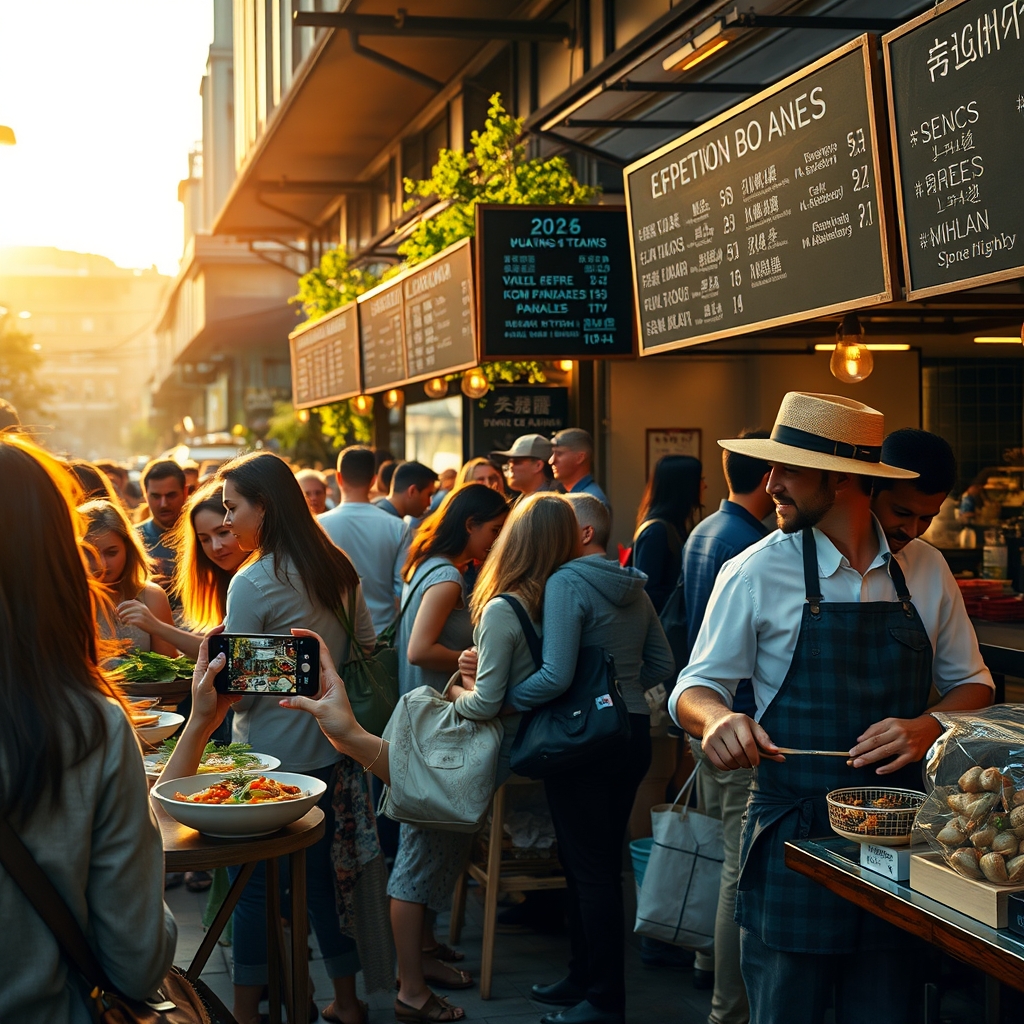
2026 Culinary Roadmap: How to Eat, Explore, and Cook Like a Local in the New Era of Food Travel
Planning a trip in 2026 and want to eat like a local, not a tourist? This guide is your roadmap to the most flavorful, tech-savvy, and sustainable food experiences around the globe—whether you’re hunting for street food gems, booking a gourmet culinary tour, or recreating those flavors at home. You’ll discover how to navigate restaurant tech trends, find budget-friendly eats without sacrificing quality, and capture your meals like a pro, all while supporting organic and sustainable food systems. By the end, you’ll know exactly where to go, what to cook, and how to make every bite count.
Key Takeaways
- Culinary tourism in 2026 blends high-tech dining with hyper-local authenticity, from AI-powered reservations to plant-based street food.
- Restaurant tech like dynamic pricing and augmented reality menus is reshaping how (and where) we eat—learn how to leverage it for better experiences.
- Sustainable and organic food isn’t just a trend; it’s the default for top-rated eateries, with transparency tools helping you verify claims.
- Food styling and photography have evolved beyond Instagram—master the basics to document your journey like a pro, even on a budget.
How Do Culinary Tours in 2026 Differ From Pre-Pandemic Experiences?
Culinary tours in 2026 are less about passive observation and more about immersive participation. Operators now prioritize small-group, hands-on experiences that connect travelers with local producers, chefs, and home cooks. For example, a tour in Lisbon might include a morning at a family-run bakery learning to shape pastéis de nata, followed by a market visit where you select ingredients for a collaborative lunch. These tours often integrate sustainability metrics, such as carbon footprint tracking or zero-waste cooking challenges, to align with traveler values.
Technology plays a key role in personalization. Many operators use AI-driven questionnaires to tailor itineraries based on dietary preferences, budget, and cultural interests. A vegan traveler in Bangkok, for instance, might receive a curated route highlighting plant-based street food stalls and hidden vegan restaurants, while a gluten-free diner in Rome could get a list of gluten-free pasta workshops and certified bakeries.
What to Look for When Booking
Not all culinary tours are created equal. Prioritize operators that partner with local communities rather than international chains, and check for transparency in sourcing. Look for certifications like Fair Trade or partnerships with organizations like Slow Food, which ensure ethical and sustainable practices. Reviews from 2025 onward often highlight whether a tour delivers on its promises—pay attention to comments about group size, authenticity, and the balance between education and enjoyment.
Where Can You Find the Best Street Food Without the Tourist Traps?
Street food remains the heartbeat of culinary tourism, but in 2026, the best stalls are those that blend tradition with innovation. Cities like Mexico City, Hanoi, and Istanbul have long been street food meccas, but newer hotspots like Tbilisi, Accra, and Medellín are gaining traction for their unique flavors and affordability. The key to finding the best spots? Follow the locals—literally. Apps like StreetFoodie and LocalEats use crowdsourced data to highlight stalls with high turnover (a sign of freshness) and positive ratings from residents.
Safety and hygiene are no longer a gamble. Many cities now enforce strict food safety standards for street vendors, and tools like FoodSafetyCheck provide real-time ratings based on government inspections. In Singapore, for example, the Hawker Centre 3.0 initiative has introduced QR codes at every stall, linking to inspection reports and customer reviews. This transparency makes it easier to enjoy street food with confidence, even for first-time travelers.
Pro Tips for Street Food Exploration
- Go early or late: The best stalls often sell out by midday, but some specialize in late-night eats—perfect for post-dinner snacks.
- Learn the lingo: A few key phrases (e.g., “¿Cuál es el más popular?” in Spanish or “Cái này ngon nhất?” in Vietnamese) can lead to recommendations from vendors.
- Bring cash (and small bills): While digital payments are growing, many street vendors still prefer cash, especially in markets.
How Is Restaurant Tech Changing the Way We Dine in 2026?
Restaurant technology has evolved beyond online reservations and contactless payments. In 2026, AI-driven dynamic pricing is common in high-demand cities, adjusting menu costs based on time, demand, and even weather. For example, a seafood restaurant in Tokyo might lower prices on rainy days when foot traffic is low, while a rooftop bar in Barcelona could increase them during sunset hours. Apps like DineSmart help travelers find the best deals by comparing real-time pricing across multiple platforms.
Augmented reality (AR) menus are another game-changer. At high-end restaurants, diners can use their phones to visualize dishes in 3D before ordering, complete with ingredient sourcing details and allergen information. In fast-casual settings, AR is used to gamify the dining experience—think interactive trivia about the dish’s origins or rewards for trying new items. Meanwhile, robotics and automation are streamlining operations behind the scenes, from AI-powered inventory management to robotic chefs in ghost kitchens.
Tech to Watch (and Use) in 2026
- AI sommeliers: Apps like WineMatch use machine learning to pair wines with your meal based on flavor profiles, budget, and even your mood.
- Smart utensils: Forks and spoons with embedded sensors can track your eating speed, temperature preferences, and even nutritional intake, syncing data to your health app.
- Blockchain for transparency: Some restaurants now use blockchain to track the journey of ingredients from farm to table, accessible via QR codes on menus.
What Are the Must-Try Plant-Based Delights in 2026?
Plant-based dining is no longer a niche—it’s a mainstream expectation. In 2026, the focus has shifted from imitation meat to innovative, whole-food-based dishes that celebrate global flavors. Fermentation, ancient grains, and underutilized ingredients like jackfruit, moringa, and black garlic are taking center stage. Cities like Berlin, Los Angeles, and Singapore are leading the charge, with dedicated plant-based food halls and Michelin-starred vegan tasting menus.
Street food is also embracing plant-based options. In Bangkok, Jay Fai’s legendary crab omelet now has a vegan version made with hearts of palm, while in Mexico City, tacos de hongos (mushroom tacos) are a staple at late-night stands. For home cooks, 2026’s plant-based trends include:
- Umami bombs: Ingredients like nutritional yeast, miso, and liquid smoke are used to replicate the depth of meat-based dishes.
- Zero-waste cooking: Recipes that use peels, stems, and scraps (e.g., broccoli stem slaw, citrus peel candy) are trending in both restaurants and home kitchens.
- Global fusion: Dishes like Ethiopian misir wot tacos or Korean bibimbap burritos are popping up in food trucks and pop-ups worldwide.
How Can You Recreate Restaurant-Quality Meals at Home?
Gourmet home cooking in 2026 is all about accessibility and creativity. Thanks to advancements in kitchen gadgets and online learning, it’s easier than ever to replicate restaurant-quality dishes without professional training. Multi-functional appliances like the Ninja Foodi or Instant Pot Pro Crisp combine pressure cooking, air frying, and slow cooking in one device, while smart ovens like the June Oven use AI to adjust cooking times and temperatures automatically.
Online platforms have also democratized culinary education. MasterClass, ChefSteps, and even TikTok offer step-by-step tutorials from Michelin-starred chefs, often for free. For those looking to dive deeper, virtual cooking classes with local chefs—bookable through platforms like Eatwith or Airbnb Experiences—provide real-time feedback and cultural context. The key to success? Start with simple, high-impact techniques like sous vide, reverse searing, or homemade fermenting, then build from there.
Essential Kitchen Gadgets for 2026
- Precision cookers: Sous vide machines like the Anova Precision Cooker ensure perfect doneness every time, from steak to crème brûlée.
- Smart scales: Scales like the Drop Scale sync with apps to guide you through recipes, adjusting for ingredient substitutions on the fly.
- Portable induction burners: Compact and energy-efficient, these are ideal for small kitchens or outdoor cooking.
What’s the Secret to Capturing Food Like a Pro in 2026?
Food styling and photography have moved beyond the era of overly filtered Instagram shots. In 2026, authenticity and storytelling are key. The best food photos tell a story—whether it’s the steam rising from a bowl of pho, the texture of a freshly baked sourdough loaf, or the vibrant colors of a farmers’ market haul. Natural light is still the gold standard, but portable LED panels and reflectors make it easier to achieve professional results indoors or at night.
Editing apps have also evolved. Tools like Lightroom Mobile and VSCO offer AI-powered presets that enhance colors and textures without looking artificial. For those who want to go further, apps like Foodie provide templates for flat lays, close-ups, and action shots, while Canva offers easy-to-use design tools for creating cohesive social media feeds or travel journals.
Quick Tips for Stunning Food Photos
- Shoot in RAW: This gives you more flexibility in editing, especially for exposure and white balance.
- Use the rule of thirds: Place the main subject off-center for a more dynamic composition.
- Add movement: A sprinkle of herbs, a drizzle of sauce, or a hand holding a utensil adds life to your photos.
- Tell a story: Include context, like a coffee cup next to a travel map or a chef’s hands prepping ingredients.
As you plan your culinary adventures in 2026, remember that the best experiences are those that connect you to the people, places, and stories behind the food. Whether you’re savoring street food in Hanoi, booking a tech-savvy tasting menu in Copenhagen, or recreating a dish at home, the goal is the same: to eat with intention, curiosity, and joy. Start by picking one section of this guide—maybe it’s finding a plant-based gem on your next trip or mastering a new kitchen gadget—and let it inspire your next meal. The world is your kitchen, and 2026 is the year to explore it.
