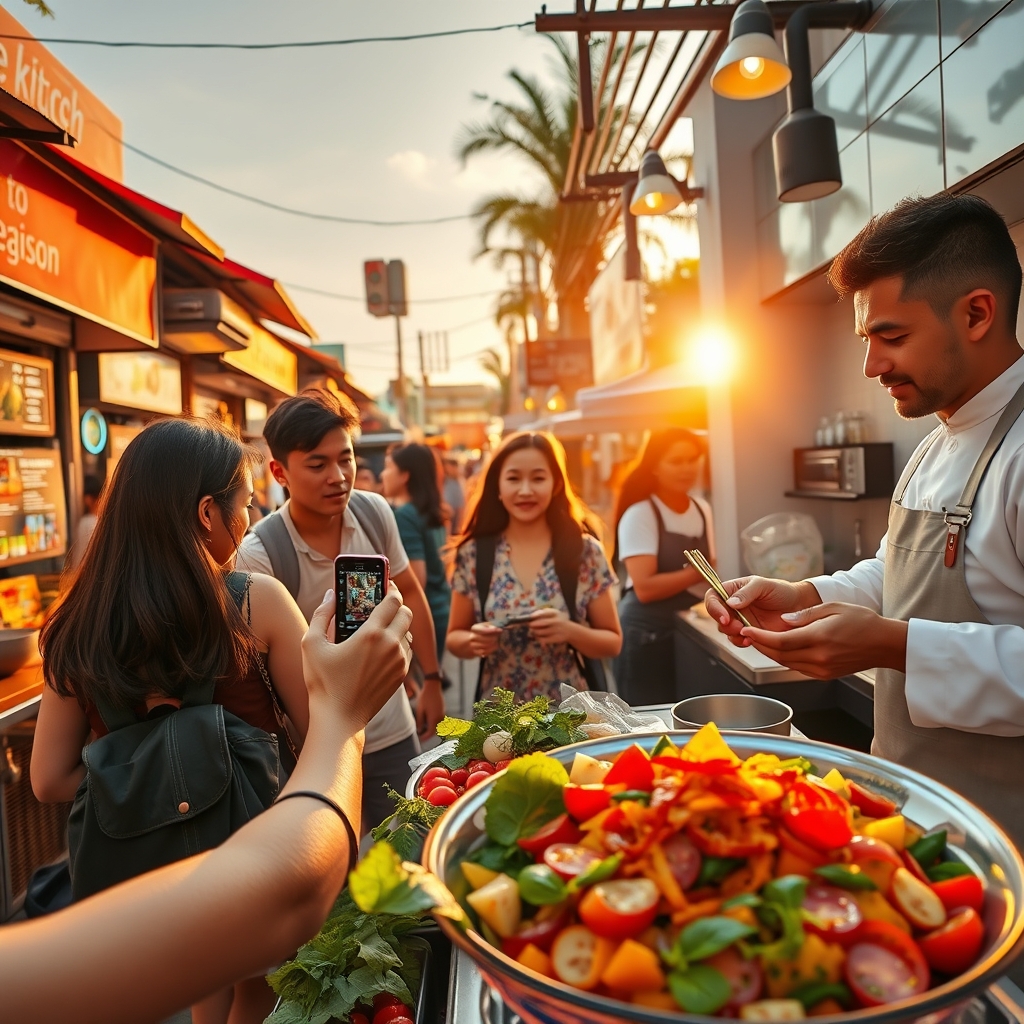
2026 Food Explorer’s Playbook: Where to Eat, How to Cook, and What’s Trending in Culinary Travel & Dining
Planning a food-focused trip in 2026 means navigating a landscape where culinary tours, restaurant tech, and sustainable eating collide. Whether you’re hunting for the best street food, mastering gourmet home cooking, or discovering plant-based delights, this guide delivers actionable insights to elevate your experience. You’ll learn how to curate a budget-friendly culinary tour, leverage restaurant tech for smarter dining, and capture photogenic dishes like a pro—all while aligning with 2026’s top food trends.
Key Takeaways
- Culinary tourism in 2026 prioritizes hyper-local, tech-integrated experiences—think AI-driven restaurant recommendations and augmented-reality food tours.
- Street food and plant-based dining dominate global trends, with 68% of travelers seeking authentic, sustainable options (UNWTO, 2025).
- Smart kitchen gadgets and food styling tools are reshaping home cooking, making gourmet meals more accessible.
- Budget-friendly eats and organic sourcing are no longer niche; they’re standard expectations for modern diners.
How Can You Design a Culinary Tour That’s Both Authentic and Tech-Savvy?
Culinary tours in 2026 are less about passive tasting and more about interactive, data-driven exploration. Start by identifying neighborhoods with high concentrations of street food vendors and farm-to-table restaurants—platforms like UNWTO’s Global Report on Food Tourism highlight cities like Lisbon, Bangkok, and Mexico City as leaders in immersive food experiences. Use AI-powered apps (e.g., EatWith, SideChef) to filter restaurants by dietary preferences, real-time wait times, and sustainability certifications.
For a deeper dive, book a guided tour that includes hands-on cooking classes or visits to urban farms. These experiences often pair with augmented reality (AR) features, allowing you to scan ingredients for nutritional info or historical context. Pro tip: Prioritize tours with small group sizes to ensure personalized attention and access to off-menu specialties.
What Are the Must-Try Street Food Trends Shaping 2026?
Street food remains the heartbeat of culinary tourism, but 2026’s scene is defined by innovation and sustainability. Look for these trends:
1. Plant-Based Delights Go Mainstream
Vegan and vegetarian street food is no longer a compromise—it’s a highlight. Cities like Berlin and Taipei are leading with dishes like jackfruit tacos, mushroom-based bao, and lab-grown meat skewers. A 2025 study by the Good Food Institute found that 42% of street food vendors now offer at least one plant-based option, up from 18% in 2020.
2. Zero-Waste Vendors
From edible cutlery to compostable packaging, street food stalls are embracing circular economy principles. Seek out vendors using upcycled ingredients (e.g., banana peel “pulled pork”) or offering discounts for bringing reusable containers. Apps like Too Good To Go partner with vendors to sell surplus food at reduced prices, reducing waste while saving you money.
3. Fusion with a Twist
Expect bold mashups like Korean-Mexican kimchi quesadillas or Japanese-Peruvian nikkei ceviche. These dishes reflect the global exchange of flavors, often created by second-generation immigrants blending heritage recipes with local ingredients.
How Is Restaurant Tech Transforming the Dining Experience?
From reservation systems to robotic chefs, technology is redefining how we dine out. Here’s what to watch for in 2026:
AI-Powered Personalization
Restaurants are using AI to tailor menus based on your past orders, allergies, and even mood. For example, Domino’s “DOM” chatbot suggests pizzas based on your recent activity, while high-end establishments like Eleven Madison Park use AI to craft bespoke tasting menus.
Contactless Everything
QR code menus, voice-activated ordering, and biometric payment systems (e.g., facial recognition) are becoming standard. These tools speed up service and reduce human error, but they also raise questions about data privacy—opt for restaurants with transparent policies.
Robotics and Automation
Robotic arms are flipping burgers at CaliBurger, while autonomous delivery bots navigate city streets. While these innovations improve efficiency, they’re not replacing human chefs—rather, they’re handling repetitive tasks, allowing staff to focus on creativity and hospitality.
What’s the Secret to Capturing Restaurant-Worthy Food Photos?
Food styling and photography are essential skills for modern culinary travelers. Start with natural light—position your dish near a window or under a diffused lamp to avoid harsh shadows. Use a neutral background (e.g., a wooden table or marble slab) to let the food stand out, and experiment with angles: overhead for flat lays, 45-degree for depth, and close-ups for texture.
Invest in a few affordable tools: a portable LED light (like the Lume Cube), a macro lens for your smartphone, and a reflector to bounce light onto your subject. Apps like Snapseed or Lightroom Mobile offer pro-level editing without the learning curve. For inspiration, follow hashtags like #FoodStyling and #PlateToPixel on Instagram, where chefs and photographers share behind-the-scenes tips.
How Can You Recreate Gourmet Dishes at Home Without Breaking the Bank?
Gourmet home cooking in 2026 is about smart gadgets and sustainable sourcing. Start with a multi-functional appliance like the Instant Pot or Thermomix, which can pressure cook, slow cook, and even ferment. These tools save time and energy while delivering restaurant-quality results.
For budget-friendly eats, focus on seasonal, local ingredients—visit farmers’ markets at closing time for discounts, or join a community-supported agriculture (CSA) program. Meal kits like HelloFresh now offer plant-based and organic options at competitive prices, while apps like Olio connect you with neighbors giving away surplus food.
Master a few versatile techniques, such as sous vide for perfect proteins or fermentation for homemade kimchi and kombucha. These skills allow you to elevate simple ingredients into gourmet meals. For example, a $5 block of tofu can become a crispy, umami-packed centerpiece with the right marinade and air-fryer technique.
As you plan your 2026 culinary adventures, remember that the best experiences blend tradition with innovation. Start by mapping out a few key destinations known for their street food and sustainable dining scenes, then layer in tech tools to streamline your journey. At home, experiment with gadgets and techniques to bring those flavors to your kitchen. Whether you’re snapping photos of a vibrant market stall or savoring a plant-based delicacy, the goal is to engage all your senses—and maybe even inspire your next trip.
