2026’s Flavor Compass: How to Navigate Culinary Tours, Restaurant Tech, and Sustainable Eats with Confidence and Creativity
Planning a food-centric trip or refining your home cooking in 2026? This guide delivers actionable insights on culinary tours, restaurant recommendations, and gourmet home cooking, tailored for travelers, home chefs, and food enthusiasts. You’ll learn how to identify trending street food hubs, leverage restaurant tech for seamless dining, and incorporate sustainable practices into your meals—all while staying budget-conscious. Whether you’re capturing photogenic dishes or exploring plant-based delights, this evidence-backed approach ensures you make informed, flavorful choices.
Key Takeaways
- Prioritize culinary tours with immersive, hands-on experiences to deepen cultural connections.
- Use restaurant tech like AI-driven reservations and digital menus to save time and enhance dining.
- Incorporate sustainable ingredients and kitchen gadgets to align with 2026’s eco-conscious food trends.
- Master food styling and photography to elevate your social media presence or personal recipe documentation.
How Can Culinary Tours Elevate Your Travel Experience in 2026?
Culinary tours are no longer just about tasting food—they’re about storytelling, technique, and cultural immersion. In 2026, look for tours that offer interactive elements, such as cooking classes with local chefs or farm-to-table visits. For example, a street food chronicles tour in Bangkok might include a market scavenger hunt where you learn to identify authentic ingredients, while a gourmet tour in Lyon could feature a behind-the-scenes look at a Michelin-starred kitchen.
Data from the World Tourism Organization (UNWTO) shows that experiential travel, including culinary tourism, grew by 20% annually pre-2023, with projections indicating continued demand. To maximize value, opt for tours that include transportation, local guides, and small group sizes to ensure personalized attention. Platforms like Withlocals or Airbnb Experiences often feature verified hosts with high ratings, making them ideal for budget-friendly yet high-quality options.
What Restaurant Tech Trends Should You Watch in 2026?
Restaurant tech is transforming how we dine, from AI-powered recommendations to contactless payments. In 2026, expect to see widespread adoption of digital menus with augmented reality (AR) features, allowing diners to visualize dishes before ordering. For instance, a sushi restaurant might use AR to show the freshness of fish or the assembly of a roll, enhancing transparency and trust.
Another trend is the rise of smart reservations, where AI predicts wait times and optimizes seating. Apps like OpenTable and Resy are integrating these features, reducing friction for diners. For budget-conscious eaters, tools like Too Good To Go connect users with surplus food from restaurants at discounted prices, aligning with the growing demand for sustainable food practices.
How Can You Leverage Tech for Home Cooking?
At home, smart kitchen gadgets are making gourmet cooking more accessible. Devices like the June Oven or Thermomix use AI to adjust cooking times and temperatures, ensuring perfect results every time. For plant-based enthusiasts, gadgets like the TofuPress or spiralizers simplify the preparation of plant-based delights, while apps like Yummly offer personalized recipe suggestions based on dietary preferences.
Investing in multi-functional gadgets can also save space and money. For example, an Instant Pot combines pressure cooking, slow cooking, and sautéing, making it a versatile tool for budget-friendly meals. Pair these gadgets with sustainable ingredients—like locally sourced produce or bulk-bin staples—to reduce waste and costs.
How Do You Capture Food Like a Pro in 2026?
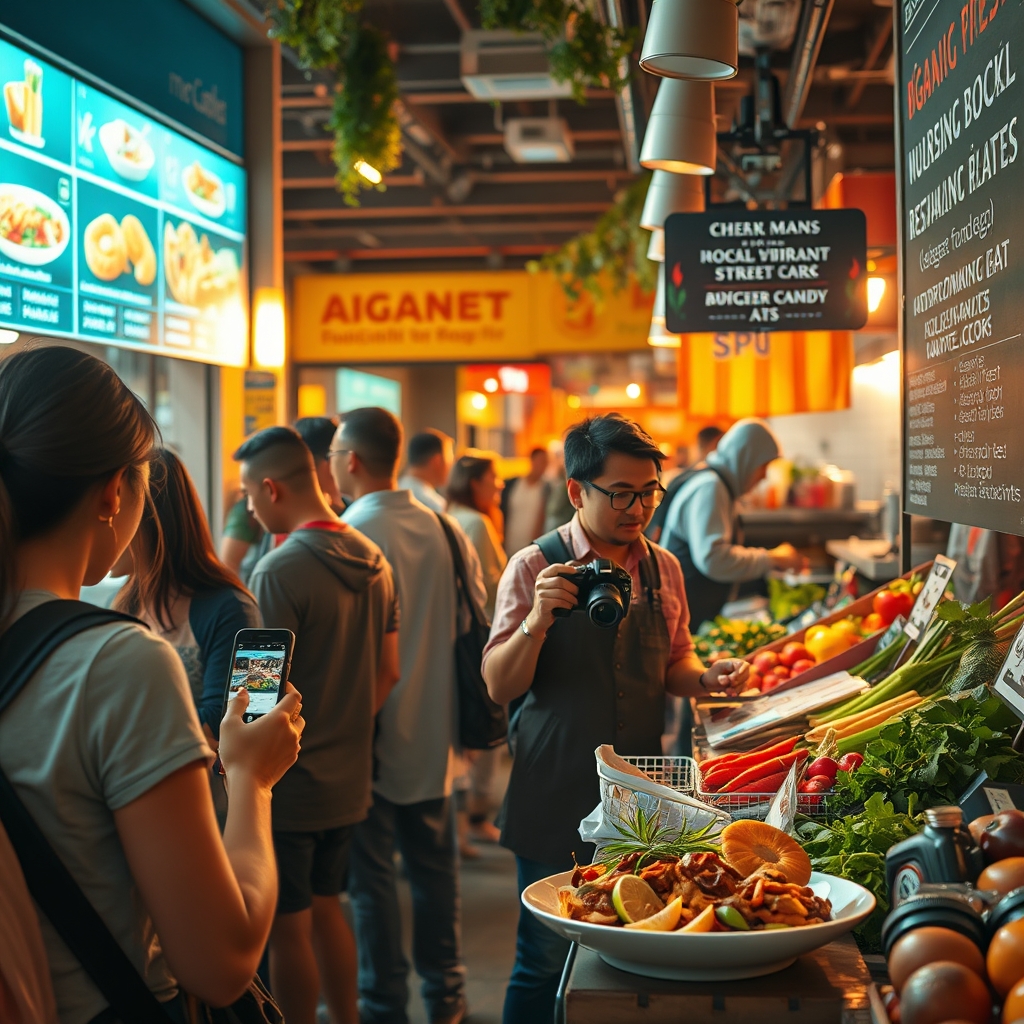
Food styling and photography are essential skills for sharing your culinary adventures or documenting recipes. Start with natural lighting, as it enhances colors and textures without harsh shadows. Use props like wooden boards, linen napkins, or fresh herbs to add depth to your compositions. For mobile photography, apps like Snapseed or VSCO offer advanced editing tools to fine-tune exposure and contrast.
In 2026, video content is dominating social media, so consider short-form clips for platforms like TikTok or Instagram Reels. A 15-second video of a sizzling steak or a slow-motion pour of caramel can engage audiences more effectively than static images. For inspiration, follow accounts like @foodandwine or @bonappetit, which showcase professional techniques in an accessible way.
Where Can You Find Budget-Friendly Eats Without Sacrificing Quality?
Eating well on a budget is easier than ever in 2026, thanks to apps and community-driven platforms. Too Good To Go, mentioned earlier, is a standout for reducing food waste while offering affordable meals. Similarly, apps like HappyCow help travelers find plant-based or vegan options at competitive prices.
For street food lovers, cities like Mexico City, Istanbul, and Hanoi remain top destinations for flavorful, inexpensive eats. Seek out local markets or food halls, where vendors often offer smaller portions at lower prices. In Lisbon, for example, the Time Out Market features curated stalls with gourmet-quality dishes at street-food prices. Pair these finds with a reusable container to minimize waste and align with sustainable practices.
What Are the Top Organic and Sustainable Food Trends for 2026?
Sustainability is no longer a niche concern—it’s a mainstream expectation. In 2026, look for restaurants and grocery stores prioritizing organic and sustainable food sourcing, such as regenerative farming or carbon-neutral packaging. Brands like Imperfect Foods or Thrive Market make it easy to access these products online, often at lower prices than traditional retailers.
At home, focus on reducing food waste by planning meals around seasonal ingredients. Tools like the Olio app connect users with neighbors to share surplus food, while composting systems like Lomi turn scraps into nutrient-rich soil. For those interested in gourmet home cooking, experimenting with fermentation or zero-waste recipes can add depth to your culinary repertoire while supporting sustainability.
Ready to put these insights into action? Start by identifying one area—whether it’s booking a culinary tour, investing in a smart kitchen gadget, or mastering food photography—and take a small step today. The world of food is evolving rapidly, but with the right tools and mindset, you can navigate it with confidence and creativity.
