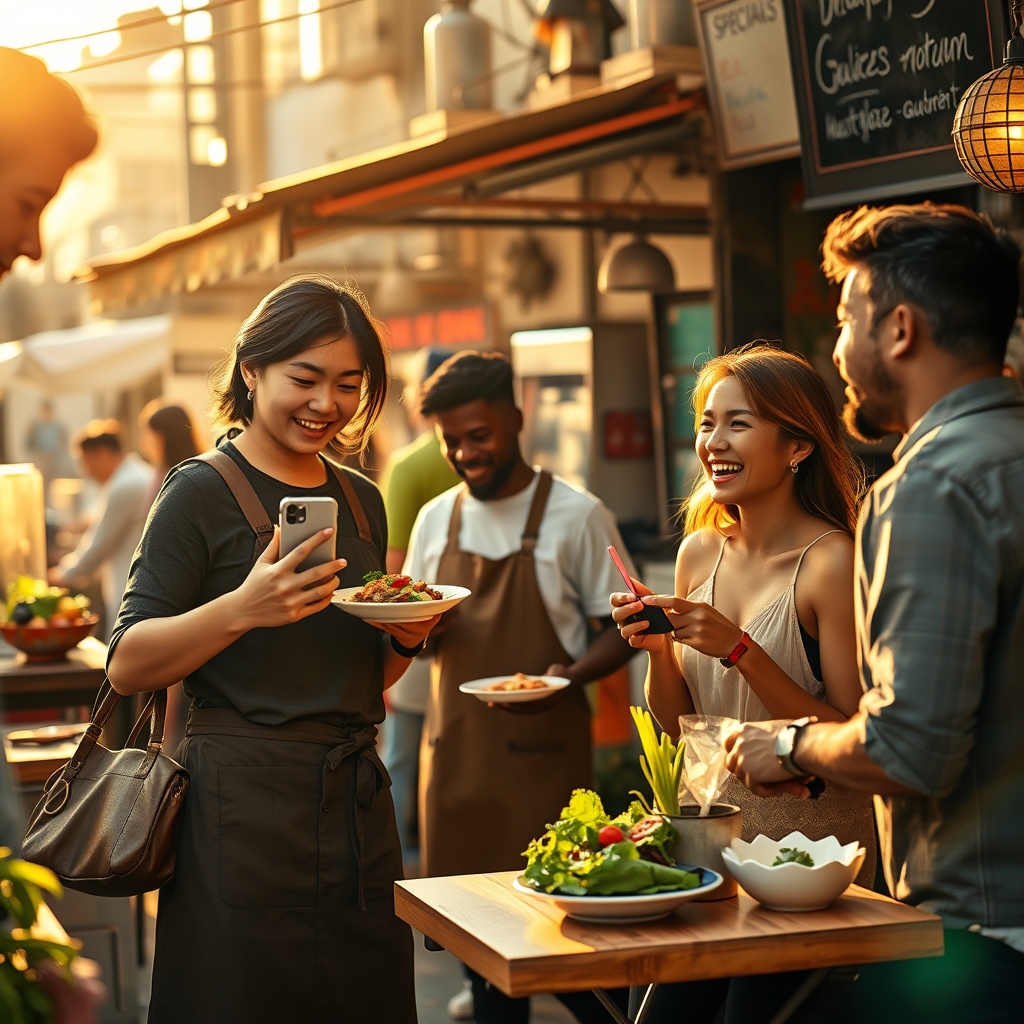
2026’s Flavor Frontier: How to Discover Hidden Culinary Gems, Master Gourmet Cooking, and Capture Food Like a Pro on Any Budget
Planning a food-centric trip in 2026? You’re not just looking for meals—you want experiences that blend authentic flavors, cutting-edge restaurant tech, and sustainable practices, all while fitting your budget. This guide reveals how to uncover the best culinary tours, street food hotspots, and gourmet cooking techniques, plus pro tips for styling and photographing your food like a social media star. Whether you’re a plant-based foodie, a gadget geek, or a dessert devotee, you’ll learn how to navigate the world’s kitchens with confidence and creativity.
Key Takeaways
- Discover how to choose culinary tours that prioritize local, sustainable, and tech-driven dining experiences.
- Learn where to find the most authentic street food while avoiding tourist traps and supporting ethical vendors.
- Master gourmet home cooking with budget-friendly gadgets and plant-based ingredients that don’t compromise on flavor.
- Capture stunning food photos with simple styling tricks and natural lighting techniques.
How Can You Find Culinary Tours That Go Beyond the Basics?
Culinary tourism isn’t just about tasting food—it’s about understanding the culture, history, and innovation behind each dish. In 2026, the best tours are those that blend hands-on experiences with sustainability and technology. Look for operators that partner with local farmers, fishermen, and artisans to create immersive, low-impact experiences. For example, tours in Lisbon now include visits to urban gardens where chefs source hyper-local ingredients, while Tokyo’s food tech tours showcase robot-run sushi bars and AI-driven flavor pairing.
Prioritize tours that offer small group sizes, as these allow for deeper interactions with hosts and more personalized recommendations. Platforms like UNWTO’s Sustainable Tourism Guidelines can help you identify operators committed to ethical practices, ensuring your travel dollars support communities rather than exploit them.
What Should You Look for in a Tour Itinerary?
A well-crafted culinary tour itinerary balances education, exploration, and enjoyment. Seek out tours that include:
- Hands-on workshops: Learn to make pasta in Bologna, ferment kimchi in Seoul, or craft artisanal chocolate in Oaxaca.
- Market visits: Explore local markets with a guide who can explain seasonal ingredients and regional specialties.
- Tech integrations: Some tours now feature augmented reality (AR) apps that overlay historical context onto dishes or offer real-time translation for interactions with vendors.
Where Can You Find the Best Street Food Without the Tourist Traps?
Street food is the heartbeat of culinary tourism, offering unfiltered access to a city’s flavors. In 2026, the key to finding the best spots is to follow the locals—literally. Apps like Street Food App and EatWith use crowdsourced data to highlight vendors with high ratings from residents, not just tourists. In Bangkok, for instance, the best pad thai isn’t found on Khao San Road but in the alleys of Thonburi, where families have been perfecting the dish for generations.
Safety is another critical factor. Look for vendors with high turnover (a sign of freshness) and those who prepare food in front of you. The World Health Organization’s Five Keys to Safer Food provide a simple checklist to assess hygiene practices, such as whether vendors use separate utensils for raw and cooked ingredients.
How Can You Support Ethical Street Food Vendors?
Many street food vendors operate in legal gray areas, facing challenges like high rents, lack of permits, or exploitation by middlemen. Support them by:
- Choosing vendors who source locally: Ask where ingredients come from—vendors who use seasonal, regional produce often have fresher, more flavorful dishes.
- Paying fairly: Avoid haggling aggressively; a few extra cents can make a big difference to a vendor’s livelihood.
- Advocating for policy changes: Organizations like Street Food Manifesto work to legalize and protect street food vendors, ensuring they can operate sustainably.
How Can You Master Gourmet Home Cooking on a Budget?
You don’t need a Michelin-starred kitchen to create gourmet meals at home. In 2026, the focus is on smart gadgets, plant-based ingredients, and techniques that maximize flavor without breaking the bank. Start with versatile tools like a multi-cooker (e.g., Instant Pot), which can pressure-cook, slow-cook, and even air-fry, replacing multiple appliances. For plant-based cooking, invest in umami-rich ingredients like nutritional yeast, miso paste, and smoked paprika to add depth to dishes without meat.
Batch cooking is another budget-friendly strategy. Prepare large quantities of staples like grains, legumes, and sauces, then repurpose them into different meals throughout the week. For example, a pot of lentil curry can become a filling for tacos, a topping for baked potatoes, or a base for a hearty soup.
What Are the Best Budget-Friendly Kitchen Gadgets in 2026?
Not all gadgets are created equal. Here are the top picks for 2026 that deliver gourmet results without the hefty price tag:
- Immersion blender: Perfect for soups, sauces, and smoothies, and often costs under $50.
- Mandoline slicer: Ensures uniform slices for salads, gratins, and stir-fries, reducing prep time and waste.
- Digital scale: Precision is key in baking and plant-based cooking, where ingredient ratios matter.
- Reusable silicone bags: A sustainable alternative to plastic wrap and storage bags, ideal for meal prepping.
How Can You Style and Photograph Food Like a Pro?
Great food photography isn’t about expensive equipment—it’s about lighting, composition, and storytelling. Natural light is your best friend; shoot near a window during the day to avoid harsh shadows and unflattering colors. Use simple props like wooden cutting boards, linen napkins, or fresh herbs to add texture and context without overwhelming the dish.
For composition, follow the rule of thirds: imagine your frame divided into a 3×3 grid and place the focal point of your dish along the lines or at their intersections. This creates balance and draws the viewer’s eye. If you’re shooting for social media, consider the platform’s aesthetics. Instagram favors bright, airy images, while TikTok thrives on dynamic, close-up shots that highlight texture and movement.
What Are the Best Angles for Food Photography?
Different dishes call for different angles. Here’s a quick guide:
- Overhead (90 degrees): Ideal for flat lays, salads, or dishes with intricate details like sushi or charcuterie boards.
- 45 degrees: The most versatile angle, great for burgers, bowls, and plated entrees.
- Straight-on (0 degrees): Best for tall or stacked dishes like burgers, pancakes, or layered desserts.
What’s the Future of Restaurant Tech and Trends in 2026?
Restaurants in 2026 are embracing technology to enhance sustainability, efficiency, and customer experience. AI-driven menus are becoming more common, using data to personalize recommendations based on dietary preferences, past orders, and even mood. In Singapore, some restaurants now use facial recognition to greet regulars and suggest their favorite dishes, while in San Francisco, AI sommeliers pair wines with meals based on flavor profiles and customer feedback.
Sustainability is also a major focus. Many restaurants are adopting zero-waste practices, such as composting food scraps, using biodegradable packaging, and sourcing ingredients from regenerative farms. Apps like Too Good To Go help diners find discounted surplus food from restaurants, reducing waste while saving money.
As you plan your culinary adventures in 2026, remember that the best experiences aren’t just about the food—they’re about the stories, people, and innovations behind it. Start by exploring one new technique, gadget, or destination at a time, and let your curiosity guide you. Whether you’re snapping photos of a street food stall in Hanoi or mastering a plant-based recipe at home, every bite is an opportunity to learn, connect, and savor the world’s flavors.
