2026’s Flavor Revolution: How to Eat, Cook, and Discover Like a Next-Gen Foodie with Smart Tech & Sustainable Choices
Planning a culinary tour, hunting for the best street food, or upgrading your home cooking in 2026? You’re not just eating—you’re curating an experience. This guide cuts through the noise to show you how to blend culinary tourism, restaurant tech trends, and sustainable food choices into a seamless, flavor-packed journey. Whether you’re a budget-conscious traveler, a plant-based foodie, or a gadget-loving home chef, you’ll learn how to navigate the latest trends, capture stunning food photography, and make every bite count—without overspending.
Key Takeaways
- Use AI-powered apps to uncover hidden culinary gems and avoid tourist traps on your next trip.
- Street food isn’t just cheap—it’s a cultural passport; learn how to spot the safest, tastiest stalls with insider tips.
- Sustainable and plant-based dining is no longer niche; discover how restaurants and home cooks are making it delicious and accessible.
- From smart ovens to compostable cutlery, tech is transforming how we eat—here’s what’s worth your investment.
How Can You Turn Every Meal into a Culinary Tour?
Culinary tourism isn’t just for luxury travelers. In 2026, it’s about intentional exploration—whether you’re in your hometown or halfway across the world. Start by mapping out neighborhoods known for their food scenes, like Lisbon’s Bairro Alto or Mexico City’s Roma Norte. Apps like Google Travel’s “Food & Drink” tab or EatWith (for immersive dining experiences) can help you skip the overpriced tourist spots and dive straight into local favorites.
For a deeper dive, book a themed culinary tour. Think beyond generic “food tours”—opt for niche experiences like a plant-based street food crawl in Bangkok or a zero-waste cooking class in Copenhagen. These tours often include hands-on elements, like learning to make mole from a Oaxacan chef or foraging for wild herbs in Tuscany. Pro tip: Look for tours led by locals or small businesses, not large operators, to ensure authenticity and fair pricing.
Where Can You Find the Best Street Food Without the Guesswork?
Street food is the heartbeat of a city’s culinary identity, but not all stalls are created equal. In 2026, safety and quality are just as important as flavor. Start by observing where locals eat—long lines at a stall are usually a good sign. Apps like StreetFood App or Foursquare (with its “Street Eats” filter) can help you pinpoint top-rated vendors, complete with user reviews and hygiene ratings.
For those wary of foodborne illnesses, prioritize stalls where food is cooked to order and served piping hot. Avoid raw or pre-cut items, and opt for dishes with visible high-heat cooking, like tacos al pastor or satay skewers. If you’re in a country with questionable water quality, stick to bottled drinks and peeled fruits. The World Health Organization’s food safety guidelines offer science-backed tips for eating street food safely, no matter where you are.
How Is Restaurant Tech Changing the Way You Dine?
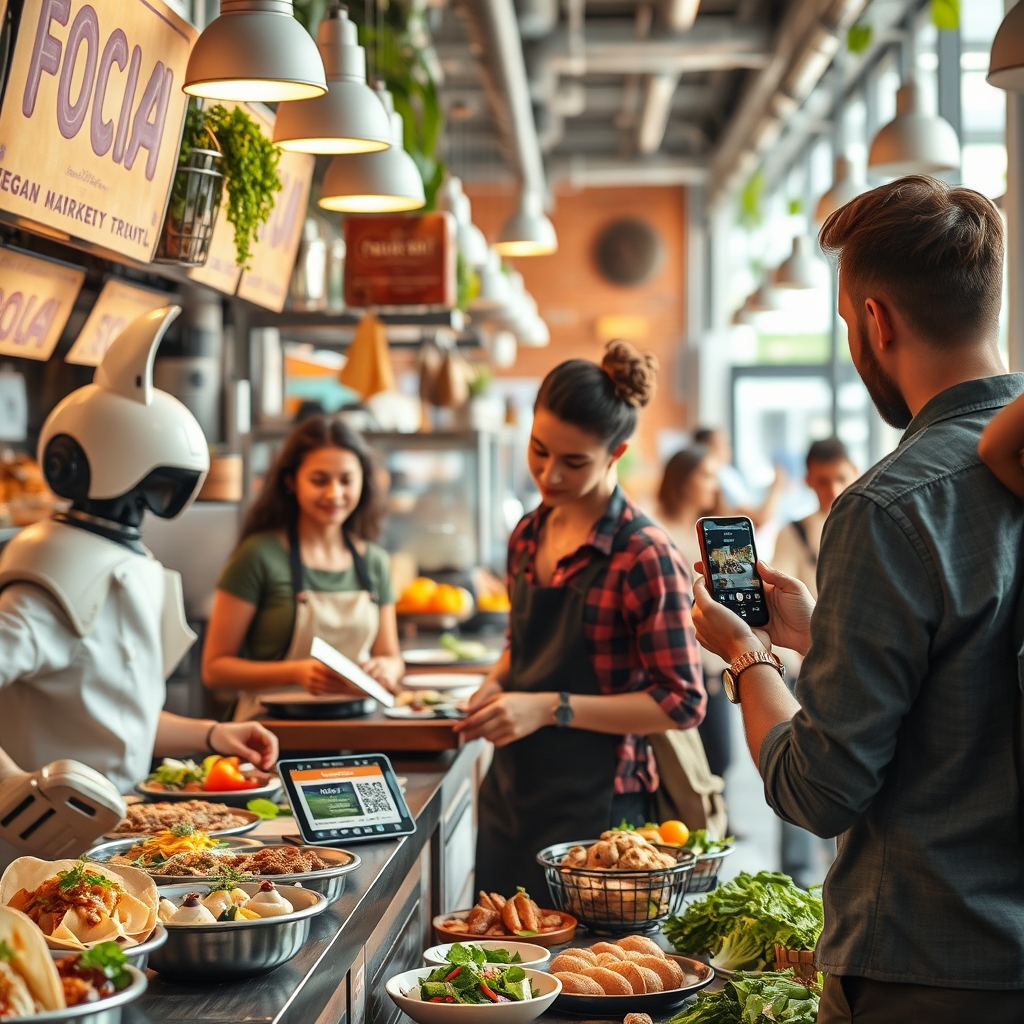
From AI-driven menus to robotic chefs, restaurant tech is no longer a gimmick—it’s a game-changer. In 2026, expect to see more contactless dining solutions, like QR code menus and app-based ordering, which reduce wait times and minimize human error. Some high-end restaurants are even using AI sommeliers to pair wines with your meal based on your preferences and dietary restrictions.
For home cooks, smart kitchen gadgets are making gourmet cooking more accessible. Devices like the June Oven (which uses AI to recognize and cook food perfectly) or Thermomix (a multi-functional cooker with guided recipes) are becoming staples in modern kitchens. If you’re on a budget, start with a smart sous vide circulator or an air fryer with app connectivity—both offer restaurant-quality results without the steep learning curve.
What Are the Top 3 Restaurant Tech Trends to Watch?
- Automated Kitchens: Robots like Spyce (a robotic kitchen that cooks meals in under 3 minutes) are popping up in fast-casual restaurants, offering consistency and speed.
- Personalized Menus: AI analyzes your past orders, allergies, and even mood to suggest dishes you’ll love—think Netflix for food.
- Sustainable Tech: Restaurants are adopting compostable packaging and food waste apps like Too Good To Go to reduce their environmental impact.
How Can You Cook Gourmet Meals at Home Without Breaking the Bank?
Gourmet home cooking doesn’t require a Michelin-starred budget. In 2026, the focus is on smart shopping and technique. Start by mastering a few versatile ingredients, like miso paste, harissa, or nutritional yeast, which can elevate simple dishes. Meal kits like HelloFresh or Blue Apron offer pre-portioned ingredients and chef-designed recipes, making it easier to experiment with global flavors without waste.
Invest in a few key kitchen gadgets to streamline your cooking process. A high-quality chef’s knife, a cast-iron skillet, and a blender (for sauces and smoothies) are worth the splurge. For plant-based cooks, a high-speed blender and a spiralizer can transform vegetables into gourmet meals. Pro tip: Follow chefs like Claire Saffitz or David Chang on YouTube for free, step-by-step tutorials that demystify complex techniques.
Why Are Plant-Based and Sustainable Foods Dominating 2026?
Plant-based eating is no longer a trend—it’s a mainstream movement driven by health, ethics, and sustainability. In 2026, expect to see more hybrid products, like plant-based seafood (e.g., Good Catch’s tuna-free tuna) and cultivated meat (lab-grown chicken and beef) hitting restaurant menus and grocery shelves. These innovations offer the taste and texture of animal products without the environmental footprint.
Sustainability extends beyond the plate. Restaurants are adopting zero-waste practices, like nose-to-tail dining (using every part of an animal) or root-to-stem cooking (utilizing vegetable scraps). At home, you can reduce waste by planning meals around leftovers, composting food scraps, and buying in bulk. Apps like Olio connect you with neighbors to share surplus food, reducing waste and saving money.
How Can You Capture Food Like a Pro (Even on a Budget)?
Food styling and photography aren’t just for influencers—it’s a skill that enhances your culinary experiences. In 2026, the focus is on authenticity and storytelling. Start by mastering natural light: shoot near a window during the day, and avoid harsh overhead lighting. Use simple props like wooden cutting boards, linen napkins, or fresh herbs to add texture without clutter.
For editing, free apps like Snapseed or VSCO offer pro-level tools to adjust brightness, contrast, and saturation. If you’re using a smartphone, clean your lens before shooting and use the grid feature to compose your shots using the rule of thirds. Pro tip: Capture the process, not just the final dish. A photo of chocolate melting in a double boiler or dough being kneaded tells a story and makes your content stand out.
Your next meal is more than just sustenance—it’s an opportunity to explore, create, and connect. Whether you’re booking a culinary tour, snapping photos of street food, or experimenting with plant-based recipes at home, the key is to stay curious. Start small: pick one trend from this guide, like trying a new kitchen gadget or visiting a local street food market, and build from there. The world of flavor is yours to discover, one bite at a time.
