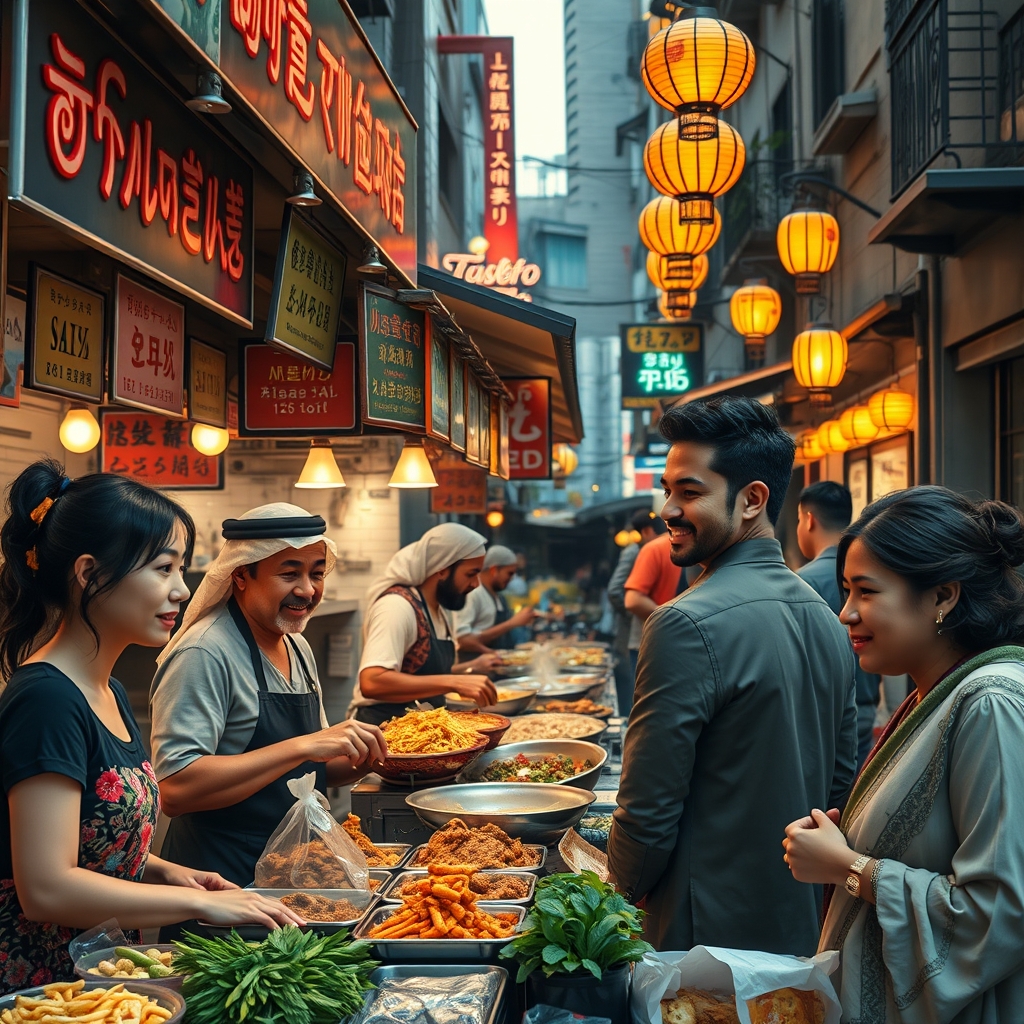
Exploring the World One Bite at a Time: A Food Lover’s Guide to Culinary Tours, Street Food, and Gourmet Innovations
Imagine standing in a bustling market in Bangkok, the air thick with the aroma of sizzling satay and fragrant lemongrass. A local vendor hands you a steaming bowl of tom yum soup, its spicy tang awakening your senses. This is the magic of a culinary tour—where every bite tells a story, and every meal is an adventure. Whether you’re a seasoned traveler or an armchair foodie, the world of culinary exploration offers endless opportunities to savor, learn, and indulge. From hidden street food gems to high-tech dining experiences, let’s embark on a journey that celebrates the art of eating well.
The Rise of Culinary Tourism: Why Food is the Ultimate Travel Companion
Culinary tourism isn’t just about eating—it’s about immersing yourself in a culture through its flavors. Over the past decade, this niche has exploded into a global phenomenon, with travelers prioritizing food experiences as much as landmarks. According to the World Food Travel Association, nearly 50% of tourists now plan trips around food and beverage activities. Why? Because food is universal, yet deeply personal. It connects us to history, tradition, and the people who prepare it.
From cooking classes in Tuscany to street food chronicles in Mexico City, culinary tours offer a hands-on way to engage with a destination. They’re not just for gourmands, either. Budget-conscious travelers can dive into budget-friendly eats in cities like Hanoi or Istanbul, where a few dollars buys a feast. Meanwhile, luxury seekers can indulge in Michelin-starred tasting menus or private farm-to-table dinners in the countryside.
How to Choose the Perfect Culinary Tour for Your Taste
Not all culinary tours are created equal. Some focus on street food, while others highlight fine dining or regional specialties. To find the right fit, consider what excites you most. Are you drawn to the chaos of night markets, or do you prefer the elegance of a wine-paired dinner? Research tour operators that specialize in your interests—many offer small-group experiences with local guides who share insider tips.
For example, a plant-based delights tour in Berlin might introduce you to vegan currywurst or dairy-free pastries, while a seafood-focused trip to Lisbon could include a visit to a family-run tuna cannery. Don’t forget to read reviews and check itineraries for authenticity. The best tours balance education with enjoyment, leaving you with both full stomachs and lasting memories.
Restaurant Recommendations: Where to Eat Like a Local (Without the Tourist Traps)
One of the biggest challenges for travelers is finding restaurants that offer genuine local experiences. Skip the overpriced cafes near major attractions and seek out spots where locals dine. Apps like Google Maps and Yelp can help, but nothing beats word-of-mouth recommendations. Ask your tour guide, hotel staff, or even a friendly shopkeeper for their favorite haunts.
In cities like Tokyo, tiny izakayas serve melt-in-your-mouth yakitori, while in Naples, family-run pizzerias fire up pies with centuries-old techniques. For those craving innovation, restaurant tech & trends are reshaping dining. From AI-driven menus to robotic chefs, technology is enhancing (not replacing) the human touch. In Singapore, for instance, hawker stalls now accept digital payments, making it easier than ever to sample budget-friendly eats like chili crab or Hainanese chicken rice.
Sweet Avenue: A Global Tour of Bakery & Dessert Wonders
No culinary journey is complete without a detour down Sweet Avenue. From Parisian patisseries to Tokyo’s mochi shops, desserts are a delicious way to explore a culture’s sweet tooth. In Vienna, sachertorte—a rich chocolate cake layered with apricot jam—is a must-try, while in Istanbul, baklava oozes with honey and pistachios. For something truly unique, seek out lesser-known treats like Malaysia’s kuih (colorful steamed cakes) or Portugal’s pastéis de nata (custard tarts).
If you’re a home baker, bring these flavors into your kitchen. Many culinary tours include workshops where you can learn to recreate these sweets. Alternatively, experiment with local ingredients—like matcha or rosewater—to add a global twist to your gourmet home cooking repertoire.
From Street Food to Gourmet: The Evolution of Global Cuisine
Street food has long been the heart of culinary culture, offering affordable, flavorful bites that reflect a region’s history. In Thailand, pad thai was born from a government campaign to promote nationalism through noodles. In Mexico, tacos al pastor trace their roots to Lebanese immigrants who brought shawarma to the streets of Mexico City. These dishes aren’t just meals—they’re edible stories.
Today, street food is gaining recognition in high-end dining. Chefs like David Chang and René Redzepi have elevated humble ingredients into gourmet masterpieces. Meanwhile, organic & sustainable food movements are influencing street vendors to source locally and reduce waste. In Copenhagen, for example, food markets prioritize zero-waste practices, offering everything from fermented vegetables to upcycled snacks.
Kitchen Gadget Reviews: Tools to Elevate Your Home Cooking
You don’t need a professional kitchen to create restaurant-quality meals at home. The right tools can make all the difference, whether you’re whipping up a quick weeknight dinner or hosting a dinner party. For gourmet home cooking enthusiasts, gadgets like immersion blenders, sous vide machines, and cast-iron skillets are game-changers. A high-quality knife, for instance, can transform chopping from a chore into a pleasure.
If you’re curious about the latest innovations, look for kitchen gadget reviews that highlight smart appliances. Devices like the Instant Pot or air fryer save time without sacrificing flavor, while apps like SideChef offer step-by-step recipes tailored to your tools. For those passionate about food styling & photography, invest in a good camera or smartphone lens to capture your creations. After all, a beautifully plated dish is almost as satisfying as eating it.
Sustainable Eating: How to Enjoy Global Flavors Responsibly
The joy of culinary exploration comes with a responsibility to protect the planet. Organic & sustainable food practices ensure that future generations can enjoy the same flavors we do today. Start by supporting restaurants and markets that prioritize local, seasonal ingredients. In Italy, farm-to-table dining is a way of life, with menus changing daily based on what’s fresh. In Japan, sushi chefs adhere to strict sustainability guidelines to preserve fish populations.
At home, reduce food waste by planning meals, composting scraps, and getting creative with leftovers. Try a “root-to-stem” approach, using vegetable peels in stocks or carrot tops in pesto. For travelers, seek out eco-friendly tours that partner with local farmers or donate meals to communities in need. Every small choice adds up to a bigger impact—one delicious bite at a time.
As you plan your next adventure or experiment in the kitchen, remember that food is more than sustenance. It’s a language, a tradition, and a bridge between cultures. Whether you’re savoring a bowl of pho in Hanoi, mastering the art of sourdough at home, or snapping the perfect shot of your avocado toast, every experience deepens your connection to the world. So go ahead—take that first bite, and let your taste buds lead the way.
