From Street Eats to Sustainable Feasts: A Food Lover’s Guide to Modern Culinary Experiences
Imagine biting into a crispy empanada on a bustling Buenos Aires street, the flaky pastry giving way to a burst of spiced beef, or savoring a delicate matcha-infused mochi in a quiet Kyoto café, where tradition meets innovation. These moments aren’t just meals—they’re memories in the making. Whether you’re a seasoned traveler, a home chef, or someone who simply lives to eat, the world of culinary tourism offers endless opportunities to explore flavors, cultures, and trends that redefine how we experience food. From hidden street food gems to cutting-edge restaurant tech, this guide will take you on a journey through the most exciting and accessible ways to indulge your passion for food.
The Rise of Culinary Tours: More Than Just a Meal
A culinary tour is no longer just about ticking off Michelin-starred restaurants or snapping photos of Instagrammable dishes. Today’s food-focused travelers seek authentic, immersive experiences that connect them with local communities, traditions, and stories. Think of it as a backstage pass to a city’s soul, where every bite tells a tale. For example, in Lisbon, you might join a pastel de nata baking class with a third-generation baker, or in Hanoi, navigate the labyrinthine alleys of the Old Quarter with a local guide who knows the best pho stalls by heart.
What sets modern culinary tours apart is their focus on personalization. Whether you’re a vegan, a gluten-free traveler, or a die-hard carnivore, there’s a tour tailored to your tastes. Companies like Devour Tours and Eatwith have mastered the art of curating experiences that go beyond the plate, offering everything from market visits to hands-on cooking workshops. The best part? You don’t need to break the bank—many tours are designed to be budget-friendly eats, ensuring that incredible food is accessible to everyone.
Restaurant Recommendations: Where to Find the Best Bites
With so many dining options available, choosing where to eat can feel overwhelming. That’s where expert restaurant recommendations come in handy. Whether you’re hunting for a romantic rooftop dinner in Barcelona or a no-frills street food stall in Bangkok, knowing where the locals go can make all the difference. Start by seeking out places that prioritize fresh, seasonal ingredients—these spots often deliver the most authentic and flavorful experiences.
For those who love a good food story, look for restaurants that champion organic and sustainable food practices. Farm-to-table dining isn’t just a trend; it’s a movement that’s here to stay. In Copenhagen, restaurants like Noma have redefined what it means to eat sustainably, while in Portland, Oregon, eateries like Farm Spirit offer entirely plant-based menus that celebrate local produce. If you’re traveling on a budget, don’t overlook food markets—places like Borough Market in London or Mercado de San Telmo in Buenos Aires are treasure troves of affordable, high-quality bites.
Sweet Avenue: A Dessert Lover’s Paradise
No culinary journey is complete without a detour down Sweet Avenue. From artisanal gelato in Florence to decadent churros in Mexico City, desserts have a way of capturing the essence of a place. In Tokyo, you’ll find patisseries that blend French techniques with Japanese precision, creating pastries that are almost too beautiful to eat. Meanwhile, in New York City, classic bakeries like Dominique Ansel Bakery continue to innovate with creations like the Cronut, a croissant-donut hybrid that took the world by storm.
For those who prefer to recreate these sweet delights at home, gourmet home cooking resources abound. YouTube channels, cookbooks, and online courses make it easier than ever to master the art of pastry, whether you’re whipping up a batch of macarons or perfecting your sourdough bread. And let’s not forget the joy of baking with seasonal ingredients—imagine a warm apple pie made with locally sourced fruit or a rich chocolate tart infused with fresh mint from your garden.
Street Food Chronicles: The Heartbeat of a City
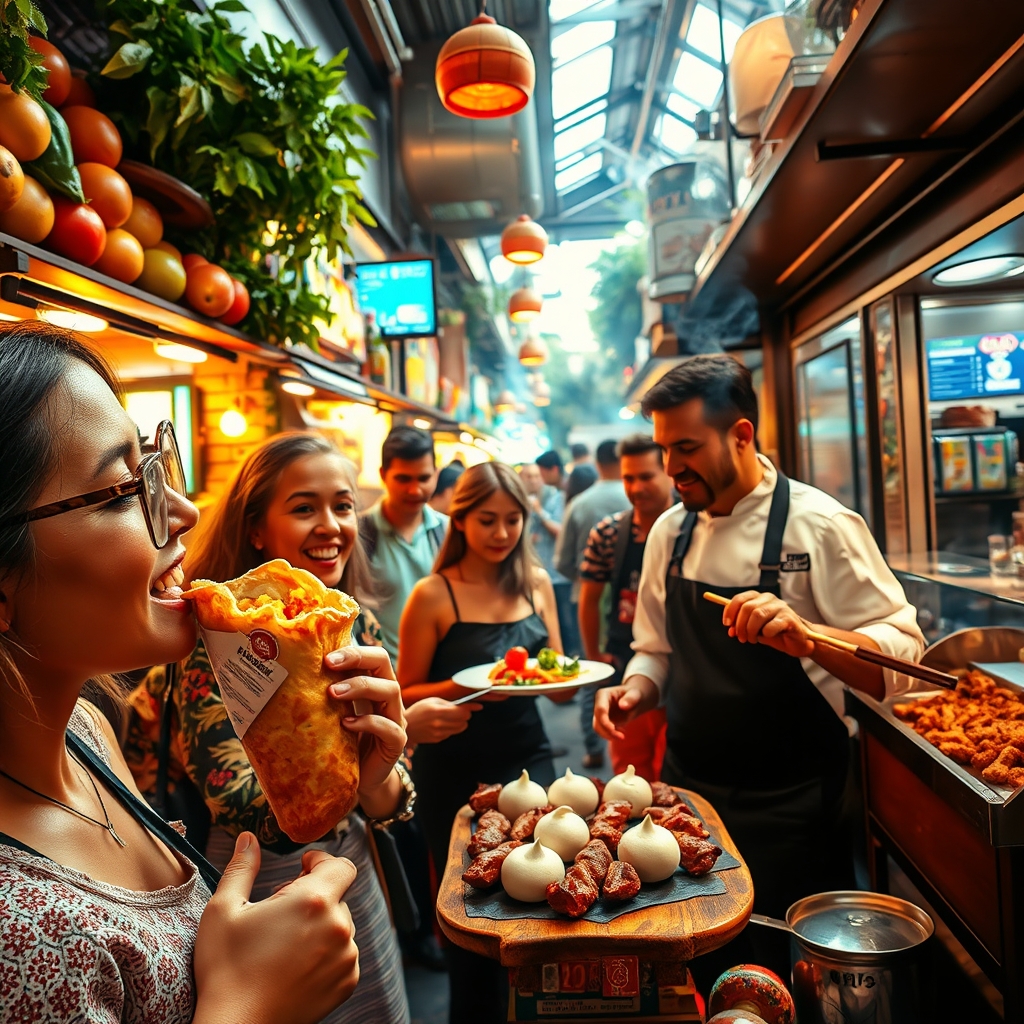
If you want to truly understand a culture, eat its street food. These humble, often handheld meals are where you’ll find the most vibrant flavors and the most genuine interactions. In Istanbul, the sizzle of köfte on a grill and the scent of simmering tavuk suyu (chicken soup) draw crowds to street vendors, while in Mumbai, the vada pav—a spicy potato fritter sandwiched in a bun—is a beloved snack that fuels the city’s hustle and bustle.
But street food isn’t just about the food itself; it’s about the stories behind it. In Oaxaca, Mexico, you might meet a vendor who has been making tlayudas—a crispy, oversized tortilla topped with beans, cheese, and meat—for decades, using the same recipe passed down through generations. These encounters are what make culinary tourism so special. To make the most of your street food adventures, follow a few simple rules: go where the locals go, be adventurous but cautious, and always ask questions. Vendors are often proud to share the history and techniques behind their dishes.
Plant-Based Delights: The Future of Dining
The rise of plant-based delights is one of the most exciting trends in modern dining. What was once a niche market has exploded into a global movement, with restaurants and home cooks alike embracing the creativity and sustainability of plant-forward cuisine. In Berlin, spots like 1990 Vegan Living offer Vietnamese-inspired dishes that are so flavorful, you won’t miss the meat. Meanwhile, in Los Angeles, Crossroads Kitchen serves up Mediterranean-inspired vegan dishes that have even the most devoted carnivores coming back for seconds.
For those cooking at home, the world of plant-based delights is full of possibilities. From jackfruit tacos that mimic pulled pork to cashew-based cheeses that rival the real thing, the options are endless. The key is to focus on whole, nutrient-dense ingredients and let the natural flavors shine. And don’t be afraid to experiment—some of the best plant-based dishes come from happy accidents in the kitchen. If you’re new to plant-based cooking, start with simple swaps, like using lentils instead of ground beef in your favorite chili recipe, and build from there.
Kitchen Gadget Reviews: Tools to Elevate Your Cooking
Every great chef knows that the right tools can make all the difference in the kitchen. Whether you’re a novice cook or a seasoned pro, investing in a few key kitchen gadgets can streamline your cooking process and open up new culinary possibilities. Take the Instant Pot, for example—a multi-cooker that has become a staple in kitchens around the world. It’s perfect for busy weeknights when you want to whip up a hearty stew or a batch of perfectly cooked rice with minimal effort.
For those who love baking, a stand mixer is a game-changer, making it easy to knead dough, whip meringues, and cream butter and sugar. And let’s not forget the humble air fryer, which has revolutionized the way we enjoy fried foods by delivering crispy results with a fraction of the oil. When choosing kitchen gadgets, look for tools that are versatile, durable, and easy to clean. Read reviews, watch demo videos, and consider your cooking style—after all, the best gadget is the one you’ll actually use.
Food Styling & Photography: Capturing the Perfect Bite
In the age of social media, food styling and photography have become essential skills for anyone who loves to share their culinary creations. A beautifully plated dish can make all the difference in how your food is perceived, whether you’re posting on Instagram or sharing a recipe on your blog. Start by paying attention to color and contrast—bright, vibrant ingredients like red peppers, green herbs, and golden-brown crusts can make a dish pop. Use natural light whenever possible, and experiment with angles to find the most flattering perspective.
Props can also enhance your food photos. A rustic wooden board, a vintage linen napkin, or a sprig of fresh herbs can add texture and depth to your images. And don’t forget the power of editing—apps like Lightroom and VSCO can help you adjust brightness, contrast, and saturation to make your photos truly shine. The goal isn’t to create something overly staged but to capture the essence of the dish in a way that makes viewers hungry.
Restaurant Tech & Trends: What’s Next in Dining
The dining experience is evolving at a rapid pace, thanks to advancements in restaurant tech and trends. From AI-powered menus to robotic chefs, technology is transforming the way we eat out. In Singapore, restaurants like Hawker Chan use automated woks to churn out perfectly cooked char kway teow, while in the U.S., chains like Sweetgreen have embraced app-based ordering to streamline the dining process. These innovations aren’t just about efficiency—they’re about enhancing the customer experience and reducing food waste.
Sustainability is another major trend shaping the future of dining. More restaurants are adopting zero-waste practices, like composting food scraps or using biodegradable packaging. Some are even growing their own ingredients on-site, using hydroponic gardens to supply fresh herbs and vegetables. For diners, this means more transparency about where their food comes from and how it’s prepared. As a consumer, you can support these efforts by choosing restaurants that prioritize sustainability and by being mindful of your own food waste at home.
At the end of the day, food is about more than just sustenance—it’s about connection, culture, and creativity. Whether you’re exploring the street food stalls of Bangkok, mastering gourmet home cooking in your own kitchen, or snapping the perfect photo of your latest plant-based delight, every bite is an opportunity to learn, grow, and savor. So go ahead, take that first step. Book a culinary tour, try a new recipe, or simply visit that local bakery you’ve been meaning to check out. The world of flavors is waiting, and it’s more exciting than ever.
