The Smart Food Traveler’s 2026 Playbook: How to Eat, Cook, and Capture the World’s Best Flavors on Any Budget
Planning a food-focused trip in 2026 means more than just picking restaurants—it’s about curating experiences that match your taste, budget, and values. Whether you’re hunting for culinary tour & restaurant recommendations, documenting street food chronicles, or mastering gourmet home cooking with the latest kitchen gadgets, this guide will show you how to eat like a local, cook like a chef, and capture it all like a pro. You’ll learn where to find the best plant-based delights, how to navigate restaurant tech trends, and even how to style and photograph your meals for maximum impact.
Key Takeaways
- Discover how to blend culinary tourism with budget-friendly eats without sacrificing quality.
- Learn which kitchen gadgets and restaurant tech innovations are worth your investment in 2026.
- Master food styling & photography techniques to make your meals look as good as they taste.
- Explore organic & sustainable food options that align with your values and enhance your travel experience.
How Can You Eat Like a Local Without Breaking the Bank?
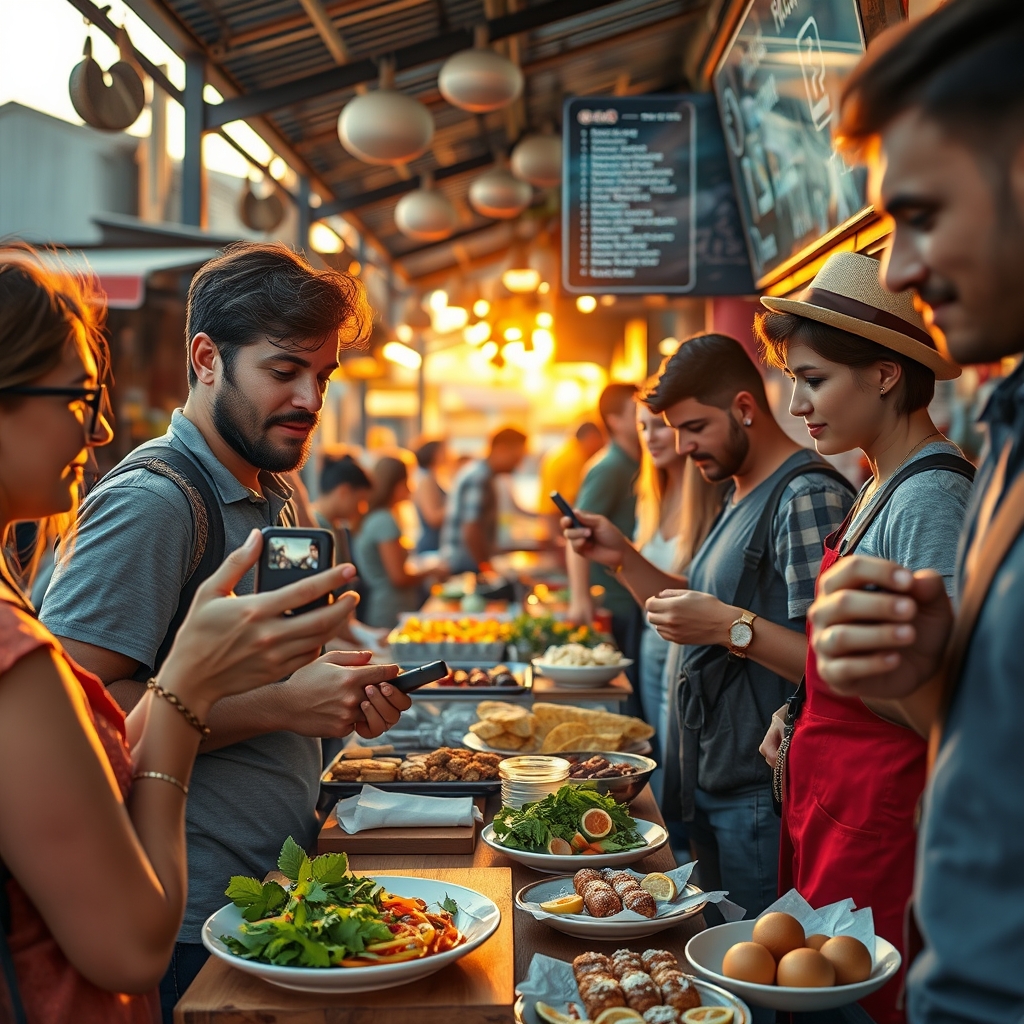
Culinary tourism doesn’t have to mean splurging on Michelin-starred meals every night. In 2026, the smartest food travelers are blending high-end experiences with budget-friendly eats to stretch their dollars further. Start by mapping out a mix of street food markets, local bakeries, and mid-range restaurants that offer tasting menus or lunch specials. For example, cities like Bangkok, Mexico City, and Lisbon are renowned for their vibrant street food scenes, where a full meal can cost less than $5 USD.
Use apps like Too Good To Go or Olio to snag discounted meals from restaurants and bakeries at the end of the day. These platforms not only save you money but also reduce food waste, aligning with the growing demand for organic & sustainable food practices. A 2025 report by the Food and Agriculture Organization (FAO) found that 30% of global food production is lost or wasted annually, making these apps a practical solution for both travelers and locals.
What Restaurant Tech Trends Should You Watch in 2026?
From AI-powered menus to robotic chefs, restaurant tech & trends are reshaping how we dine out. In 2026, expect to see more restaurants using augmented reality (AR) to enhance the dining experience. For instance, some high-end eateries now offer AR menus that let you visualize dishes in 3D before ordering, reducing food waste and improving customer satisfaction.
Another trend to watch is the rise of plant-based delights in mainstream dining. With advancements in food science, restaurants are now able to create plant-based dishes that mimic the taste and texture of meat, making it easier for travelers to stick to their dietary preferences. Brands like Impossible Foods and Beyond Meat are expanding globally, so keep an eye out for their products in local markets and restaurants.
How Can You Use Tech to Find the Best Hidden Gems?
Gone are the days of relying solely on guidebooks. In 2026, apps like The Infatuation, Eater, and Google Maps’ “Local Guides” feature are your best friends for uncovering hidden culinary gems. These platforms use crowdsourced reviews and AI algorithms to recommend restaurants based on your preferences, whether you’re craving sweet avenue desserts or a hearty gourmet home cooking experience.
For a more immersive experience, consider booking a culinary tour that includes behind-the-scenes access to local kitchens, farms, or food markets. Companies like Devour Tours and Eating Europe offer guided experiences that go beyond the typical tourist traps, giving you a deeper appreciation for the culture and history behind the food.
How Can You Cook Gourmet Meals at Home Like a Pro?
If you prefer to cook your own meals while traveling, 2026’s kitchen gadget reviews highlight a few must-have tools. The Instant Pot Pro Crisp and Ninja Foodi are top picks for their versatility, allowing you to pressure cook, air fry, and slow cook all in one device. These gadgets are especially useful for travelers staying in Airbnbs or extended-stay hotels with kitchen access.
For those interested in plant-based delights, the Vitamix E310 is a game-changer for making smoothies, nut milks, and even vegan cheeses. Pair these tools with locally sourced ingredients from farmers’ markets to create restaurant-quality meals at a fraction of the cost. Websites like Tasty and BBC Good Food offer easy-to-follow recipes tailored to these gadgets, so you can cook like a pro no matter where you are.
How Can You Style and Photograph Your Meals Like a Pro?
In the age of Instagram and TikTok, food styling & photography are essential skills for any food traveler. Start by investing in a good smartphone with a high-quality camera, like the iPhone 15 Pro or Samsung Galaxy S24 Ultra, which offer advanced photography features such as macro mode and night photography.
Lighting is key to capturing stunning food photos. Natural light is ideal, so try to shoot near a window or outdoors during the golden hour (early morning or late afternoon). If natural light isn’t available, use a portable LED light or a ring light to illuminate your dish evenly. Props like wooden cutting boards, linen napkins, and fresh herbs can add texture and depth to your photos without overpowering the main subject.
What Are the Best Angles and Compositions for Food Photography?
The most popular angles for food photography are the overhead shot (90 degrees), the 45-degree angle, and the straight-on shot. The overhead shot works well for flat lays, such as charcuterie boards or plated desserts, while the 45-degree angle is perfect for capturing the height and texture of dishes like burgers or cakes. The straight-on shot is ideal for drinks or layered desserts, like parfaits or cocktails.
Composition is just as important as angle. Use the rule of thirds to create a balanced image by placing your subject off-center. Leave some negative space to draw attention to the food, and avoid cluttering the frame with too many props. Apps like VSCO and Lightroom offer easy-to-use editing tools to enhance your photos further, adjusting brightness, contrast, and saturation to make your dishes pop.
As you plan your culinary adventures in 2026, remember that the best food experiences are the ones that align with your personal tastes and values. Whether you’re exploring street food chronicles in a bustling market, cooking a gourmet home-cooked meal with local ingredients, or capturing the perfect shot of your sweet avenue dessert, the key is to stay curious and open to new flavors. Start by picking one or two tips from this guide—like downloading a food waste app or investing in a versatile kitchen gadget—and build from there. The world of food is yours to explore, one bite at a time.
